The Asian goldenrod Plant Advantage: Maximizing Home and Office Appeal and Wellness
1
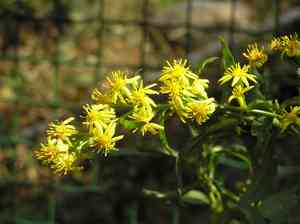
The Asian goldenrod is recognized for its brilliant golden-yellow blooms, which draw in pollinators.
2
This species needs little upkeep and can withstand dry conditions.
3
Asian goldenrod possesses characteristics capable of enhancing soil quality and biological diversity.
Why Select Asian Goldenrod for Your Garden?
Draws in Pollinators
A key characteristic of Asian goldenrod is its capacity to entice various pollinators. Bees, butterflies, and other helpful insects are attracted to its vibrant yellow blooms, which can significantly enhance the pollination of other plants in your garden. This natural process not only aids in the cultivation of fruits and vegetables but also supports local biodiversity.
Low Upkeep and Drought-Resistant
If you lead a busy life or reside in an area with water restrictions, you'll appreciate that Asian goldenrod is a low-maintenance plant requiring minimal irrigation once established. Its adaptability to diverse soil types and resilience to dry conditions makes it an excellent choice for all types of gardens.
Enhances Soil Quality
Another significant advantage of Asian goldenrod is its positive effect on soil health. The plant's root system helps prevent soil erosion and can loosen compacted soil, allowing water and nutrients to penetrate more effectively. Additionally, it can boost the soil's organic matter when its leaves decompose, enriching the earth for other plants.
Ecological Advantages of Asian Goldenrod
Biodiversity Improvement
Cultivating Asian goldenrod can lead to a noticeable increase in local biodiversity. The flowers offer nectar and pollen for various insects, and the plant itself can serve as a habitat for small creatures. This rise in biodiversity can foster a more balanced and resilient ecosystem in your garden.
Natural Pest Management
Another ecological benefit of Asian goldenrod is its role in natural pest control. By attracting predatory insects that consume common garden pests, Asian goldenrod can help reduce the need for chemical pesticides. This not only safeguards your plants but also creates a safer environment for beneficial organisms in the soil.
Cultivating Asian Goldenrod
Optimal Growing Conditions
Asian goldenrod thrives in well-drained soil with moderate moisture levels. While it can adapt to various soil types, it prefers sunny locations where it can receive at least six hours of daily sunlight. If planted in shaded areas, its growth may be hindered, and flowering could be less abundant.
Planting and Propagation
When planting Asian goldenrod, the ideal time is in early spring or late autumn. You can propagate it using seeds or cuttings. For seeds, sow them directly into the soil after the last frost has passed. If using cuttings, ensure they are taken from a healthy plant and placed in a nutrient-rich potting mix until roots develop.
Incorporating Asian Goldenrod in Garden Design
Creating Visual Appeal
The bright yellow flowers of Asian goldenrod make it a fantastic addition to any garden design. Use it to create vibrant borders, or plant it in clusters for a more impactful visual display. Its tall, slender stems can also add vertical interest to your garden layout.
Companion Planting
Asian goldenrod works well as a companion plant for many vegetables and herbs. Its ability to attract beneficial insects can protect nearby plants from pests, while its low-maintenance nature means it won't compete aggressively for resources. Consider planting Asian goldenrod near crops like tomatoes, peppers, and cucumbers to maximize its benefits.
Common Inquiries about Asian Goldenrod
Is Asian Goldenrod Invasive?
Asian goldenrod has a reputation for spreading rapidly, which can be both an asset and a drawback, depending on your garden objectives. To manage its growth, you can trim the plants after they flower or plant them in confined areas.
How Long Does Asian Goldenrod Bloom?
The blooming period of Asian goldenrod typically extends from late summer to early fall. This prolonged flowering time ensures that your garden remains colorful and appealing for a significant portion of the year, providing continuous benefits for pollinators and visual charm.



