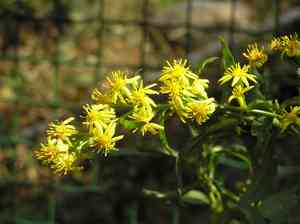
Asian goldenrod (Solidago decurrens)
Also known as: Decurrent Goldenrod
Asian goldenrod (Solidago decurrens), part of the sunflower family, originates from southern and eastern Asia. In contrast to its larger relatives, it produces clusters of small flowers during the summer and fall. Certain variants may shed their lower leaves during the blooming period.
In This Article
Attributes of Asian goldenrod
Lifespan
Perennial
Plant Type
Herb
Plant Height
35 cm to 1 m
Spread
N/A
Leaf Color
Green
Flower Size
6 mm to 9 mm
Flower Color
Yellow
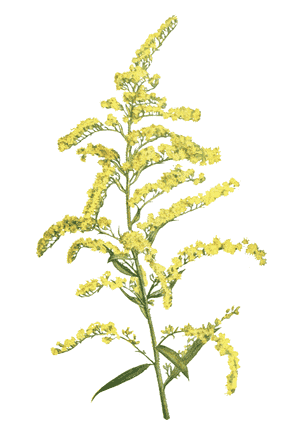
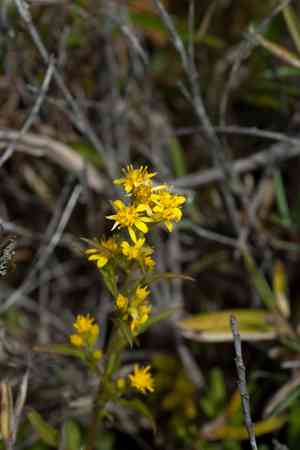
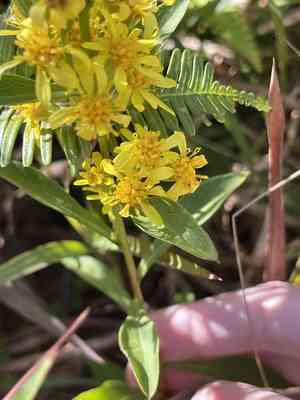
Images of Asian goldenrod
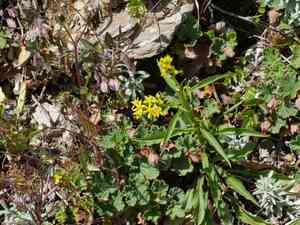
Quickly Identify Asian goldenrod
1
This plant can be identified by its bright yellow inflorescences, lanceolate leaves that are decurrent, meaning they extend down the stem, and its robust, upright growth habit.
Scientific Classification of Asian goldenrod
Phylum
Vascular plants
Class
Dicotyledons
Order
Asters bellflowers fanflowers and allies
Family
Daisy
Genus
Goldenrods
Species
Asian goldenrod
Planting and Growing of Asian goldenrod
Care Difficulty
Easy
Watering Schedule
Every 2 days
Sunlight Requirements
Full sun
Sunshine Duration
4-6 hours
Ideal Temperature
60-75℉
Soil Type
Potting Mix, Peat Mix
Soil pH
6-7.5
Fertilizer Type
Balanced
Pruning Season
Spring, Summer
Pruning Area
Branches, Leaves
Pruning Frequency
2 times a year
Repotting Season
Spring
Pot Type
Plastic, Ceramic
 How to Water Asian goldenrod?
When watering Solidago decurrens, aim to provide approximately 250 milliliters of water per session. This ensures the soil remains evenly moist but not waterlogged. The principle to follow is to water until the top inch of soil feels damp but not soggy. Avoid soaking the soil entirely, as this can lead to root rot.
What are the symptoms of an underwatered Asian goldenrod?
›
What should I do if my Asian goldenrod is not getting enough water?
›
What are the symptoms of an overwatered Asian goldenrod?
›
How to save an overwatered Asian goldenrod?
›
 What Are the Sunlight Requirements for Asian goldenrod?
For optimal growth, Solidago decurrens benefits from partial to full sunlight, promoting vibrant flowers and robust foliage. The right lighting encourages efficient photosynthesis, sustains growth, and enhances its ornamental value by improving bloom quality.
More About Sunlight Requirements Techniques→
How much sunlight does Solidago decurrens need daily?
›
What kind of location is ideal for growing Solidago decurrens?
›
How do you ensure consistent light exposure for Solidago decurrens?
›
 What Is the Ideal Temperature Range for Asian goldenrod?
The ideal temperature range for Solidago decurrens is between 60 to 75 degrees Fahrenheit. This temperature range provides the best conditions for growth and flowering, allowing the plant to perform key physiological processes efficiently.
 What Soil is Best for Asian goldenrod?
Solidago decurrens thrives in soils that can retain moisture without becoming waterlogged. Adequate moisture aids in nutrient absorption, promoting healthy growth and vibrant blooms, particularly in the warm growth season. Essential for avoiding root rot, well-drained soil ensures that water does not pool around the roots, which is crucial as Solidago decurrens is prone to diseases in overly saturated soils. Rich in organic matter, the soil should supply sufficient nutrients to support the robust growth of Solidago decurrens. This helps in achieving strong stems and prolific flowering.
 How to Fertilize Asian goldenrod?
Solidago decurrens typically requires a balanced nutrient supply. When using liquid fertilizers, a dilution to half the strength recommended for houseplants is often optimal. For solid fertilization, employing a balanced garden fertilizer at about one tablespoon per plant ensures sufficient nutrient availability. More doesn't always equal better with fertilization, as this can lead to nutrient imbalances or even plant stress.
 How to Prune Asian goldenrod?
Begin by removing any dead or diseased stems to prevent the spread of pests and diseases. Trim back overgrown branches to maintain a desirable shape. Make angle cuts just above a leaf node to encourage new branches. This will help maintain the plant's health and promote bushy growth. In spring, focus on removing old flower stalks and thinning out congested areas. Summer pruning helps direct energy towards main stems and manage height. Regular attention during these seasons boosts flowering and overall plant robustness.
More About Pruning Techniques→
 How to Propagate Asian goldenrod plant?
1
Start by filling a seed tray with seed-starting mix. Scatter the seeds of Solidago decurrens on the surface, then lightly cover them with soil. Water gently using a mist setting to keep the soil moist.
2
Select a healthy stem from Solidago decurrens and cut a 4-6 inch piece just below a node using pruning shears. Remove the lower leaves, leaving a few at the top, and dip the cut end in rooting hormone.
3
Lift the mature Solidago decurrens with a garden fork, taking care to preserve the root ball. Divide the plant into smaller sections ensuring each has roots, then replant in desired locations.
 How to Repot Asian goldenrod plant?
1
Solidago decurrens shows signs of needing a new pot when its roots start growing out of the drainage holes, or if the plant becomes top-heavy. Another signal is when the soil seems to dry out more quickly than usual. Ideally, repot in early spring or summer when the plant’s growth phase kicks in, ensuring minimal stress.
2
Select a pot that is one to two inches larger in diameter than the current one. It should have sufficient drainage holes, which prevent water from pooling at the bottom and causing root rot. Opting for a pot made from breathable material like terracotta can also help in regulating soil moisture levels.
3
Opt for a well-draining, loamy soil mix, as it provides excellent aeration and appropriate moisture retention. Incorporating organic matter like compost enhances nutrient content, thus promoting healthier and more vigorous growth. The right soil ensures Solidago decurrens maintains robust root structure, vital for its lush blooms.
Learn More About Asian goldenrod Diseases
Anthracnose
Bacterial Leaf Spot
Bacterial Wilt
Chemical Injury
Crown Gall
Cyst Nematode
Damping-off
Downy Mildew
Drought Stress
Fusarium Wilt
Gray Mold
Leaf Spot
Mosaic
Nutrient Deficiency
Nutrient Toxicity
Powdery Mildew
Root Rot
Root-knot Nematode
Rusts
Sooty Mold
Spider Mites
Temperature Stress
Thrips Damage
White Mold



