How to Prune Asian goldenrod?
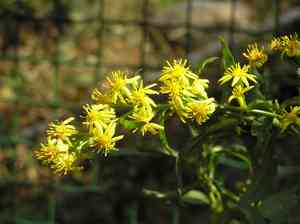
A robust perennial recognized for its vibrant, feathery flower formations, asian goldenrod thrives with consistent trimming to foster dense foliage and plentiful blossoms. Trim asian goldenrod in the initial part of spring to eliminate deceased or compromised stalks and sculpt the plant. Throughout the summer period, remove faded flowers to encourage ongoing flowering. Refrain from pruning late in the season, as this can stimulate fresh development vulnerable to frost harm. Trimming not only improves asian goldenrod's aesthetic charm but also bolsters plant well-being by improving air movement.
What Are the Benefits of Pruning Asian Goldenrod?
What Are the Benefits of Pruning Asian Goldenrod?
Trimming asian goldenrod promotes robust development and maintains its form. By eliminating overgrown or lifeless stems, plants direct energy towards producing strong foliage and blossoms, remaining visually appealing and well-proportioned.
What Is the Best Time for Pruning Asian Goldenrod?
What Is the Best Time for Pruning Asian Goldenrod?
From late spring to early summer, asian goldenrod enters an active growth phase after winter dormancy. Pruning at this time allows for shaping the plant and removing any damaged or dead stems without significantly affecting its vitality. It also ensures that pruning does not interfere with the plant's natural blooming cycle, which typically occurs in late summer or early fall. By pruning before the blooming period, gardeners ensure asian goldenrod has sufficient time to recover and produce an optimal floral display. It also serves as a preventative measure to maintain the plant's health by improving air circulation, which can reduce the likelihood of fungal diseases favored by spring dampness.
What Tools Do I Need to Prune Asian Goldenrod?
Bypass pruners
Bypass pruners are recommended for asian goldenrod as they create clean cuts and are better for the plant's health. Asian goldenrod's stems are not excessively thick, making these pruners ideal for trimming and shaping the plant without causing harm.
Gardening gloves
Gardening gloves protect hands from scratches and ensure a better grip on tools when pruning asian goldenrod, thereby preventing accidents.
Pruning saw
For older, woodier stems of asian goldenrod that bypass pruners cannot manage, a small pruning saw can be used to make clean cuts without tearing the stems.
Long-handled loppers
If asian goldenrod has grown particularly tall or dense, long-handled loppers will be useful for reaching into the plant and making precise cuts in harder-to-access areas.
How to Prune Asian Goldenrod
Clean pruning tools
Sanitize your pruning shears with a bleach or alcohol solution to prevent disease spread while trimming asian goldenrod.
Remove diseased leaves
Carefully inspect asian goldenrod for signs of diseased leaves, indicated by unusual spots or discoloration, and prune them at the base without tearing the plant.
Remove withered leaves
Identify and prune any withered or dead leaves on asian goldenrod, cutting them off at the base to encourage healthy growth and airflow within the plant.
Remove diseased stems
Cut back any diseased stems of asian goldenrod, ensuring the entire affected area is removed to prevent disease spread to healthy parts.
Dispose of trimmed material
Dispose of all diseased and dead material from asian goldenrod in a way that prevents reinfection, avoiding compost that might return pathogens to your garden.
Common Pruning Mistakes with Asian Goldenrod
Over pruning
Removing too much foliage can stress asian goldenrod, reducing its vigor and flowering potential. Aim for moderation.
Blunt tools
Using dull or dirty pruning tools can result in jagged cuts, which may lead to infection and poor healing on asian goldenrod.
Uniform cutting
Cutting asian goldenrod stems to the same height can lead to unnatural growth patterns. Vary the cutting heights for a more natural appearance.
Neglecting deadheading
Failing to remove spent flowers (deadheading) can prevent asian goldenrod from producing new blooms and can lead to self-seeding.
Ignoring plant shape
Not considering the natural shape of asian goldenrod may lead to pruning that results in an unbalanced or undesirable form.
Common Pruning Tips for Asian Goldenrod
Selective pruning
Prune asian goldenrod selectively, removing only dead or weak stems to maintain plant health and encourage air circulation.
Sharp clean tools
Always use sharp and clean tools to ensure precise and clean cuts, helping asian goldenrod recover swiftly from pruning.
Gradual thickness reduction
Gradually reduce stem thickness to prevent cutting into the main structural branches of asian goldenrod, which promotes a natural shape.
Post bloom pruning
After asian goldenrod has finished flowering, prune to shape the plant and help direct energy into strengthening rather than seeding.
Healthy growth encouragement
Trim asian goldenrod in a way that encourages new growth towards the outside of the plant, ensuring ample sunlight penetration and air flow.



