How to Transplant Forest nightshade?
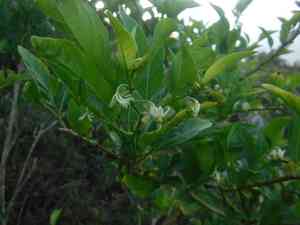
Relocate forest nightshade during the pleasant period of mid to late spring, when its development is robust. Select a spot receiving dappled sunlight and possessing soil that drains effectively. Should your forest nightshade appear stressed, amend the soil with compost to encourage its root system.
What Preparations are Needed Before Transplanting Forest Nightshade?
What is the Ideal Time for Transplanting Forest Nightshade?
The optimal period for moving forest nightshade spans from early spring through late spring. This timeframe provides moderate temperatures and gentle sunlight, fostering an excellent environment for root development. Transplanting forest nightshade during this season capitalizes on its growth surge, ensuring strong establishment and vigorous presence in your garden.
How Much Space Should You Leave Between Forest Nightshade Plants?
Hello, gardening enthusiast! When preparing to introduce forest nightshade to your garden, remember to provide ample room. Spacing them approximately 24-36 inches (60-90 cm) apart will guarantee sufficient area for them to thrive!
What is the Best Soil Mix for Forest Nightshade Transplanting?
To prepare the ground for forest nightshade, consider creating a comfortable bed. An ideal soil is well-draining yet retains moisture without becoming waterlogged. Boost their growth by incorporating a balanced, slow-release fertilizer. This will supply your forest nightshade with the essential nutrients for robust development!
Where Should You Relocate Your Forest Nightshade?
Sunlight is crucial for forest nightshade! Locate a spot in your garden that receives partial to full sun exposure. This balance of light and shade ensures forest nightshade obtains the precise warmth and brightness required for healthy growth.
What Equipments Should You Prepare Before Transplantation Forest Nightshade?
Gardening Gloves
To safeguard your hands while handling soil and the plant.
Shovel or Spade
For digging up the plant and preparing its new planting site.
Garden Fork
To loosen the soil around the root ball, if necessary.
Watering Can or Hose
To hydrate the plant before and after its relocation.
Pruning Shears
To trim any damaged roots or foliage.
Wheelbarrow or Garden Cart
To move the plant to its intended new spot.
Measuring Tape
To determine proper distances for planting holes.
Trowel
For detailed work or smaller plants during transplanting.
Stakes or Supports
If the plant is top-heavy or requires additional stability in its new location.
How Do You Remove Forest Nightshade from the Soil?
How Do You Remove Forest Nightshade from the Soil?
From Ground: First, water the forest nightshade to moisten the soil. Next, dig a wide trench around the plant using a shovel or spade, ensuring the plant's root ball stays intact. Carefully work the spade beneath the root ball to lift the plant from its original position.From Pot: Water the forest nightshade to facilitate easier removal. Tilt the pot sideways and gently tap the bottom to loosen the soil. Gradually ease the plant out by supporting the stem's base, taking care not to pull it forcefully.From Seedling Tray: Water the tray to dampen the soil, which helps prevent root damage. Use a trowel or your fingers to gently lift the plant from its compartment, ensuring the root system remains whole.
Step-by-Step Guide for Transplanting Forest Nightshade
Preparation
Gather all necessary tools and thoroughly water the forest nightshade before beginning the transplanting process to prevent shock and simplify removal from its current spot.
Root Ball
Carefully dig around the forest nightshade to create a wide trench. Use your shovel or spade to lift the root ball from the ground, ensuring minimal root disturbance.
Transportation
Place the plant onto a wheelbarrow or garden cart, making sure it is stable for transport to the new location without excessive swaying or tipping.
Hole Preparation
Dig a hole in the new location that is twice the width and the same depth as the root ball. Amend the excavated soil with compost if it lacks organic matter, considering previously covered sections of soil and fertilizer.
Placement
Position the forest nightshade in the center of the new hole. Ensure it stands upright and the top of the root ball is level with the surrounding ground surface.
Backfilling
Fill in around the root ball with soil, gently tamping to eliminate air pockets. Level the soil around the plant, forming a slight depression around the base to hold water.
Staking
Use stakes or supports if the forest nightshade needs them to remain upright and stable after transplanting. Securely tie the plant to the stakes in non-abrasive ways, allowing some room for growth.
Watering
Water the forest nightshade generously after planting to help settle the soil and provide moisture for the roots to recover from transplant stress.
Observation
Over the subsequent days, monitor your forest nightshade, looking for signs of stress such as wilted leaves or stem weakness and respond appropriately with care.
How Do You Care For Forest Nightshade After Transplanting?
Mulching
Apply a layer of organic mulch around the base of forest nightshade to help retain moisture, regulate soil temperature, and suppress weeds.
Pruning
If any branches or leaves were damaged during the transplant, use pruning shears to trim them neatly, which can encourage healthy new growth.
Regular Checks
Frequently check the soil moisture around forest nightshade and water when the top inch feels dry to the touch, adjusting for rainfall and temperature.
Support Adjustments
Check the supports or stakes and adjust them as needed while the plant establishes itself in the new location, allowing for growth and avoiding constriction of the stem.
Observation for Pests
Keep an eye out for pests and diseases, as stressed plants like recently transplanted forest nightshade may be more susceptible. Treat any problems early to prevent them from escalating.
Troubleshooting Common Issues with Forest Nightshade Transplantation.
What's the best time to transplant forest nightshade?
Aim for transplanting forest nightshade from mid to late spring, to give it enough time to establish before the heat of summer.
How far apart should I space forest nightshade when transplanting?
Space your forest nightshade about 24 to 36 inches (60 to 90 cm) apart for optimal growth and airflow.
Can forest nightshade handle transplanting in full sun?
Yes, forest nightshade thrives in full sun. Just ensure it’s well-watered after transplanting to prevent stress.
What soil type is best for transplanting forest nightshade?
Well-draining soil rich in organic matter is ideal for transplanting forest nightshade. Avoid waterlogged or very dry soils.
How deep should I plant forest nightshade when transplanting?
The root ball of forest nightshade should be planted at the same depth it was growing at previously.
Why are my transplanted forest nightshade plants wilting?
Wilting post-transplant is common due to root disturbance; ensure regular watering and avoid direct sunlight initially.
What watering schedule should I follow after transplanting forest nightshade?
Water forest nightshade generously after transplanting and then maintain consistent moisture without overwatering.
Should I fertilize forest nightshade right after transplanting?
It's recommended to wait a few weeks before fertilizing to avoid burning the roots of the forest nightshade.
How do I know if forest nightshade needs more or less sun after transplanting?
Observe your forest nightshade; if it's leggy or pale, it may need more sun. Scorching or wilting suggests too much sun.
What should I do if my forest nightshade isn't growing after transplanting?
Ensure forest nightshade is in the right environment and receiving adequate water and nutrients. Patience is key—it may take time to adapt.



