How Much Sunlight Do Forest nightshade Need?
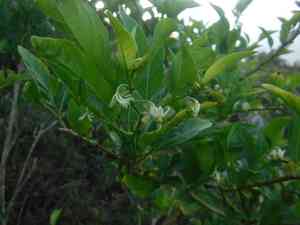
1
Forest nightshade flourishes with more than 6 hours of direct sun each day.
2
Inside, Forest nightshade greatly benefits from placement near south-facing windows.
3
To prevent scorching, slowly introduce Forest nightshade to brighter spots when relocating it.
Deciphering Forest nightshade's Light Requirements
Forest nightshade's Native Environment
In its natural setting, Forest nightshade typically thrives in areas with abundant sunlight. This suggests that when cultivated, providing ample illumination is crucial. The plant is known to flourish in bright conditions, which supports its vigorous and healthy development.
Photosynthesis and Growth Patterns
Photosynthesis is vital for Forest nightshade, as it is for all plant life. Greater light exposure enables it to generate more energy for growth. Forest nightshade has evolved to efficiently convert sunlight, fostering lush foliage and, under optimal conditions, vibrant blossoms.
Ideal Light Conditions for Forest nightshade
Direct vs. Indirect Illumination
Forest nightshade tolerates both direct and indirect sunlight. However, it performs best with at least six hours of direct sun daily. Nevertheless, during peak afternoon hours, some filtered light can help prevent leaf burn.
Seasonal Light Fluctuations
Seasonal shifts significantly impact light availability. Longer summer days mean more sun exposure, while shorter winter days and reduced light intensity might require supplemental lighting for your Forest nightshade. Repositioning the plant based on the season can greatly benefit its health.
Ensuring Proper Indoor Sunlight for Forest nightshade
Optimal Indoor Placement
For indoor Forest nightshade, placement is key. Position your plant near a bright, south-facing window to maximize daily sunlight. If a south-facing window isn't available, east or west-facing windows can also work, provided the plant receives sufficient exposure.
Utilizing Artificial Light Sources
When natural sunlight is insufficient, especially in winter or less sunny areas, artificial lighting can be essential. LED grow lights are an excellent choice for supplementing your indoor Forest nightshade's light needs. Place lights approximately 12-18 inches (30-46 cm) above the plant, providing illumination for about 12-14 hours daily.
Indicators of Excessive or Insufficient Sunlight for Forest nightshade
Symptoms of Sunburn or Scorching
Excessive direct sunlight can cause sunburn or scorching on Forest nightshade leaves. Look for yellow or brown spots, or dry, burnt-looking edges. This indicates the plant is receiving too much sun, and adjusting its location or providing some shade may be necessary.
Signs of Inadequate Sunlight
Conversely, if Forest nightshade lacks sufficient light, it will display different symptoms. These include elongated stems, smaller or paler leaves, and overall stunted growth. If your plant stretches towards light sources or appears leggy, it's time to increase its light exposure.
Tips for Modifying Forest nightshade's Sunlight Exposure
Gradual Exposure Adjustments
When acclimating Forest nightshade to new light conditions, proceed slowly. Abrupt changes in light intensity can stress the plant. Increase its light exposure by an hour daily over one to two weeks until it adapts without showing signs of distress.
Employing Shade Cloths or Screens
If your Forest nightshade is in a location with intense afternoon sun, using shade cloths or screens can prevent potential scorching. These tools diffuse light, providing the plant with a gentler environment that mimics dappled sunlight, thus preventing sunburn while still offering ample illumination.



