How to Prune Forest nightshade?
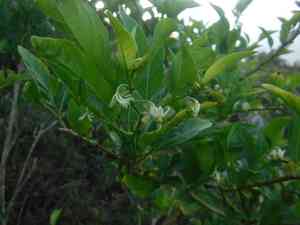
A tropical bush featuring vivid fruit, forest nightshade flourishes optimally with winter trimming, during its inactive phase. Trimming ought to concentrate on eliminating lifeless or ailing limbs, reducing thick foliage for improved light access, and molding the plant for structural soundness. Restrict trimming to one-third of the plant to avoid strain. Regular trimming sustains well-being, stimulates fruit production, and boosts aesthetic value. Sanitize implements to avert pathogen dissemination.
What Are the Benefits of Pruning Forest Nightshade?
What Are the Benefits of Pruning Forest Nightshade?
Trimming forest nightshade promotes robust development and maintains its form. Strategic cuts encourage fresh, healthy shoots, improving both appearance and plant vigor. Regular trimming keeps forest nightshade compact, aids air circulation, and prevents excessive growth that could cause pest and disease problems.
What Is the Best Time for Pruning Forest Nightshade?
What Is the Best Time for Pruning Forest Nightshade?
Late winter to early spring is optimal for trimming forest nightshade, as the plant is typically dormant. This timing avoids stress and allows forest nightshade to focus energy on new growth when temperatures rise. Pruning during dormancy minimizes sap loss that occurs during active growth, reducing disease risk. Additionally, the absence of leaves offers better visibility of the plant's structure, facilitating more effective pruning.
What Tools Do I Need to Prune Forest Nightshade?
Hand pruners
Perfect for making precise cuts on forest nightshade's thinner stems, enabling selective shaping and removal of unwanted growth without harming the plant.
Loppers
Most suitable for reaching into the denser parts of forest nightshade and cutting through thicker stems that hand pruners cannot manage.
Pruning saw
Essential for removing any mature or woody stems of forest nightshade that are too thick for hand pruners and loppers.
Gardening gloves
Offer protection from forest nightshade's thorns or rough textures, which lowers the risk of injury during the trimming process.
Pruning shears
Useful for trimming and shaping the smaller, more delicate branches of forest nightshade with accuracy.
Long-reach pruners
Provide extended reach for higher or deeper sections of forest nightshade that are otherwise hard to access, ensuring a thorough trimming job.
How to Prune Forest Nightshade
Clean tools
Sanitize your trimming tools with alcohol or household disinfectant to prevent the spread of disease when cutting forest nightshade.
Remove dead
Using sharp shears, cut away dead branches at their origin to encourage healthy growth and airflow within forest nightshade. Ensure cuts are clean and precise to promote quick healing.
Remove diseased
Identify and remove diseased branches by cutting them well below the affected area. Minimize infection risk by disposing of diseased material away from forest nightshade.
Cut angle
Make cuts at a slight angle, directing water away from the central stem of forest nightshade, to prevent water accumulation that could lead to rot or fungal infections.
Wound care
Apply wound paste to larger cuts on forest nightshade for protection against pathogens, if recommended by horticultural advice for this species.
Common Pruning Mistakes with Forest Nightshade
Overpruning
Removing too much foliage from forest nightshade at once can stress the plant, leading to poor growth or even death.
Improper cuts
Making cuts too far from the node can result in unsightly stubs and increase the risk of disease. Conversely, cutting too close can damage the budding area, inhibiting new growth.
Pruning healthy growth
Removing too many healthy parts of forest nightshade might limit its potential for flowering and fruiting, as these are often produced on the current or previous year's growth.
Using unclean tools
Trimming forest nightshade with dirty equipment can introduce pathogens, leading to infection and disease in the plant.
Common Pruning Tips for Forest Nightshade
Sharp tools
Use clean, sharp trimming shears or scissors to make precise cuts on forest nightshade, minimizing damage and improving the plant's healing process.
Identify growth patterns
Understand the growth pattern of forest nightshade to gauge which branches to trim for shaping and which to leave for flower production.
Thinning
Thin out crowded areas to improve air circulation and light penetration, which can help reduce the incidence of disease and promote healthy growth in forest nightshade.
Maintenance pruning
Regularly remove dead, damaged, or diseased wood from forest nightshade to maintain plant health and vigour without affecting its natural shape.



