How to Transplant Skirret?
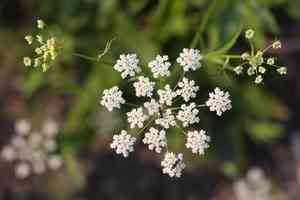
Skirret, a cherished perennial, thrives when relocated in the middle to latter part of spring once the ground becomes warmer. Select spots that receive full sun to partial shade and possess soil that drains effectively. Bear in mind that appropriate timing and placement guarantee vigorous development and a plentiful yield.
Essential Preparations Before Relocating Skirret?
What is the Optimal Period for Moving Skirret?
The best time to move skirret is from the beginning to the end of spring. This timeframe allows the plant to develop its root system before the summer heat becomes too intense. Transplanting during this window maximizes root development and minimizes stress, ensuring a strong start to the growing season. Early spring provides cooler temperatures and steady moisture, perfect for skirret's successful adjustment.
What Distance Should You Maintain Between Skirret Plants?
When moving skirret, ensure plants are spaced approximately 12-18 inches (30-45 cm) apart. This provides sufficient room for growth and development without competition for resources, simplifying garden management.
What is the Ideal Soil Mixture for Skirret Relocation?
For skirret, prepare well-draining soil enriched with compost or organic material. Incorporate a balanced fertilizer to give your plants a nutritional boost, ensuring they establish well in their new spot.
Where Should You Replant Your Skirret?
Select a site that receives full sun or partial shade for transplanting skirret. A minimum of 6 hours of daily sunlight is optimal to help them flourish and produce a good harvest.
What Tools Should You Prepare Before Moving Skirret?
Gardening Gloves
To safeguard your hands while handling soil and plants.
Shovel or Spade
For excavating the plant and preparing the new planting site.
Garden Fork
To gently loosen the soil surrounding the plant's roots.
Watering Can or Hose
To hydrate the plant before and after its relocation.
Pruning Shears
To trim any damaged or excessively long roots.
Compost or Well-Rotted Manure
To enrich the fresh soil and give the plant a healthy start.
Mulch
To aid in moisture retention and regulate soil temperature post-transplant.
How Do You Extract Skirret from the Ground?
How Do You Extract Skirret from the Ground?
From Ground: First, moisten the skirret plant to dampen the soil. Next, dig a wide trench around the plant using a shovel or spade, ensuring the plant's root ball remains intact. Carefully work the spade beneath the root ball to lift the plant from its original position.From Pot: Water the skirret plant thoroughly before removing it from the container. Gently tap the pot's sides to loosen the soil. Hold the plant's base and carefully slide it out, supporting the root ball with your hand.From Seedling Tray: Lightly water the seedlings. Use a garden fork or spoon to carefully lift each skirret seedling, ensuring the root system stays intact. Handle seedlings by their leaves to prevent stem damage.
Step-by-Step Guide for Relocating Skirret
Hole Preparation
Dig a hole in the new spot that is twice as wide and equally deep as the skirret's root ball.
Soil Enhancement
Add compost or well-rotted manure to the base of the hole to supply nutrients.
Plant Placement
Gently position the skirret into the hole, ensuring the top of the root ball is level with the surrounding soil.
Backfilling
Fill the hole with soil, gently pressing it down to eliminate air pockets without excessive compaction.
Watering
Thoroughly water the skirret to settle the soil around the roots and help reduce transplant shock.
Mulching
Apply a layer of mulch around the base of the skirret to help retain moisture and regulate soil temperature.
How Do You Care For Skirret After Relocation?
Watering
Keep the soil around the skirret consistently moist, but not waterlogged, for the initial weeks after transplanting to aid in strong root establishment.
Monitoring
Regularly inspect the skirret for signs of transplant shock, such as wilting or yellowing leaves, and provide extra water or shade as needed.
Mulching Maintenance
Ensure the mulch layer remains intact and is replenished as necessary to maintain moisture and protect the roots.
Pest Control
Watch for pests and address them promptly using appropriate control methods.
Addressing Common Issues with Skirret Relocation.
When is the best time to move skirret?
Early to late spring is ideal for moving skirret to ensure healthy growth.
How far apart should I space skirret plants?
Space skirret plants 12-18 inches (30-45 cm) apart for optimal growth and air circulation.
How do I prepare the soil for skirret?
Loosen the soil to a depth of 12 inches (30 cm) and incorporate organic compost.
How much should I water skirret after transplanting?
Water thoroughly, ensuring the soil is moist but not waterlogged. Consistent moisture is crucial.
What should I do if skirret leaves start wilting?
Ensure adequate watering, check for pests, and provide some temporary shade if necessary.
How deep should I plant skirret in the new location?
Plant skirret at the same depth it was growing previously to minimize stress.
What type of mulch works best for skirret?
Use organic mulch like straw or wood chips to retain moisture and suppress weeds.
How can I prevent transplant shock for skirret?
Gradually acclimate skirret to its new environment and maintain consistent watering.
Should I fertilize skirret immediately after transplanting?
Wait a few weeks before fertilizing skirret to allow it to establish in the new location.
Can I transplant skirret during hot weather?
It's best to avoid transplanting skirret in hot weather to reduce stress on the plant.



