How to Prune Skirret?
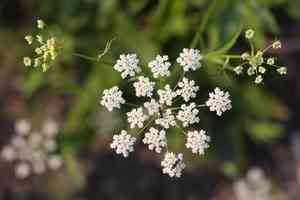
Skirret, a perennial vegetable recognized for its sweet, carrot-like roots, needs minimal trimming to encourage root growth and overall plant well-being. Essential pruning methods involve cutting back deceased or discolored leaves throughout growing periods to channel energy towards the roots. The most effective pruning takes place in late spring to early summer following the initial growth phase. Consistent elimination of withered foliage and superfluous shoots boosts root size and reduces the risk of illness. This focused trimming leads to bigger, more robust roots and enduring plant vitality.
What Are the Benefits of Pruning Skirret?
What Are the Benefits of Pruning Skirret?
Trimming skirret encourages robust development and maintains its form. Consistent cutting helps direct the plant's energy towards producing strong, flavorful roots, crucial for this crop.
What Is the Best Time for Pruning Skirret?
What Is the Best Time for Pruning Skirret?
Pruning skirret during Spring and Summer aligns with the plant's active growth phase, making these the optimal times for selective trimming. In Spring, pruning can stimulate new growth, ensuring skirret develops a strong, lush structure for the growing season. During Summer, pruning aids in removing any weak, damaged, or diseased stems, improving both skirret's appearance and health. Furthermore, pruning in these seasons avoids the winter period when the plant is dormant and potentially more vulnerable to cold weather damage after cuts.
What Tools Do I Need to Prune Skirret?
Hand pruners
Perfect for snipping thin stems and excess leaves, hand pruners offer precise control with minimal harm to the plant's structure.
Bypass pruners
These pruners operate with a scissor-like action, making them excellent for clean cuts on skirret's softer, green stems without crushing them.
Pruning shears
These are useful for shaping and managing skirret's size, allowing for precise cuts of stems near the base or in dense areas.
Garden scissors
Suitable for deadheading and trimming smaller, more delicate parts of skirret, which helps maintain plant health and appearance.
How to Prune Skirret
Identify
Locate and examine skirret for any indications of diseased or withered leaves and unhealthy stems. Careful observation is key to targeting the correct parts for removal without harming healthy growth.
Prepare tools
Ready the appropriate tools such as sharp secateurs or pruning shears. Ensure they are clean and sanitized to prevent the spread of disease between plants during pruning.
Remove leaves
Carefully snip off the diseased and withered leaves from skirret at their base. Avoid tearing the leaves, as clean cuts will heal faster and reduce the risk of disease.
Remove stems
Eliminate diseased stems by making a clean cut at the stem's base or above a healthy leaf node. This encourages healthy new growth and prevents pathogen spread.
Cleanup
Gather all removed material and dispose of it safely away from the garden to prevent re-infection or pest attraction. Clean the tools again after finishing to keep them ready for future use.
Common Pruning Mistakes with Skirret
Overpruning
A significant error is removing too much foliage from skirret, which can stress the plant and reduce its vigor. For skirret, it's crucial to maintain balance and avoid cutting back more than one-third of the plant at a time.
Improper cut placement
Cutting too close to the crown or main root junction can harm skirret. Cuts should be made just above a leaf node or branching point to encourage healthy regrowth and prevent disease entry.
Ignoring plant health
Another common mistake is pruning skirret when it's unhealthy or stressed. Pruning should occur when the plant is in a relatively healthy state to withstand the stress of pruning and recover effectively.
Incorrect tool use
Using dull or dirty tools can damage skirret by causing jagged cuts that are susceptible to pests and diseases. Always use sharp, clean pruning tools.
Common Pruning Tips for Skirret
Cut angle
Make cuts at a 45-degree angle, sloping away from the bud to encourage water runoff and reduce disease risk. This technique helps promote quicker healing and regrowth in skirret.
Remove dead material
Regularly removing dead or diseased foliage from skirret helps maintain plant health and vitality. This not only encourages new growth but also improves air circulation through the plant, reducing the likelihood of disease.
Periodic thinning
Thin out the crowns of skirret periodically to improve light penetration and air circulation. This promotes healthier growth and can enhance the yield and quality of the plantâs edible parts.
Follow natural shape
When pruning skirret, follow its natural growth habit to enhance its aesthetic form and productivity. Avoid excessive shaping which can stress the plant and distort its natural growth patterns.



