How to Overwinter Skirret
1
Skirret is a robust perennial vegetable recognized for its sweet, pale roots.
2
To overwinter Skirret outside, thorough mulching and safeguarding from severe cold are essential.
3
For indoor overwintering of Skirret, consider potting and employing grow lights to sustain vigorous development.
What is Skirret?
What is Skirret?
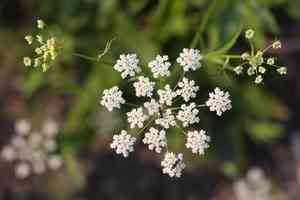
Skirret (Sium sisarum) is a delightful perennial vegetable that gardeners have cherished for centuries. Known for its cluster of sweet, white roots, Skirret is a root vegetable that thrives in moist soil and cool climates. It is grown both for its edible roots and lush foliage, making it an appealing addition to both gardens and culinary adventures.
Preparing Skirret for Winter
When to Start Preparing
Begin preparing your Skirret for winter as autumn approaches. Ideally, you should start late in the fall, around October or November, just before the first hard frost. This timing allows the plant to slightly toughen its roots while still being protected from the severe cold.
Soil and Mulching Techniques
To prepare your Skirret, start by ensuring the soil is loose and well-drained. Applying a thick layer of mulch, such as straw, leaves, or compost, helps insulate the roots. Aim for a mulch layer of about 10-15 cm (4-6 inches). This covering retains soil moisture and provides an extra barrier against cold temperatures, shielding roots from frost penetration.
How to Protect Skirret from Extreme Cold?
Using Straw and Leaf Mulch
Straw and leaf mulch are excellent choices for protecting Skirret. These materials create a natural insulating layer that preserves soil warmth. Spread a thick layer (10-15 cm or 4-6 inches) over the soil surface once the ground begins to freeze. This simple technique can greatly enhance Skirret's survival rate through winter.
Building a Cold Frame
For added protection, consider constructing a cold frame. Cold frames are like mini-greenhouses that trap heat and shield plants from wind and frost. You can build a cold frame using old windows or clear plastic sheeting stretched over a wooden frame. Place this over your mulched Skirret bed to create a microclimate that keeps the temperature slightly warmer than the surrounding outdoor air.
Indoor Overwintering Options
Potting Skirret for Indoor Care
If you prefer to overwinter Skirret indoors, dig up the plant before the first frost. Carefully pot the Skirret in large containers, ensuring the roots have enough room to spread. Use a high-quality potting mix and water the plant sparingly, keeping the soil just moist enough to prevent drying out.
Using Grow Lights
Since daylight hours are short in winter, supplement the natural light with grow lights. Place the potted Skirret under grow lights for about 10-12 hours a day to mimic summer conditions. This will help maintain healthy foliage and root development while itâs indoors.
Monitoring Skirret During Winter
Inspecting for Pests and Diseases
Regularly check your Skirret for signs of pests such as aphids or spider mites, which can become problematic indoors. Outdoors, look for rot or fungal issues, especially under mulch. Early detection can save the plants from significant damage.
Maintaining Proper Moisture Levels
Whether indoors or outdoors, ensure that the moisture levels remain balanced. For outdoor plants, keep an eye on weather conditions and water during dry spells. Indoor Skirret should receive just enough water to keep it from drying out completely, about once every two weeks.



