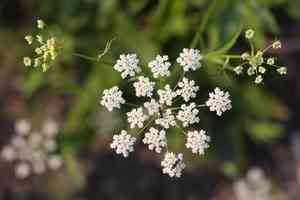
Skirret (Sium sisarum)
Also known as: Crummock
Skirret produces a bunch of bright white roots that are sweet, slightly aromatic, and typically around 15 to 20 cm long. These roots can be used similarly to common salsify, black salsify, and parsnips in cooking.
In This Article
Attributes of Skirret
Lifespan
Perennial
Plant Type
Herb
Plant Height
1 m
Spread
30 cm
Leaf Color
Green Gray
Flower Size
3-4 mm
Flower Color
Pink Cream Purple
Images of Skirret
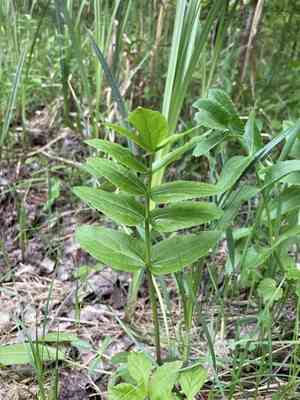
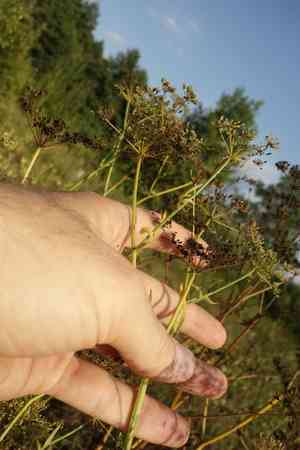
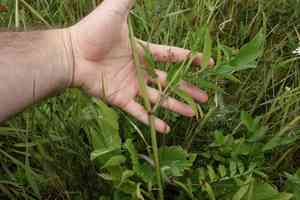
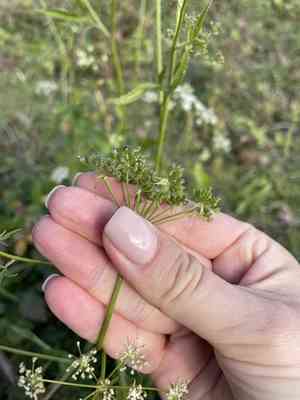
Quickly Identify Skirret
1
Skirret can be identified by its clusters of slender, white roots and its carrot-like green foliage. The leaves are pinnate and finely divided. It produces small white flowers arranged in umbels during the summer.
Scientific Classification of Skirret
Phylum
Vascular plants
Class
Dicotyledons
Order
Apiales
Family
Umbellifers
Genus
Water parsnips
Species
Skirret
Planting and Growing of Skirret
Care Difficulty
Easy
Watering Schedule
Every 3 days
Sunlight Requirements
Full sun
Sunshine Duration
4-6 hours
Ideal Temperature
60-75℉
Soil Type
Potting Mix, Peat Mix
Soil pH
6.5-7.5
Fertilizer Type
Balanced
Pruning Season
Spring, Summer
Pruning Area
Branches, Leaves
Pruning Frequency
2 times a year
Repotting Season
Spring
Pot Type
Plastic, Ceramic
 How to Water Skirret?
Sium sisarum appreciates a generous watering approach, ensuring the soil remains consistently moist but not waterlogged. Generally, 500 milliliters per watering session allows the plant to thrive while maintaining soil humidity without oversaturation.
What are the symptoms of an underwatered Skirret?
›
What should I do if my Skirret is not getting enough water?
›
What are the symptoms of an overwatered Skirret?
›
How to save an overwatered Skirret?
›
 What Are the Sunlight Requirements for Skirret?
Sium sisarum ideally enjoys full sun to partial sun, benefitting from 6-8 hours of sunlight. This range ensures healthy growth and productivity by maximizing its photosynthetic efficiency.
What is the ideal lighting condition?
›
How to achieve ideal sunlight conditions?
›
What benefits does ideal sunlight provide?
›
 What Is the Ideal Temperature Range for Skirret?
The optimal temperature range for the growth of Sium sisarum is between 60°F and 75°F. At these temperatures, the plant is able to photosynthesize efficiently, maintain good metabolic activity, and exhibit healthy and vigorous growth. This temperature range provides an ideal environment for root development and nutrient uptake, allowing the plant to thrive.
 What Soil is Best for Skirret?
Sium sisarum thrives in nutrient-rich soils, supporting its robust root growth and development. It needs a substrate rich in organic matter, which improves moisture retention and provides essential nutrients for vigorous foliage and root production. Moisture-retentive soils benefit Sium sisarum by ensuring consistent hydration, which is vital for its tuber development. This kind of soil helps prevent the drying out of roots, promoting healthy growth and maximizing yield. The soil needs to be well-aerated to allow for proper root penetration and oxygen exchange. It prevents waterlogging and root rot, ensuring healthy plant growth and better nutrient uptake.
 How to Fertilize Skirret?
For Sium sisarum, it's important to measure carefully. Use around 1 teaspoon of liquid fertilizer per gallon of water if you're applying it every two weeks. For solid fertilizers, a small handful scattered around the base of the plant and then watered in is usually sufficient each time.
 How to Prune Skirret?
Begin by examining the Sium sisarum for any dead or damaged stems. Use clean, sharp pruning shears to cut these back to the base of the plant. Look for crowded areas that can be thinned out to allow better air circulation. Cut stems at an angle to promote healthy regrowth. For Sium sisarum, focus on removing any yellow or discolored leaves. This not only keeps the plant looking fresh but also prevents potential spread of disease. Always make sure to make clean cuts without tearing the leaves and dispose of the removed foliage properly.
More About Pruning Techniques→
 How to Propagate Skirret plant?
1
Collect seeds during late summer and store in a cool, dry place. Before sowing in early spring, soak the seeds in water overnight to soften the seed coat and improve germination rates.
2
Fill the seed tray with a seed-starting mix and scatter the soaked seeds evenly on the surface. Cover lightly with a thin layer of soil and mist to ensure the seeds have contact with moisture.
3
In spring, lift the mature Sium sisarum plants and gently separate clumps into smaller sections. Each section should have roots attached. Replant the divisions into prepared soil at similar depth to their original growth.
 How to Repot Skirret plant?
1
Sium sisarum should be repotted when you notice roots circling at the bottom of the pot or when soil compaction hinders water drainage. Early spring or autumn are ideal times as the plant is not in active growth and less likely to experience shock.
2
Select a pot that is one size larger than the current one, ensuring it has ample drainage holes. Using an appropriately sized pot prevents the soil from retaining excess moisture which can lead to root rot, and promotes healthy root expansion.
3
Opt for a loamy, well-draining soil mixture. This type of soil supports adequate aeration and water drainage, which is crucial for preventing root rot and promoting healthy growth in Sium sisarum. Adding perlite can enhance drainage further.
Learn More About Skirret Diseases
Anthracnose
Bacterial Leaf Spot
Bacterial Soft Rot
Bacterial Wilt
Clubroot
Crown Gall
Cyst Nematode
Damping-off
Downy Mildew
Drought Stress
Fusarium Wilt
Gray Mold
Leaf Spot
Mosaic
Nutrient Deficiency
Nutrient Toxicity
Powdery Mildew
Root Rot
Root-knot Nematode
Rusts
Sooty Mold
Spider Mites
Temperature Stress
Thrips Damage
White Mold
Chemical Injury



