How to Transplant Roadside blue-eyed grass?
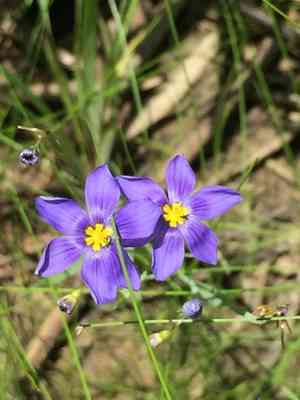
Sisyrinchium angustifolium flourishes when relocated during the chilly, damp intervals from the beginning of spring to its conclusion, or in the initial part of winter. Select a spot receiving full sun to partial shade with soil that drains effectively to guarantee optimal development and rooting.
Essential Preparations Before Relocating Roadside Blue-eyed Grass?
Optimal Timing for Relocating Roadside Blue-eyed Grass?
For roadside blue-eyed grass, the best periods for relocation are from early to late spring or early to late winter. These seasons provide mild temperatures and sufficient moisture, minimizing transplant shock and aiding root development. Moving plants during these times allows them to fully benefit from growing conditions, leading to stronger, more vigorous growth.
Recommended Spacing Between Roadside Blue-eyed Grass Plants?
When relocating roadside blue-eyed grass, ensure each plant is positioned 6-12 inches (15-30 cm) apart. This provides adequate room for growth and expansion without overcrowding.
Ideal Soil Blend for Roadside Blue-eyed Grass Relocation?
For roadside blue-eyed grass, prepare well-draining soil enriched with organic compost to boost nutrients. Incorporating a balanced, slow-release fertilizer will support its development. Aim for a soil pH that is slightly acidic to neutral.
Optimal New Location for Your Roadside Blue-eyed Grass?
Select a site with full sun to partial shade for roadside blue-eyed grass. It thrives with at least 6 hours of daily sunlight, but can still flourish in areas receiving some afternoon shade.
Necessary Equipment Before Relocating Roadside Blue-eyed Grass?
Gardening Gloves
To safeguard your hands while handling soil and plants.
Hand Trowel
For excavating small holes and loosening soil around the plant.
Shovel or Spade
To dig larger holes and trenches for relocation.
Watering Can or Hose
For hydrating the plant before and after relocation.
Garden Fork
To gently lift the plant and its root system from the ground.
Wheelbarrow
For moving the plant from its original spot to the new site.
Organic Mulch
To help retain moisture and supply nutrients post-relocation.
How to Extract Roadside Blue-eyed Grass from the Soil?
How to Extract Roadside Blue-eyed Grass from the Soil?
From Ground: First, moisten the roadside blue-eyed grass plant to dampen the soil. Then, use a shovel or spade to dig a wide trench around the plant, ensuring the root ball remains intact. Carefully work the spade beneath the root ball to lift the plant from its original position.From Pot: Thoroughly water the roadside blue-eyed grass plant to help loosen the soil. Gently slide the plant out by tilting the pot sideways and tapping the bottom. If the plant is stuck, run a knife along the pot's edge to free the root ball.From Seedling Tray: Gently water the roadside blue-eyed grass seedlings to avoid root damage. Use a hand trowel or your fingers to carefully lift each seedling, keeping as much of the root system intact as possible. Handle seedlings by their leaves rather than stems to prevent harm.
Step-by-Step Guide for Relocating Roadside Blue-eyed Grass
Prepare New Site
Ensure the new planting area is properly prepared by loosening the soil and removing any weeds. Dig a hole that is twice as wide and as deep as the plant's root ball.
Remove Plant
Carefully extract the roadside blue-eyed grass plant from its original location using the appropriate method.
Plant at New Site
Place the roadside blue-eyed grass in the new hole, ensuring the top of the root ball is level with the soil surface. Backfill the hole with soil, pressing gently to eliminate air pockets.
Water Thoroughly
After planting, water the roadside blue-eyed grass thoroughly to help settle the soil around the roots.
Apply Mulch
Apply a layer of organic mulch around the base of the plant to retain moisture and regulate soil temperature.
Post-Relocation Care for Roadside Blue-eyed Grass?
Watering
Keep the soil around the roadside blue-eyed grass consistently moist, but not waterlogged, for the initial weeks after relocation to aid in root establishment.
Monitoring
Regularly inspect the plant for any indications of stress, such as wilting or yellowing leaves. Address any issues promptly.
Weeding
Keep the area surrounding the roadside blue-eyed grass free of weeds to reduce competition for nutrients and water.
Protection
If relocating in the fall or late summer, consider shielding the plant from frost with a simple cover like a cloth or plastic overnight.
Addressing Common Issues with Roadside Blue-eyed Grass Relocation.
When is the best time to relocate roadside blue-eyed grass?
Relocate roadside blue-eyed grass from early to late spring or early to late winter for optimal outcomes.
How much space should I leave between roadside blue-eyed grass plants?
Space roadside blue-eyed grass plants 6-12 inches (15-30 cm) apart to ensure robust growth.
How should I prepare the soil for roadside blue-eyed grass?
Ensure well-draining soil rich in organic matter. Amend with compost if necessary.
What is the best way to water newly relocated roadside blue-eyed grass?
Water thoroughly after relocation to settle the soil and minimize transplant shock.
How deep should I plant the roadside blue-eyed grass?
Plant roadside blue-eyed grass at the same depth they were previously growing to prevent root problems.
Should I fertilize roadside blue-eyed grass when relocating?
Avoid fertilizing immediately after relocation to prevent root burn; wait a few weeks.
How can I reduce transplant shock in roadside blue-eyed grass?
Water well, avoid direct sunlight initially, and use mulch to retain moisture.
What type of mulch is best for roadside blue-eyed grass?
Use organic mulch like straw or wood chips to help retain moisture and regulate soil temperature.
How long should I water roadside blue-eyed grass after relocating?
Water regularly for the first 2-3 weeks to ensure the roots establish well.
What should I do if roadside blue-eyed grass shows signs of stress after relocating?
Ensure proper watering, avoid excessive sun exposure, and check soil drainage. Adjust care as needed.



