How to Propagate Roadside blue-eyed grass?
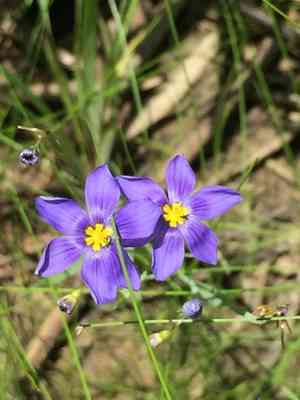
Sisyrinchium angustifolium, a perennial species, is recognized for its vivid blue blossoms. For multiplying this plant, a useful technique involves employing its underground tubers. These tubers can be separated and directly inserted into soil that drains effectively. This approach aids in the plant's successful establishment, fostering vigorous growth and abundant flowering. Supplying sufficient sunlight and requiring little upkeep contributes to its healthy progression and brilliant floral displays.
When Is the Optimal Time to Propagate Roadside Blue-eyed Grass?
Propagation Method
UtilizeTubers
Propagation Period
Spring
What Tools Are Employed in Roadside Blue-eyed Grass Propagation?
Gardening Shears
Used for severing and separating tubers from the parent plant without harming the roots. These ensure clean cuts, lowering infection risk.
Garden Trowel
Crucial for excavating and lifting soil around the tubers. A robust trowel aids in carefully extracting tubers while minimizing disruption to surrounding soil.
Rooting Hormone
Applied to the cut portions of the tubers to stimulate root development and enhance propagation success rates.
Potting Trays
Used for placing tubers in a regulated environment to monitor their initial growth phases before transplanting them to the ground.
Sterilizing Solution
Ensures gardening tools are clean prior to use, decreasing the chance of transmitting pathogens to the tubers.
Soil pH Tester
Confirms the soil acidity is appropriate for roadside blue-eyed grass, which thrives in specific pH levels. Maintaining ideal soil conditions is vital for robust growth.
Watering Can with Fine Rose
Delivers gentle irrigation without dislodging soil around newly planted tubers. Consistent moisture is essential for tuber establishment.
How to Propagate Roadside Blue-eyed Grass?
Propagation Difficulty
Easy
How to Nurture Your Newly Propagated Roadside Blue-eyed Grass?
How to Nurture Your Newly Propagated Roadside Blue-eyed Grass?
Post-planting, continue to irrigate roadside blue-eyed grass consistently but avoid excessive watering. Apply mulch around the base to aid moisture retention and regulate soil temperature. Fertilize sparingly with a balanced, slow-release fertilizer in early spring. Monitor for pests and diseases, addressing any issues promptly. Trim any dead or damaged foliage to encourage vigorous growth. Within a few weeks, new shoots should appear, signaling successful propagation.
Common Errors to Avoid When Propagating Roadside Blue-eyed Grass
Incorrect Soil Choice
Employing soil that retains too much moisture can lead to root rot. Roadside blue-eyed grass prefers well-drained soil.
Excessive Watering
Frequent irrigation can result in waterlogged soil conditions, fostering fungal diseases and root decay.
Failure to Provide Adequate Light
Roadside blue-eyed grass requires ample sunlight to flourish. Insufficient light can hinder growth and reduce blooming.
Neglecting Pest Management
Aphids and other pests can stress the plant, impeding its growth and spread.
Improper Division
Incorrect technique when dividing clumps can harm rhizomes, diminishing the plant’s ability to propagate.
Advice For Propagating Roadside Blue-eyed Grass
Utilize Well-Drained Soil
Ensure the use of soil that permits excess water to drain readily to prevent root rot.
Moderate Irrigation
Water the plants moderately, allowing the soil to dry out between waterings to prevent waterlogged conditions.
Provide Abundant Sunlight
Position roadside blue-eyed grass in a location where it can receive plenty of sunlight, ideally full to partial sun.
Regular Pest Control
Inspect the plants frequently for pests and treat them promptly to maintain plant health.
Correct Division Method
When dividing clumps, ensure you are using a sharp tool and handle the rhizomes gently to minimize damage.



