How to Prune Roadside blue-eyed grass?
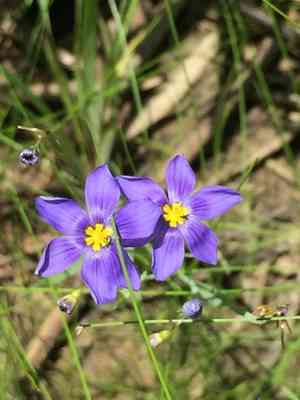
This enduring plant features slender, blade-like foliage and azure, star-shaped blossoms. Trim roadside blue-eyed grass from late winter through early spring, eliminating withered or compromised leaves to foster robust development. After flowering, snip off faded flower stems to preserve their look and deter unwanted seed dispersal. Consistent trimming promotes abundant blooms and neater specimens, improving the garden's visual appeal. Refer to authoritative horticultural resources for exact methods and schedules.
Advantages of Trimming Roadside Blue-eyed Grass?
Advantages of Trimming Roadside Blue-eyed Grass?
Trimming roadside blue-eyed grass promotes robust development and maintains a tidy form. Pruning helps eliminate dead or damaged leaves, preventing issues with pests and diseases. It also encourages more abundant flowering and manages the plant's size and spread.
Optimal Time for Trimming Roadside Blue-eyed Grass?
Optimal Time for Trimming Roadside Blue-eyed Grass?
Trimming roadside blue-eyed grass in late winter or early spring is considered ideal for several reasons. Firstly, this period coincides with the dormant phase of roadside blue-eyed grass, a stage in its growth cycle when it is less actively developing. Pruning during dormancy reduces stress and allows the plant to recover more effectively. Additionally, this timing occurs before the active growing season begins, enabling new growth to establish quickly and minimizing the risk of infection from fresh cuts. Furthermore, pruning before the spring flowering period helps ensure the plant produces more vigorous and plentiful blooms, enhancing its aesthetic appeal.
Tools Required for Trimming Roadside Blue-eyed Grass?
Hand pruners
Hand pruners are perfect for making precise cuts on small stems and maintaining the overall shape of roadside blue-eyed grass. They allow for detailed work without harming surrounding foliage.
Scissors
A sharp pair of garden scissors can be useful for deadheading and trimming delicate flower stems of roadside blue-eyed grass. They provide a gentle cut that minimizes plant damage.
Shears
For more extensive trimming, garden shears can be used. These assist in cutting back larger sections of roadside blue-eyed grass if it becomes overgrown. They ensure clean cuts which help prevent diseases.
How to Trim Roadside Blue-eyed Grass
Assessment
Examine the plant roadside blue-eyed grass carefully to identify any diseased or withered leaves. Ensure you have a clear understanding of the extent of pruning required.
Tools
Prepare your pruning tools, ensuring they are clean and sharp for precise cuts. This typically includes a pair of garden shears or scissors.
Diseased removal
Carefully cut away all diseased leaves at their base where they meet the stem. Dispose of these leaves away from the garden area to prevent disease spread.
Withered removal
Trim off any withered leaves by cutting them at the point where they meet healthy tissue. Be careful not to damage any adjacent healthy parts of roadside blue-eyed grass.
Cleanup
After pruning, clean the pruning tools with disinfectant to prevent cross-contamination. Additionally, ensure to clear any plant debris from around roadside blue-eyed grass to maintain a healthy growing environment.
Common Trimming Errors with Roadside Blue-eyed Grass
Over-pruning
Trimming too much of the plant can stress roadside blue-eyed grass, reducing its ability to produce flowers and healthy foliage.
Using dull tools
Blunt pruning tools can damage plant tissue, making roadside blue-eyed grass more susceptible to disease and infections.
Incorrect cutting technique
Making jagged or uneven cuts can lead to poor healing and invite pests or diseases.
Pruning at the wrong time
Cutting back roadside blue-eyed grass at inappropriate times can hinder its growth and delay flowering.
Ignoring dead or diseased parts
Failing to remove dead or diseased foliage can affect the overall health of roadside blue-eyed grass by spreading disease to healthy parts.
General Trimming Advice for Roadside Blue-eyed Grass
Use sharp tools
Ensure all pruning shears are sharp and clean to make clean cuts and avoid damaging roadside blue-eyed grass.
Remove spent blooms
Cut back the spent blooms to encourage new growth and prolong the blooming period of roadside blue-eyed grass.
Trim dead or damaged foliage
Regularly remove any dead or damaged leaves and stems to maintain the plant's health and prevent disease.
Make clean cuts
Always cut just above a leaf node or bud to promote new growth and a tidy appearance.
Monitor plant regularly
Keep an eye on roadside blue-eyed grass for any signs of overgrowth or health issues, and prune as needed to keep the plant in good shape.



