How to Transplant White rosinweed?
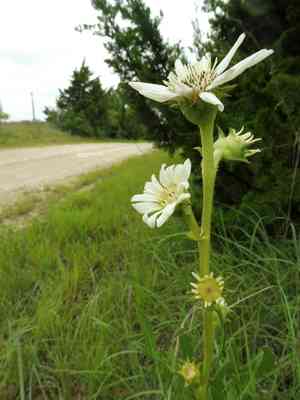
White rosinweed flourishes when relocated between early and late spring, benefiting from moderate temperatures and sufficient precipitation. Select a bright spot with soil that drains effectively. Handle the root system with care to reduce shock.
What Preparations are Needed Before Transplanting White Rosinweed?
What is the Ideal Time for Transplanting White Rosinweed?
The most opportune period for relocating white rosinweed spans from the beginning of early spring to the conclusion of late spring. During this interval, ground temperatures start to increase, fostering root development and overall plant vitality. Transplanting at this time guarantees prime growth conditions, assisting white rosinweed in adapting and flourishing in its new spot, leading to a robust perennial display.
How Much Space Should You Leave Between White Rosinweed Plants?
Ensure to position white rosinweed approximately 36-48 inches (90-120 cm) apart from one another. This provides ample room for their roots to expand and guarantees each plant receives sufficient air circulation.
What is the Best Soil Mix for White Rosinweed Transplanting?
For white rosinweed, prepare a soil mixture that drains effectively. Loamy or sandy soil types are highly suitable. Incorporate a balanced fertilizer, such as a 10-10-10 formulation, to give the plants an excellent start.
Where Should You Relocate Your White Rosinweed?
White rosinweed thrives in direct sunlight. Select a location where they will receive a minimum of 6-8 hours of unfiltered sunlight daily. This will aid their vertical growth and the production of beautiful blooms.
What Equipments Should You Prepare Before Transplantation White Rosinweed?
Gardening Gloves
To safeguard your hands while handling soil and plants.
Shovel or Spade
For excavating and lifting the plant from its initial position.
Hand Trowel
Useful for more precise, smaller-scale digging around the plant.
Pruning Shears
For trimming any damaged or superfluous roots.
Watering Can or Hose
To hydrate the plant both before and after its relocation.
Mulch
To preserve soil moisture and inhibit weed growth around the newly transplanted plant.
Garden Fork
For loosening the soil in the new planting site.
How Do You Remove White Rosinweed from the Soil?
How Do You Remove White Rosinweed from the Soil?
From Ground: First, irrigate the white rosinweed plant to moisten the soil. Next, excavate a wide trench around the plant using a shovel or spade, ensuring the plant's root ball remains intact. Carefully maneuver the spade beneath the root ball to extract the plant from its original spot.From Pot: Water the white rosinweed plant to loosen the soil. Gently invert the pot while supporting the plant's stem, and tap the base of the pot to release the root ball. Exercise caution to avoid damaging the roots during removal.From Seedling Tray: Water the seedlings prior to transplanting to facilitate their removal. Using a hand trowel or similar implement, gently lift each seedling from the tray by its root ball, taking care not to harm the delicate roots.
Step-by-Step Guide for Transplanting White Rosinweed
Site Preparation
Select and prepare the new planting location by digging a hole that is twice as wide and the same depth as the root ball of the white rosinweed plant.
Soil Amendment
Incorporate some organic material, such as compost, into the hole to enrich the soil.
Plant Placement
Gently position the white rosinweed plant in the center of the hole at the same depth it was previously growing. Spread out the roots if they are tightly coiled.
Backfilling
Fill the hole halfway with soil, then water to settle the soil around the roots. Finish filling the hole with soil and gently tamp it down to remove air pockets.
Initial Watering
Water the plant thoroughly to help establish strong roots. Ensure the soil is evenly moist but not waterlogged.
Mulching
Apply a layer of mulch around the base of the white rosinweed plant to conserve moisture and suppress weeds. Leave some space around the stem to prevent rot.
How Do You Care For White Rosinweed After Transplanting?
Watering
Keep the soil around the white rosinweed consistently moist, but not soggy, for the first few weeks after transplanting to help establish strong roots.
Monitoring
Regularly check the white rosinweed for signs of stress, such as wilting or yellowing leaves, and adjust care as needed.
Weeding
Keep the area around the white rosinweed plant free from weeds, as they can compete for nutrients and water.
Pruning
Trim any damaged or dead leaves to encourage new growth and maintain the plant's health.
Troubleshooting Common Issues with White Rosinweed Transplantation.
When is the best time to transplant white rosinweed?
Relocate white rosinweed during early spring to late spring for optimal growth and establishment.
How much space should I leave between plants?
Space white rosinweed plants 36-48 inches (91-122 cm) apart to ensure proper air circulation and growth.
What soil conditions does white rosinweed prefer?
White rosinweed thrives in well-drained, fertile soil with a neutral to slightly alkaline pH level.
How deeply should white rosinweed be planted?
Plant white rosinweed at the same depth as it was in its original container to avoid root stress.
How should I prepare the soil for transplanting?
Amend the soil with compost and ensure it is well-draining to support white rosinweed's healthy root development.
What should I do if white rosinweed wilts after transplanting?
Water white rosinweed thoroughly and provide temporary shade to help it recover from transplant shock.
How often should I water newly transplanted white rosinweed?
Water white rosinweed regularly, keeping the soil consistently moist but not waterlogged, especially during the first few weeks.
Can white rosinweed tolerate full sun or partial shade?
White rosinweed prefers full sun but can tolerate partial shade; ensure it receives at least 6 hours of sunlight daily.
Should I fertilize white rosinweed after transplanting?
Fertilize white rosinweed lightly with a balanced, slow-release fertilizer to support its growth without overwhelming it.
What pests and diseases should I watch for after transplanting white rosinweed?
Keep an eye out for aphids and powdery mildew. Maintain good air circulation and avoid overhead watering.



