How to Propagate White rosinweed?
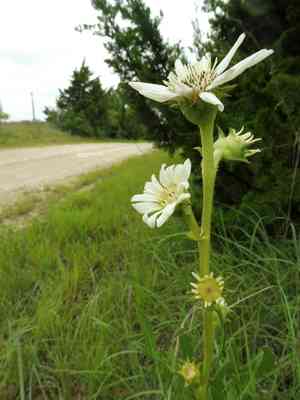
Silphium album, a species within the Asteraceae family, flourishes in adequately drained ground and ample sunlight. To propagate, gather seeds from fully developed blossoms and plant them directly into the earth. Ensure the seeds remain damp until sprouting occurs. Dividing the roots is another viable method, best performed at the start of the cultivation period. Providing sufficient distance between plants fosters vigorous development, lessening the struggle for nourishment and light.
Optimal Period for White Rosinweed Propagation
Propagation Method
Seeding
Propagation Period
Spring
Tools for White Rosinweed Propagation
Seed Trays
Seed trays are crucial for offering a regulated setting for white rosinweed seeds to sprout. They enable simple oversight and management of moisture and soil conditions, which are vital for successful white rosinweed sowing. Seed trays also aid in organizing seeds and making the initial growth phases manageable and efficient.
Seed Starting Mix
A premium seed starting mix is important for white rosinweed as it provides a sterile, well-aerated medium that encourages robust root growth and prevents disease. This mix ensures proper drainage and retains moisture, critical elements for white rosinweed's germination process.
Humidity Domes
Humidity domes assist in maintaining the necessary moisture levels around seed trays, creating a microclimate favorable for white rosinweed germination. Keeping humidity high prevents seeds from drying out and helps maintain consistent moisture.
Spray Bottle
A spray bottle is useful for gently misting the soil and maintaining the moisture levels required for white rosinweed without disturbing the seeds. This tool allows for precise watering, ensuring delicate seedlings are not harmed by excessive water.
Heating Mat
A heating mat placed beneath seed trays can provide consistent warmth, potentially improving white rosinweed germination rates. Seeds often need a specific temperature range to germinate effectively, and a heating mat can help maintain these optimal conditions.
Labeling Stakes
Labeling stakes or markers are important for tracking different seed batches, especially if multiple propagation projects are ongoing. This helps in identifying white rosinweed, monitoring progress, and noting specific conditions or treatments applied to various trays.
Trowel or Dibber
A small trowel or dibber can be used for creating planting holes in seed trays and for later transplanting seedlings when ready. These tools ensure precise placement and minimize root disturbance.
How to Propagate White Rosinweed?
Propagation Type
Simple
Caring for Your Newly Propagated White Rosinweed
Caring for Your Newly Propagated White Rosinweed
After sprouting, thin out seedlings to prevent overcrowding. Transplant the strongest seedlings into individual pots or directly into the garden. Ensure they have ample space as white rosinweed grows tall with an extensive root system. Water regularly to establish roots, but reduce frequency once plants mature. Provide full sun exposure for robust growth. Monitor for pests and diseases, and apply organic mulch to retain soil moisture and suppress weeds.
Common Errors to Avoid When Propagating White Rosinweed
Overwatering
Excessive water can lead to root rot, which is detrimental to white rosinweed's growth and health.
Poor soil drainage
Inadequate drainage can cause waterlogged soil, creating an unfavorable environment for root development.
Insufficient sunlight
Lack of sunlight can hinder photosynthesis, affecting the growth and vitality of white rosinweed.
Using the wrong propagation method
Selecting an inappropriate propagation technique can result in low success rates and weak plantlets.
Neglecting pest control
Failing to manage pests can lead to infestations that damage the plant and impede propagation efforts.
Tips For Propagating White Rosinweed
Select well-drained soil
Use soil that allows adequate drainage to prevent waterlogging and root rot.
Maintain optimal moisture levels
Keep the soil moderately moist but not waterlogged to support healthy root development.
Ensure adequate sunlight
Place white rosinweed in a location receiving full sun to promote vigorous growth and successful propagation.
Use suitable propagation methods
Opt for methods such as seed sowing or division, which are effective for white rosinweed.
Monitor for pests
Regularly check for pest presence and take necessary actions to manage infestations early.



