How to Prune White rosinweed?
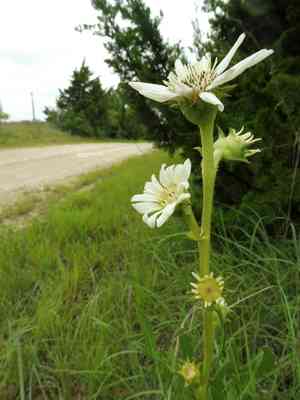
Silphium album is a hardy perennial recognized for its striking white blossoms and adhesive leaves. For optimal care, trim back any withered or compromised stalks in late winter or early spring to stimulate fresh development and preserve its form. Renewal pruning is also advantageous, involving the removal of approximately one-third of the most mature stems to foster robust flowering. Strategic trimming improves air circulation, lowers the likelihood of disease, and contributes to a more vibrant, abundant specimen.
What Are the Benefits of Pruning White Rosinweed?
What Are the Benefits of Pruning White Rosinweed?
Trimming white rosinweed encourages robust development, maintains its form, and boosts resistance to pests. Regular cutting promotes healthy growth, manages size, and enhances overall plant vigor.
What Is the Best Time for Pruning White Rosinweed?
What Is the Best Time for Pruning White Rosinweed?
It's best to prune white rosinweed in early spring or late winter when the plant is dormant. During this period, the plant conserves energy and hasn't started new growth, which minimizes shock and encourages healthy regrowth. Additionally, pruning before the new growth season helps shape the plant and remove dead or damaged branches, ensuring strong flowering and overall plant health once the growing season begins.
What Tools Do I Need to Prune White Rosinweed?
Bypass pruners
Perfect for clean, precise cuts on smaller stems and branches, fostering healthy regrowth in white rosinweed.
Loppers
Useful for cutting thicker stems or branches of white rosinweed that are too large for pruners, providing leverage and ease.
Pruning saw
Essential for cutting larger branches that loppers cannot handle, suitable for mature white rosinweed stems.
Hand shears
Ideal for deadheading and trimming small, delicate parts of white rosinweed, allowing for detailed work.
How to Prune White Rosinweed
Inspection
Thoroughly check white rosinweed for any indications of diseased or withered leaves, paying close attention to leaf color, texture, and overall health.
Tools Preparation
Sanitize your pruning tools with rubbing alcohol or a bleach and water solution to prevent disease spread.
Remove Disease
Carefully cut away any diseased leaves, making cuts at least one inch below the affected area to ensure all compromised tissue is removed.
Remove Withered
Snip off withered leaves at their base or where they attach to the stem, being careful not to harm healthy parts of white rosinweed.
Disposal
Properly discard all pruned material, especially diseased leaves, by sealing them in a plastic bag and placing them in the trash to prevent reinfection or spread.
Common Pruning Mistakes with White Rosinweed
Over-pruning
Removing too much foliage can stress white rosinweed, making it more vulnerable to diseases and pests.
Improper cuts
Using dull or dirty tools can harm plant tissue, leading to infections.
Random pruning
Lacking a clear strategy can result in an unbalanced plant and irregular growth patterns.
Pruning at the wrong growth stage
Trimming too early or too late in the plant's growth cycle can hinder flowering and stunt development.
Neglecting the plant shape
Ignoring the natural form can cause the plant to develop weak branches or an unattractive shape.
Common Pruning Tips for White Rosinweed
Use sharp, sterilized tools
Ensure your pruning shears or scissors are clean and sharp to make precise cuts and prevent disease.
Remove dead or diseased stems
Cut back any dead or unhealthy parts to encourage healthy new growth and prevent disease spread.
Prune with purpose
Always have a reason for each cut, whether it's to shape the plant, remove damaged parts, or promote growth.
Cut at the right angle and location
Make cuts just above a bud or leaf node at a 45-degree angle to promote optimal healing and growth.
Maintain the natural shape
Follow white rosinweed's natural growth pattern to ensure a balanced and aesthetically pleasing appearance.
Limit the amount
Never remove more than 25-30% of the plant at a time to avoid stressing it.
Monitor for pests
Regularly check for signs of pests, especially after pruning, to address any issues promptly.



