How to Transplant Alpine catchfly?
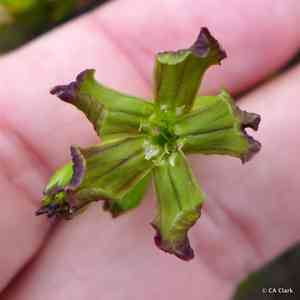
Alpine catchfly flourishes when transplanted between early and late spring, taking advantage of prime growing circumstances. Select a bright, adequately drained location. Should the roots appear constricted, carefully untangle them to facilitate expansion. Appropriate distances between plants guarantee robust development for each specimen.
What Preparations are Needed Before Transplanting Alpine Catchfly?
What is the Ideal Time for Transplanting Alpine Catchfly?
For alpine catchfly, the best time to move it is from early spring through its later stages. Moving it then allows the plant to set roots before summer's heat, ensuring strong development. This period also offers more daylight and rain, creating perfect conditions for successful relocation.
How Much Space Should You Leave Between Alpine Catchfly Plants?
Aim to space your alpine catchfly approximately 12-18 inches (30-45 cm) apart. This provides ample room for growth and proper air circulation, which is vital for healthy development.
What is the Best Soil Mix for Alpine Catchfly Transplanting?
Prepare soil that drains well and is rich in organic matter for your alpine catchfly. A balanced base fertilizer, such as compost or a mix with equal parts nitrogen, phosphorus, and potassium, will support vigorous growth.
Where Should You Relocate Your Alpine Catchfly?
Select a spot for your alpine catchfly that gets full sun to light shade. Ideally, this means around 6 hours of daily sunlight, ensuring vibrant blooms and healthy leaves.
What Equipments Should You Prepare Before Transplantation Alpine Catchfly?
Gardening Gloves
To safeguard your hands while handling soil and plants.
Trowel or Shovel
For excavating the plant from its original spot and preparing the new planting hole.
Watering Can or Hose
To hydrate the plant both before and after its relocation.
Gardening Fork
To loosen the soil surrounding the plant and aid in its removal without root damage.
Pruning Shears
To trim any damaged or excessively long roots.
Garden Rake
To smooth the soil surface after the transplant.
Wheelbarrow
To transport the plant if it's large and heavy, or to move soil.
How Do You Remove Alpine Catchfly from the Soil?
How Do You Remove Alpine Catchfly from the Soil?
From Ground: First, moisten the soil around the alpine catchfly plant. Then, dig a wide trench around it with a shovel or spade, ensuring the root ball stays intact. Carefully work the spade beneath the root ball to lift the plant from its original spot.From Pot: Gently water the alpine catchfly before removal to minimize root damage. Use a trowel or your hand to loosen the soil along the pot's edges. Invert the pot while supporting the plant, and gently tap to release it, keeping the root ball whole.From Seedling Tray: Water the seedlings thoroughly before taking them out. Use a small trowel or your fingers to carefully lift each seedling, making sure to retain as much soil around the roots as possible. Handle seedlings by their leaves to avoid stem damage.
Step-by-Step Guide for Transplanting Alpine Catchfly
Prepare the New Site
Dig a hole in the chosen location that is twice as wide and the same depth as the root ball of your alpine catchfly. This provides ample room for roots to spread and establish.
Remove the Plant
Follow the appropriate removal method for your alpine catchfly based on its initial location: ground, pot, or seedling tray.
Inspect and Prune
Examine the alpine catchfly's roots for any damage or overly long sections. Trim these with pruning shears to encourage new growth.
Transplant the Plant
Place the alpine catchfly into the hole, ensuring it sits at the same depth as it did originally. Fill in around the root ball with soil, pressing gently to eliminate air pockets.
Water Thoroughly
Water the alpine catchfly immediately after transplanting to settle the soil and provide essential moisture for the roots.
Mulch the Area
Apply a layer of organic mulch around the base of the alpine catchfly to retain moisture and regulate soil temperature.
How Do You Care For Alpine Catchfly After Transplanting?
Watering
Keep the soil around the alpine catchfly consistently moist, but not waterlogged, for the initial weeks post-transplant to aid in root establishment.
Monitoring
Regularly observe the alpine catchfly for any signs of transplant shock, such as wilting or yellowing leaves. Adjust care as needed to ensure the plant recovers.
Weeding
Periodically remove weeds from around the alpine catchfly to reduce competition for nutrients and water.
Support
If planting in a windy area or if your alpine catchfly is tall, consider staking it for support until it is well-established.
Troubleshooting Common Issues with Alpine Catchfly Transplantation.
When is the best time to transplant alpine catchfly?
Early to late spring is ideal for relocating alpine catchfly.
How far apart should I space alpine catchfly when transplanting?
Space alpine catchfly plants 12-18 inches (30-45 cm) apart for best growth.
How do I prepare the soil for alpine catchfly?
Ensure well-draining, moderately fertile soil. Add compost if necessary.
What should I do if alpine catchfly wilts after transplanting?
Water deeply and maintain consistent moisture to help alpine catchfly recover from transplant shock.
How much water does alpine catchfly need after transplanting?
Water thoroughly after transplanting and keep soil evenly moist, but not saturated.
Should I trim alpine catchfly before transplanting?
Trim any damaged or dead foliage to encourage healthy new growth after transplant.
How can I protect alpine catchfly from transplant shock?
Transplant on a cool, cloudy day and water immediately to minimize shock.
What type of sunlight is best for alpine catchfly after transplanting?
Alpine catchfly prefers full sun to partial shade; ensure it gets sufficient light.
How deep should I plant alpine catchfly's roots?
Plant alpine catchfly at the same depth it was growing previously to avoid stress.
What pests or diseases should I watch for after transplanting alpine catchfly?
Watch for aphids and powdery mildew; treat promptly if observed.



