How to Propagate Alpine catchfly?
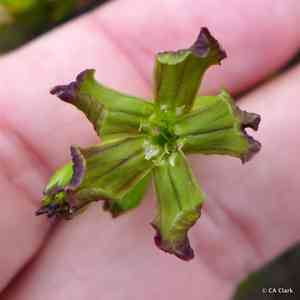
Alpine catchfly is a unique botanical specimen featuring blossoms ranging from pink to purple, primarily reproduced through seeding. Proper soil aeration is crucial, and subjecting seeds to cold stratification can boost their sprouting success. Gently blanket the seeds with earth, ensuring they remain damp yet not oversaturated. Guarantee the seeds receive adequate light for peak germination. Consistent observation and care, including the thinning of young plants, will foster robust development.
Optimal Period for Alpine Catchfly Propagation
Propagation Method
Seeding
Propagation Period
Spring
Tools Required for Alpine Catchfly Propagation
Seed trays
These serve as the primary vessels for germinating alpine catchfly seeds. Seed trays offer a controlled setting for sprouting, ensuring seedlings have ample room and nutrients for robust root development. Their design promotes uniform moisture distribution and effective drainage, both vital for young seedlings' health.
Seed compost
Seed compost is a specialized soil blend, finely ground and free of large particles. This creates an ideal medium for alpine catchfly seeds to sprout, facilitating good root penetration and adequate drainage, which are crucial for preventing ailments like damping-off.
Propagation lids or domes
These clear covers maintain humidity and warmth around seed trays, creating a miniature greenhouse effect. This is especially beneficial for alpine catchfly, ensuring a stable, moist environment that supports successful germination.
Seed dibber
A small implement used to create uniform depressions in the compost for seed placement. It aids in positioning alpine catchfly's seeds at the correct depth, ensuring optimal conditions for germination.
Heating mat
Particularly vital in cooler climates, a heating mat placed beneath seed trays can provide consistent warmth. This encourages faster germination of alpine catchfly's seeds by maintaining the ideal soil temperature.
Label markers
These are essential for tracking different seedlings, especially when cultivating multiple varieties. Proper labeling ensures you can differentiate alpine catchfly from other plants and accurately monitor its progress.
Watering can with fine rose
A watering can fitted with a fine rose attachment gently irrigates seedlings without dislodging them or compacting the soil. This ensures alpine catchfly receives the appropriate moisture levels necessary for healthy growth.
Grow lights
If natural sunlight is insufficient, grow lights can supply the necessary light spectrum for photosynthesis. This ensures alpine catchfly develops strong, healthy seedlings even in low-light conditions.
Fine seed tweezers
These assist in precisely handling small seeds. Given the delicate nature of alpine catchfly's seeds, using tweezers ensures accurate placement in the seed tray, minimizing damage or loss.
How to Propagate Alpine Catchfly?
Propagation Method
Simple
Post-Propagation Care for Alpine Catchfly
Post-Propagation Care for Alpine Catchfly
Following transplantation, water alpine catchfly regularly, but allow the soil to dry between waterings to prevent root rot. Position plants in an area receiving full sun to partial shade. Apply a balanced, slow-release fertilizer at the start of the growing season to encourage healthy development. Periodically check for pests and diseases, and prune any dead or damaged foliage to promote vigorous growth.
Common Errors to Avoid When Propagating Alpine Catchfly
Overwatering
Excessive moisture can lead to root decay, hindering the plant's nutrient absorption and potentially killing young plants.
Poor Soil Drainage
Utilizing dense or poorly draining soil can suffocate roots and foster fungal infections.
Insufficient Light
Lack of adequate light can result in weak, elongated growth and poor blooming, affecting the plant's ability to flourish.
Overcrowded Planting
Planting too closely can promote disease spread and restrict air circulation, impeding growth.
Incorrect Temperature
Exposure to unsuitable temperature ranges can stress the plant, leading to poor growth and increased susceptibility to disease.
Advice for Propagating Alpine Catchfly
Well-Draining Soil
Employ a sandy or gritty soil mix to ensure proper drainage, reducing the risk of root rot.
Moderate Watering
Water the plant thoroughly but allow the soil to dry out between waterings to prevent overwatering issues.
Adequate Light
Provide bright, indirect light to support strong, healthy growth and encourage flowering.
Proper Spacing
Allow sufficient distance between plants to enhance air circulation and minimize the spread of diseases.
Stable Temperature
Maintain a consistent temperature that meets the plant's requirements to promote steady growth and reduce stress.



