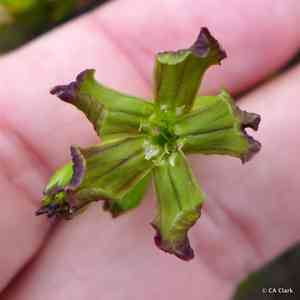
Alpine catchfly (Silene struthioloides)
Also known as: Not available
The alpine catchfly (Silene suecica) features clusters of vibrant flowers, typically in shades of pink to reddish-purple. A distinctive characteristic is its deeply lobed petals, which can appear fringed or notched. Blooming season generally spans from June to August, aligning with the plant's adaptation to alpine and arctic climates. The plant's slender, erect stems reach up to 20 cm in height, and its narrow, lance-shaped leaves are designed to optimize light absorption, showcasing its ability to flourish in its specific ecological niche.
In This Article
Attributes of Alpine catchfly
Lifespan
Perennial
Plant Type
Herb
Plant Height
10-30 cm
Spread
Not applicable
Leaf Color
Bright green
Flower Size
1-1.5 cm
Flower Color
White
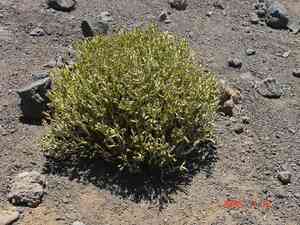
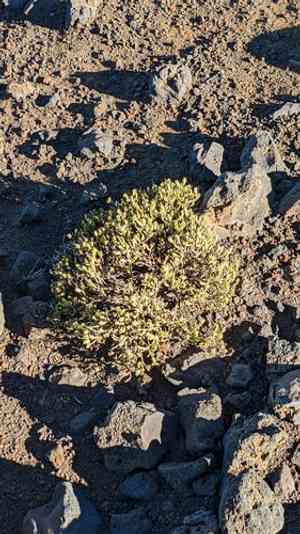
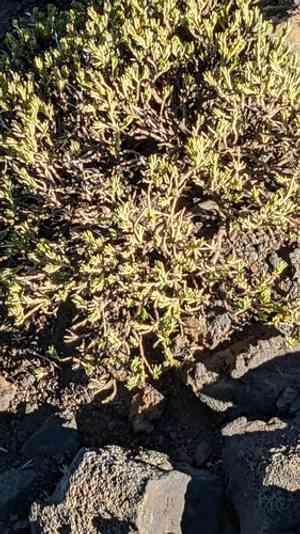
Images of Alpine catchfly
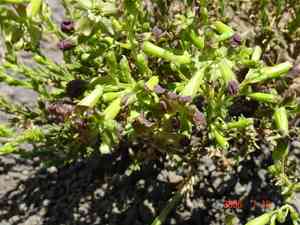
Quickly Identify Alpine catchfly
1
Silene struthioloides can be identified by its slender, upright stems, its bright green, narrow leaves, and its small, clustered white flowers with deeply lobed petals.
Scientific Classification of Alpine catchfly
Phylum
Vascular plants
Class
Dicotyledons
Order
Caryophyllales
Family
Pink
Genus
Campions
Species
Alpine catchfly
Planting and Growing of Alpine catchfly
Care Difficulty
Moderate
Watering Schedule
Every 3 days
Sunlight Requirements
Full sun
Sunshine Duration
4-8 hours
Ideal Temperature
60-75℉
Soil Type
Potting Mix, Peat Mix
Soil pH
6.5-7.5
Fertilizer Type
Balanced
Pruning Season
Spring, Summer
Pruning Area
Branches, Leaves
Pruning Frequency
2 times a year
Repotting Season
Spring
Pot Type
Plastic, Ceramic
 How to Water Alpine catchfly?
For Silene struthioloides, it's vital to water until the soil is consistently moist but never waterlogged. Ensure that water reaches the root zone, typically requiring about 500 ml of water per session, depending on the pot size.
What are the symptoms of an underwatered Alpine catchfly?
›
What should I do if my Alpine catchfly is not getting enough water?
›
What are the symptoms of an overwatered Alpine catchfly?
›
How to save an overwatered Alpine catchfly?
›
 What Are the Sunlight Requirements for Alpine catchfly?
Silene struthioloides thrives best with a mix of full and partial sun. Ideal light promotes healthy growth patterns, increases flowering, and enhances foliage color and density.
What is the ideal amount of sunlight?
›
How can one achieve the ideal light conditions?
›
What benefits come from ideal lighting?
›
 What Is the Ideal Temperature Range for Alpine catchfly?
The ideal temperature range for Silene struthioloides is between 60°F and 75°F. This range facilitates optimum photosynthesis and metabolic activities essential for healthy growth. Maintaining this temperature ensures that the plant grows with vibrant foliage and frequent blooming, completing its life cycle efficiently.
 What Soil is Best for Alpine catchfly?
Silene struthioloides thrives best in soil that drains well. This type of soil prevents waterlogging, which can lead to root rot and other detrimental conditions for the plant. Ensuring proper drainage improves root health and boosts overall plant vigor. This plant benefits from soil that is rich in organic matter and nutrients. Incorporating compost or well-rotted manure can supply essential nutrients, promoting robust growth and enhancing flowering potential. The plant requires soil that maintains consistent moisture but is not waterlogged. Mulching can help retain moisture, reduce evaporation, and stabilize soil temperature, creating an ideal growing environment.
 How to Fertilize Alpine catchfly?
For Silene struthioloides, the recommended amount of fertilizer should be moderate, ensuring not to overwhelm its root system. A balanced 10-10-10 liquid fertilizer should be diluted to half strength, approximately 5mL per liter of water. For slow-release granules, use about 25 grams per square meter.
 How to Prune Alpine catchfly?
Begin by inspecting the plant to identify any dead or diseased parts. Remove these branches and stems to improve the overall health and appearance of the plant. Trim the plant to maintain its desired shape. Focus on evenly distributing cuts to retain its natural growth pattern while keeping the plant aesthetically pleasing. After pruning, collect and dispose of all plant debris properly. This helps prevent the spread of diseases and keeps the garden tidy and well-maintained.
More About Pruning Techniques→
 How to Propagate Alpine catchfly plant?
1
To propagate using seeds, first collect mature seeds from the plant. Start by cleaning the seeds to remove any debris and then stratify them by keeping them in a fridge for a few weeks, mimicking winter conditions to promote germination.
2
Choose healthy, young shoots from the parent plant and cut them at a 45-degree angle to increase the surface area for rooting. Make sure each cutting has at least two nodes and remove the leaves from the lower part.
3
For division propagation, carefully dig around the plant to lift the root clump, ensuring minimal damage. Using a clean knife, divide the root ball into sections with roots and shoots, and replant them immediately.
 How to Repot Alpine catchfly plant?
1
Silene struthioloides shows signs of needing repotting when its roots start growing out of the drainage holes or when the growth is stunted despite proper care. The ideal time to repot is in spring or autumn when the plant experiences mild temperature and less stress, helping it to recover faster.
2
Select a pot that is one size larger than the current one with good drainage holes. This allows room for root growth while preventing waterlogging, which could lead to root rot. A pot that's too large can retain excess moisture, hindering the plant's health.
3
A well-draining sandy mix is crucial for Silene struthioloides as it mimics its natural habitat. This soil type ensures excess water flows away quickly, preventing root rot while maintaining a balanced moisture level that's easy for the roots to access.
Learn More About Alpine catchfly Diseases
Anthracnose
Bacterial Leaf Spot
Bacterial Soft Rot
Chemical Injury
Damping-off
Downy Mildew
Drought Stress
Fusarium Wilt
Gray Mold
Leaf Spot
Mosaic
Nutrient Deficiency
Nutrient Toxicity
Powdery Mildew
Root Rot
Root-knot Nematode
Rusts
Sooty Mold
Spider Mites
Temperature Stress
Thrips Damage
White Mold



