How to Prune Alpine catchfly?
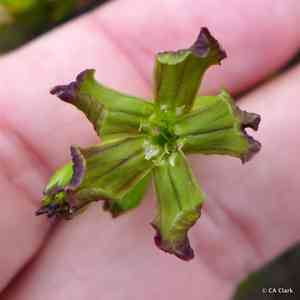
Alpine catchfly, recognized for its vivid blossoms and high-altitude resilience, thrives with trimming in early spring or late winter. Shortening stems by a third of their size encourages fresh development and more flowers. Eliminate any withered or compromised stems to preserve the plant's well-being. Verify that instruments are sanitized to avert illness. Trimming aids in preserving a dense form and prolongs the flowering season. Consistent observation and opportune pruning enhance the plant's general vitality and visual attractiveness.
What Are the Benefits of Pruning Alpine Catchfly?
What Are the Benefits of Pruning Alpine Catchfly?
Trimming alpine catchfly encourages robust development, maintains its form, and boosts flowering. Eliminating dead or damaged sections prevents pest and pathogen infestations, leading to healthier, stronger plants. Consistent pruning fosters a compact structure and sustained vigor.
What Is the Best Time for Pruning Alpine Catchfly?
What Is the Best Time for Pruning Alpine Catchfly?
Early spring and late winter are considered optimal times to prune alpine catchfly, as these periods coincide with the plant's dormant state or initial growth phase. Pruning at these times minimizes disease risk and allows alpine catchfly to channel energy into new growth as the active season commences. Furthermore, late winter trimming ensures any damage from cold weather can be addressed before the full growth cycle resumes in spring.
What Tools Do I Need to Prune Alpine Catchfly?
Bypass Pruners
Perfect for precise cuts on alpine catchfly's delicate, slender stems. Bypass pruners reduce harm because the blade slices cleanly instead of crushing plant tissue.
Pruning Shears
Useful for trimming multiple stems simultaneously. They are robust and can handle medium-sized stems that bypass pruners might find challenging.
Handheld Snips
Ideal for delicate and detailed tasks, such as deadheading spent blooms or removing smaller, tender stems without harming new growth.
Pruning Saw
Though seldom required, possessing a small pruning saw can assist in managing any woody stems that may develop over time.
How to Prune Alpine Catchfly
Inspect
Examine alpine catchfly for any indications of diseased or withered foliage. These typically appear discolored, wilted, or show spots.
Tools Preparation
Sanitize your pruning shears or scissors to prevent disease transmission. A solution of 1-part bleach to 9-parts water works effectively.
Remove Diseased Leaves
Carefully cut off any diseased leaves close to the base or at their attachment point without harming healthy sections.
Remove Withered Leaves
Trim withered or dead leaves similarly, ensuring a clean cut to encourage healthy new growth.
Disposal
Properly discard the removed leaves to prevent any potential spread of disease. Do not compost these leaves.
Common Pruning Mistakes with Alpine Catchfly
Improper Technique
Using dull or unsterilized tools, making ragged cuts, or damaging the main stems can impede alpine catchfly's growth and make it vulnerable to disease.
Over-Pruning
Removing too much foliage can diminish the plant's capacity for photosynthesis, stressing alpine catchfly and affecting its overall health.
Under-Pruning
Failing to remove dead or diseased parts can lead to poor air circulation and potential fungal issues, negatively impacting alpine catchfly's vitality.
Common Pruning Tips for Alpine Catchfly
Clean Tools
Always use sharp and sterilized pruning shears to make clean cuts and minimize the risk of infections in alpine catchfly.
Moderate Pruning
Focus on removing dead, damaged, or diseased stems and leaves. This allows alpine catchfly to direct its energy towards healthy growth without over-stressing the plant.
Proper Cuts
Make cuts at a 45-degree angle just above a node or leaf bud to promote healing and new growth in alpine catchfly.
Regular Inspections
Regularly inspect alpine catchfly to quickly identify and address any issues. Pruning should be done thoughtfully and as needed to encourage optimal plant health and blooming.



