How to Transplant Royal catchfly?
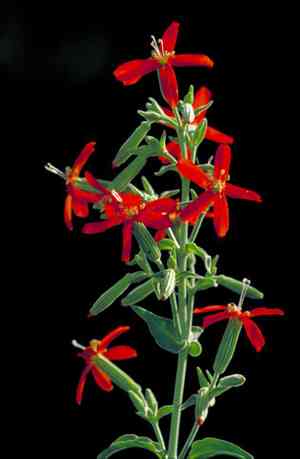
The most favorable period for relocating Royal catchfly is from the beginning to the middle of spring, as the climate aids in root development prior to the summer's warmth. Position it in a sun-exposed area featuring soil that drains effectively. Confirm the chosen spot offers protection from powerful gusts for peak development.
What Preparations are Needed Before Transplanting Royal Catchfly?
What is the Ideal Time for Transplanting Royal Catchfly?
The best time to move royal catchfly is from early to late spring. During this period, the ground is manageable, temperatures are mild, and the plant can establish roots prior to summer's heat. Spring transplanting promotes vigorous growth and flowering, leveraging increased daylight and stable moisture for a flourishing perennial garden.
How Much Space Should You Leave Between Royal Catchfly Plants?
When transplanting royal catchfly, position plants 18-24 inches (45-60 cm) apart. This spacing guarantees ample room for development and prevents competition for nutrients or sunlight.
What is the Best Soil Mix for Royal Catchfly Transplanting?
Prepare well-draining soil with a pH ranging from slightly acidic to neutral (6.0-7.0). Enhance it by incorporating compost or a balanced, all-purpose fertilizer to support royal catchfly's growth.
Where Should You Relocate Your Royal Catchfly?
Royal catchfly thrives in full sun, so choose a spot where they will receive at least 6 hours of direct sunlight daily. This will encourage abundant blooms and maintain their health.
What Equipments Should You Prepare Before Transplantation Royal Catchfly?
Gardening Gloves
To safeguard your hands when handling soil and plants.
Shovel or Spade
For digging and lifting the plant during its removal.
Hand Trowel
Useful for smaller, more delicate tasks around the plant's root system.
Watering Can or Hose
To hydrate the plant before and after its relocation.
Wheelbarrow
To move the plant if it is large or heavy.
Mulch
To help retain soil moisture and regulate temperature post-transplant.
How Do You Remove Royal Catchfly from the Soil?
How Do You Remove Royal Catchfly from the Soil?
From Ground: First, water the royal catchfly to moisten the soil. Then, dig a wide trench around the plant with a shovel or spade, ensuring the root ball stays intact. Carefully work the spade beneath the root ball to lift the plant from its original spot.From Pot: Gently water the royal catchfly in its container. Tilt the pot and tap the bottom to carefully loosen the soil and roots. Slowly slide the plant out, making sure to support the root ball to prevent damage.From Seedling Tray: Lightly water the seedlings. Use a hand trowel to gently lift each royal catchfly seedling from the tray, ensuring as much of the root system as possible remains intact.
Step-by-Step Guide for Transplanting Royal Catchfly
Site Preparation
Prepare the new planting site by digging a hole slightly larger than the royal catchfly's root ball.
Gentle Handling
Carefully move the royal catchfly to its new location, avoiding any disturbance to the root ball.
Planting
Place the royal catchfly into the prepared hole, ensuring it sits at the same depth as it was previously growing. Backfill the gaps with soil.
Watering
Thoroughly water the royal catchfly to help settle the soil around its roots and eliminate air pockets.
Mulching
Apply a layer of mulch around the base of the royal catchfly to conserve moisture and protect its roots.
How Do You Care For Royal Catchfly After Transplanting?
Watering
Keep the soil around the royal catchfly consistently moist, but not waterlogged, for the initial weeks post-transplant to aid in developing strong roots.
Monitoring
Check for any indications of transplant shock, such as wilting or discoloration. If observed, provide extra care like additional watering or shading.
Weeding
Remove any weeds near the base of the royal catchfly to lessen competition for nutrients and water.
Fertilization
Wait a few weeks after transplanting before applying any fertilizer to prevent root burn. Use a balanced, slow-release fertilizer for optimal results.
Troubleshooting Common Issues with Royal Catchfly Transplantation.
When is the best time to transplant royal catchfly?
The optimal period to transplant royal catchfly is from early spring to late spring for best results.
How much space should be provided when transplanting royal catchfly?
Ensure a spacing of 18-24 inches (45-60 cm) between each royal catchfly transplant.
How to prepare the soil for transplanting royal catchfly?
Loosen soil to a depth of 12 inches (30 cm) and mix in compost for fertility.
What should I do if royal catchfly shows signs of transplant shock?
Water the plant thoroughly and provide shade. Ensure the soil stays moist but not waterlogged.
How do I handle root-bound royal catchfly during transplanting?
Gently tease apart the roots before planting to encourage them to spread out in the soil.
Why are my transplanted royal catchfly plants wilting?
Wilting may be due to insufficient watering. Ensure consistent moisture, especially in the first weeks.
What should I do if pests attack my transplanted royal catchfly?
Inspect plants regularly and use natural insecticides or introduce beneficial insects to manage pests.
How can I ensure royal catchfly plants establish well post-transplant?
Water regularly for the first few weeks and mulch to retain soil moisture and regulate temperature.
Is fertilization necessary immediately after transplanting royal catchfly?
Avoid fertilizing immediately. Wait until the plant shows new growth, then apply a balanced fertilizer.
How deep should I plant royal catchfly during transplanting?
Plant royal catchfly so that the crown is level with the soil surface to avoid rot.



