How to Propagate Royal catchfly?
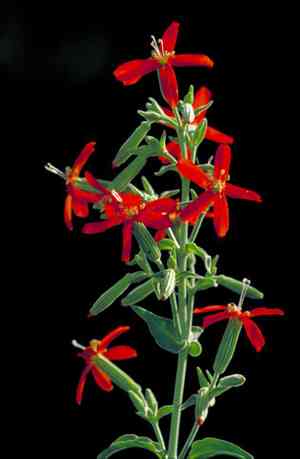
Silene regia, a striking, lofty perennial, is primarily recognized for its brilliant crimson blossoms. For propagation, stem cuttings are quite successful. Choose robust, non-blooming stems meticulously during periods of vigorous development. Employ a keen, sanitized instrument to sever sections, each possessing multiple leaf nodes. Insert these into a well-aerated, damp substrate, guaranteeing elevated humidity and diffused illumination to aid in root formation. Diligent attention during the rooting stage is essential for vigorous development.
Optimal Time for Royal Catchfly Propagation
Propagation Method
Cutting
Propagation Period
Spring,Summer
Tools for Royal Catchfly Propagation
Sharp pruning shears
These tools are specifically designed for making clean, precise cuts, which are vital for harvesting royal catchfly cuttings. They minimize harm to the parent plant and promote faster recovery. Utilizing sharp, sanitized pruning shears lowers the risk of introducing pathogens during the cutting process, which is essential for the health and viability of both the parent plant and the cutting.
Rooting hormone
This substance is applied to the base of the cutting to stimulate root development and improve the overall propagation success rate. The rooting hormone encourages root cell formation in royal catchfly cuttings at the basal end, which is crucial for establishing a robust root system in a new environment.
Sterilized planting containers
These vessels offer a clean, controlled setting for rooting royal catchfly cuttings. Sterility is critical for preventing fungal and bacterial infections, to which cuttings are particularly vulnerable after being cut. Using these containers helps ensure a healthy development phase until the plant is mature enough for transplanting.
Well-draining potting mix
This type of substrate allows excess water to drain efficiently, significantly reducing the risk of rot and other moisture-related diseases in royal catchfly cuttings. The mix should be light and permit proper aeration, which encourages the development of a strong root system.
Humidity dome or plastic wrap
Maintaining a high humidity environment is essential for the initial stages of rooting royal catchfly cuttings. This tool helps prevent moisture loss and mimics natural humid conditions, which can greatly enhance the chances of successful propagation by keeping the cutting in an optimal moisture balance until roots form.
Propagating Royal Catchfly
Propagation Type
Easy
Post-Propagation Care for Royal Catchfly
How to Care for Your Newly Propagated Royal Catchfly?
Once royal catchfly cuttings have rooted and been transplanted, continue to provide bright, indirect light and maintain consistently moist, but not waterlogged, soil. Fertilize with a balanced, water-soluble fertilizer every 4-6 weeks during the growing season. As royal catchfly matures, prune to maintain its shape and encourage bushier growth. Monitor for pests and diseases, and take appropriate measures to ensure long-term health and vigor.
Common Errors to Avoid When Propagating Royal Catchfly
Overwatering
Excessive moisture can lead to root rot, which damages or kills royal catchfly. The plant prefers well-drained soil conditions.
Poor Soil Preparation
Using soil with inadequate drainage or low fertility can impede root development and growth.
Insufficient Sunlight
Providing too little light results in weak and leggy growth, as royal catchfly thrives in full sun.
Incorrect Cutting Technique
Improperly taking cuttings or harming the parent plant can decrease the success rate and injure the plant.
Neglecting Pests and Diseases
Failing to monitor for pests or diseases can lead to infestations or infections that stunt growth or kill the plant.
Advice for Propagating Royal Catchfly
Use Well-Draining Soil
Ensure the soil drains effectively to prevent root rot and provide a healthy growing environment.
Maintain Moderate Moisture
Keep the soil moderately moist but not waterlogged to support healthy root development.
Provide Full Sun
Plant in an area where royal catchfly will receive ample sunlight, ideally at least 6 hours of direct light daily.
Clean Cutting Tools
Use sterilized tools when taking cuttings to prevent disease spread and increase propagation success.
Monitor for Pests
Regularly check for pests and treat any infestations promptly to ensure healthy growth and development.



