How to Prune Royal catchfly?
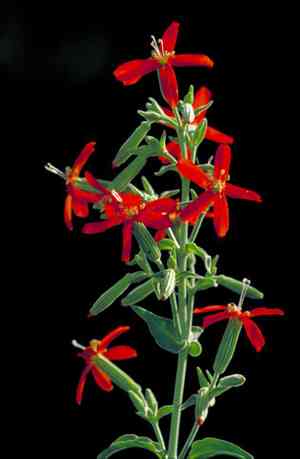
The royal catchfly, a notable perennial recognized for its vivid crimson blossoms and impressive height, greatly thrives with proper trimming. The most suitable times for pruning are in late spring or early summer, once the flowering period concludes. Remove faded blooms to stimulate additional flowering and preserve the plant's form. This action not only fosters a more vigorous subsequent bloom but also deters self-propagation, which could result in excessive density. Consistent pruning improves air movement and general plant well-being, guaranteeing the royal catchfly's sustained brilliance.
What Are the Benefits of Pruning Royal Catchfly?
What Are the Benefits of Pruning Royal Catchfly?
Trimming royal catchfly encourages robust development and maintains its desired form. Regular trimming aids in removing old or overgrown stalks, fostering newer, healthier growth which enhances the plant's overall look and vigor.
What Is the Best Time for Pruning Royal Catchfly?
What Is the Best Time for Pruning Royal Catchfly?
Trimming royal catchfly in early Spring or early Summer is advantageous as it coincides with the plant's active growth period, allowing for rapid recovery and energy redirection into producing strong new growth. Post-winter trimming helps eliminate any dead or damaged stems resulting from the cold season, which assists in preventing disease and pests. Furthermore, early Summer trimming, immediately after the initial flush of blooms, promotes a healthier plant structure and potentially a second flowering, boosting vigor and aesthetic appeal while reducing the risk of fungal infections often linked to late-season high humidity.
What Tools Do I Need to Prune Royal Catchfly?
Hand Pruners
Perfect for making precise cuts on royal catchfly, hand pruners enable gardeners to selectively remove dead or overgrown stems without harming the rest of the plant. Opting for bypass pruners over anvil-style ensures a cleaner cut that promotes faster healing.
Floral Snips
These are especially useful for deadheading the spent flowers of royal catchfly during its blooming period. Their smaller, sharp blades offer accuracy in confined spaces, crucial for preserving the aesthetic appeal of royal catchfly.
Gardening Gloves
Though not a cutting implement, gloves are vital when trimming royal catchfly to safeguard the gardener's hands from thorns and other irritants.
Garden Shears
For shaping and managing the growth of royal catchfly, particularly in borders or garden beds, garden shears can provide a quick and efficient method to trim edges and maintain balanced, dense foliage.
How to Prune Royal Catchfly
Identify
Identify and evaluate the health of royal catchfly. Look for any indications of diseases or wilting on the leaves and stems. Carefully inspect all parts of royal catchfly to determine which areas require attention.
Prepare
Prepare your tools for trimming royal catchfly. Use clean, sharp pruning shears or scissors. Sanitize your tools before use to prevent the spread of disease among your plants.
Remove diseased leaves
Carefully remove all diseased and withered leaves from royal catchfly. Make clean cuts at the base of the undesirable leaves to avoid damage to the healthy parts.
Prune diseased stems
Trim diseased stems of royal catchfly. Cut back the infected stems to a healthy section, ensuring each cut is just above a leaf node or a branching point to encourage healthy regrowth.
Dispose
Properly dispose of all removed parts. Do not compost diseased material as this can lead to re-infection. Dispose of all waste in a way that prevents any disease from spreading.
Common Pruning Mistakes with Royal Catchfly
Overpruning
A frequent error is removing too much growth from royal catchfly, which can weaken the plant. Typically, cutting back more than one-third of the plant can stress royal catchfly and diminish its vitality.
Improper technique
Using dull or unsanitized pruning tools can harm the stems of royal catchfly, potentially leading to disease. It's essential to make clean, angled cuts to promote rapid and healthy healing.
Ignoring plant form
Some gardeners mistakenly trim royal catchfly without considering its natural shape, disrupting its aesthetic appeal and potentially its health. It's crucial to maintain the inherent form of royal catchfly while pruning.
Common Pruning Tips for Royal Catchfly
Sterilize tools
Before trimming royal catchfly, always disinfect your tools. This prevents the spread of disease between plants. Use a solution of bleach and water or rubbing alcohol to sanitize your pruning shears.
Selective thinning
To ensure royal catchfly has good air circulation and light penetration, which are vital for its health and flowering, remove only the oldest and most overcrowded stems. Aim to thin the plant rather than shear it.
Post-bloom pruning
After royal catchfly finishes flowering, cut back the flower stems to help encourage bushiness and possibly a second bloom. This method helps invigorate royal catchfly and keeps it looking neat.



