How to Transplant Yellowgreen catchfly?
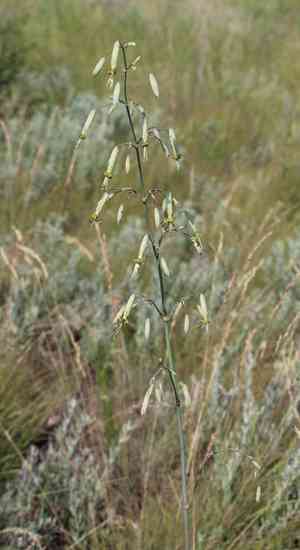
Yellowgreen catchfly flourishes when relocated between early and late spring or during winter, since these intervals minimize stress on the specimen. Optimal site conditions involve permeable soil and exposure to partial to full solar illumination. Exercise caution when manipulating the root system to guarantee successful integration.
What Preparations are Needed Before Transplanting Yellowgreen Catchfly?
What is the Ideal Time for Transplanting Yellowgreen Catchfly?
The best times to move yellowgreen catchfly, a perennial, are from early to late spring and from early to late winter. These periods allow the plant to establish roots before summer's intense heat or winter's deep cold, boosting its survival and promoting strong development. Transplanting then takes advantage of mild temperatures and sufficient moisture.
How Much Space Should You Leave Between Yellowgreen Catchfly Plants?
When preparing to transplant yellowgreen catchfly, ensure each plant is spaced 12-18 inches (30-45 cm) apart. This provides ample room for growth without competition for resources.
What is the Best Soil Mix for Yellowgreen Catchfly Transplanting?
For yellowgreen catchfly, aim for soil that drains well. You can enhance drainage by incorporating compost or aged manure. Before planting, mix in a balanced, slow-release fertilizer to aid in a strong start.
Where Should You Relocate Your Yellowgreen Catchfly?
Yellowgreen catchfly thrives in sunlight! Select a garden spot that receives at least 6 hours of full sun daily. This will ensure your plants flourish and produce beautiful blooms.
What Equipments Should You Prepare Before Transplantation Yellowgreen Catchfly?
Gardening Gloves
To safeguard your hands while handling soil and plants.
Garden Spade or Shovel
For digging and lifting the plant from its initial spot.
Trowel
For more precise digging tasks and planting in the new location.
Watering Can or Hose
To hydrate the plant before and after its relocation.
Organic Mulch
To help retain moisture and prevent weeds around the newly planted specimen.
Pruners
For trimming any damaged roots or foliage during the transplanting process.
Measuring Tape
To ensure correct spacing at the new planting site.
How Do You Remove Yellowgreen Catchfly from the Soil?
How Do You Remove Yellowgreen Catchfly from the Soil?
From Ground: First, moisten the soil around the yellowgreen catchfly plant. Then, dig a wide trench around it with a shovel or spade, keeping the root ball intact. Carefully work the spade beneath the root ball to lift the plant.From Pot: Gently water the yellowgreen catchfly plant to soften the soil. Tip the pot on its side and carefully tap to loosen the root ball. Hold the plant at its base and slowly slide it out, being careful not to harm the roots.From Seedling Tray: Water the seedlings in the tray to make the soil damp. Use a trowel or your fingers to gently lift each seedling, holding them by the leaves and ensuring the roots remain undamaged.
Step-by-Step Guide for Transplanting Yellowgreen Catchfly
Site Selection
Choose a spot with adequate sunlight and room for your yellowgreen catchfly plant to reach its full size.
Preparing the Soil
Loosen the soil in the planting area and amend with compost if needed to create a rich, well-draining bed.
Digging the Hole
Excavate a hole in the new location that is twice as wide and as deep as the yellowgreen catchfly plant's root ball.
Plant Placement
Position the yellowgreen catchfly plant in the hole at the same depth it was previously growing, ensuring the top of the root ball is level with the ground surface.
Backfilling and Watering
Refill the hole with soil, gently firming it around the root ball to eliminate air pockets. Water thoroughly after planting to help settle the soil.
Mulching
Apply a 2-3 inch layer of organic mulch around the plant's base to help retain moisture and deter weeds.
How Do You Care For Yellowgreen Catchfly After Transplanting?
Watering
Keep the soil around the yellowgreen catchfly consistently moist, but not waterlogged, for the initial weeks post-transplant to aid in strong root establishment.
Shading
If the weather is particularly hot or sunny, provide temporary shade to shield the yellowgreen catchfly from transplant shock until it has settled in.
Monitoring
Regularly check for signs of stress like wilting or yellowing leaves, and adjust care as necessary.
Troubleshooting Common Issues with Yellowgreen Catchfly Transplantation.
When is the best time to transplant yellowgreen catchfly?
Early to late spring or early to late winter is ideal for relocating yellowgreen catchfly.
How much space should be between each yellowgreen catchfly plant?
Ensure 12-18 inches (30-45 cm) of space between each yellowgreen catchfly plant for optimal growth.
What type of soil is best for transplanting yellowgreen catchfly?
Use well-draining soil with good organic content to ensure healthy growth of transplanted yellowgreen catchfly.
How do I avoid transplant shock for yellowgreen catchfly?
Water yellowgreen catchfly thoroughly before and after transplanting. Avoid extreme weather conditions during transplanting.
Should I prune yellowgreen catchfly before transplanting?
Prune dead or damaged leaves before transplanting yellowgreen catchfly to reduce stress on the plant.
How deep should I plant yellowgreen catchfly during transplanting?
Plant yellowgreen catchfly at the same depth it was originally growing to prevent root stress.
How often should I water yellowgreen catchfly after transplanting?
Water yellowgreen catchfly regularly, keeping the soil moist but not waterlogged, for the first few weeks.
Do I need to fertilize yellowgreen catchfly after transplanting?
Use a balanced, slow-release fertilizer after transplanting yellowgreen catchfly to encourage healthy root development.
How do I protect yellowgreen catchfly from pests after transplanting?
Monitor yellowgreen catchfly regularly for pests. Use organic insecticides or natural predators to keep pests at bay.
Why are the leaves of yellowgreen catchfly turning yellow after transplanting?
Yellow leaves on yellowgreen catchfly may indicate overwatering or poor soil drainage. Adjust watering practices accordingly.



