How to Propagate Yellowgreen catchfly?
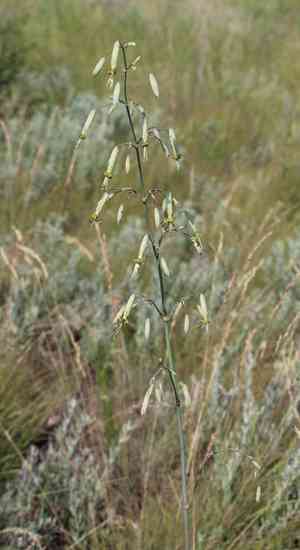
Silene flava flourishes in permeable soil that receives sufficient sunlight. For propagation, plant seeds directly into the ground and ensure continuous dampness until sprouting. Employing a finely textured soil blend can assist in the growth of seedlings. Positioning them in protected spots can shield nascent plants from severe weather, fostering a robust beginning. Consistent inspection for insects and ailments is crucial. Optimal outcomes are achieved through diligent attention and proper soil conditioning.
Optimal Period for Yellowgreen Catchfly Propagation
Propagation Method
Seeding
Propagation Period
Spring
Essential Tools for Yellowgreen Catchfly Propagation
Seed Tray
A seed tray is vital for planting yellowgreen catchfly seeds, offering a controlled setting for germination. It ensures even seed distribution and spacing, promoting ideal growth conditions.
Seed Starting Mix
This sterile, light blend is crucial for germinating yellowgreen catchfly seeds. It guarantees good drainage and air circulation, lowering disease risk and fostering robust root growth.
Spray Bottle
A spray bottle is useful for maintaining moisture levels in the seed tray without disturbing the soil or dislodging seeds, which is particularly important for the delicate yellowgreen catchfly seeds.
Heating Mat
A heating mat helps maintain a steady temperature, which is crucial for yellowgreen catchfly seed germination, especially in cooler climates or indoor environments.
Humidity Dome
A humidity dome placed over the seed tray creates a microclimate with elevated humidity, aiding the germination process and reducing the need for frequent watering of yellowgreen catchfly seeds.
Plant Labels
Using plant labels helps track various propagation stages and ensures you can distinguish yellowgreen catchfly from other seedlings. Accurate labeling is key for proper care and eventual planting.
Garden Trowel
A garden trowel is helpful for transplanting yellowgreen catchfly seedlings when they are ready for a larger pot or the ground. It minimizes root disturbance during this critical phase.
Fine Sieve
A fine sieve assists in uniformly covering yellowgreen catchfly seeds with a thin layer of soil or starting mix, preventing them from being buried too deeply, which can impede germination.
How to Propagate Yellowgreen Catchfly
Propagation Difficulty
Simple
Post-Propagation Care for Yellowgreen Catchfly
Post-Propagation Care for Yellowgreen Catchfly
After transplanting, ensure yellowgreen catchfly receives full sun to partial shade. Keep the soil consistently moist but not waterlogged. Mulch around the base to retain moisture and suppress weeds. Monitor for pests or diseases and treat as needed. Regularly deadhead spent flowers to encourage continuous blooming and prevent unwanted self-seeding. Fertilize lightly during the growing season to support healthy development and vibrant blooms.
Common Errors to Avoid When Propagating Yellowgreen Catchfly
Overwatering
Excessive moisture can lead to root rot and fungal diseases, which are detrimental to yellowgreen catchfly's health and propagation success.
Improper Soil Selection
Using soil that retains too much moisture can hinder root development and cause poor drainage, impacting plant growth.
Insufficient Lighting
Underestimating yellowgreen catchfly's light requirements can result in weak, leggy growth and poor overall plant health.
Incorrect Cutting Method
Taking cuttings improperly can damage the plant and reduce the chances of successful propagation.
Advice for Propagating Yellowgreen Catchfly
Well-Draining Soil
Utilize a soil mix that promotes excellent drainage to prevent waterlogging and root rot.
Adequate Light
Ensure yellowgreen catchfly receives ample light, ideally indirect sunlight, to support healthy growth during propagation.
Proper Watering
Water sparingly and ensure that the soil surface dries out between waterings to avoid root diseases.
Correct Cutting Method
Take cuttings with a sterilized tool, cutting just below a node and removing any lower leaves to improve rooting success.



