How to Prune Yellowgreen catchfly?
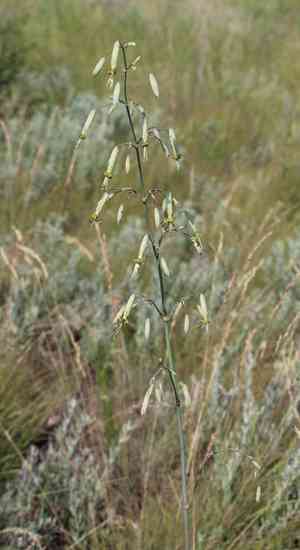
Yellowgreen catchfly, recognized for its chartreuse blossoms and resilient development, flourishes with appropriate trimming. Essential methods involve removing faded flowers and reducing congested stalks. The best times for pruning are during spring and summer, coinciding with yellowgreen catchfly's periods of vigorous growth. Trimming encourages more robust development and stimulates abundant blooming. Always use sanitized, sharp implements to avoid illness, and swiftly eliminate any impaired or infected sections. This cultivates a strong plant and elevates its aesthetic value.
What Are the Benefits of Pruning Yellowgreen Catchfly?
What Are the Benefits of Pruning Yellowgreen Catchfly?
Yellowgreen catchfly thrives with pruning, promoting vigorous growth and shape, enhancing blooms, managing size, and improving appearance. Pruning also aids in pest and disease resistance. Ensure precise and timely pruning for optimal health and aesthetic appeal.
What Is the Best Time for Pruning Yellowgreen Catchfly?
What Is the Best Time for Pruning Yellowgreen Catchfly?
Trimming or pruning yellowgreen catchfly during spring and summer is ideal, as it coincides with the plant's active growth phase. Spring pruning encourages robust new growth and helps shape the plant before it fully develops. Summer pruning allows for the removal of spent flowers, preventing self-seeding and fostering a neater look. Additionally, pruning in these seasons helps maintain overall plant health and vitality by directing energy to crucial growth areas.
What Tools Do I Need to Prune Yellowgreen Catchfly?
Hand Pruners (Bypass)
Perfect for clean cuts near the stem without crushing plant tissue. Bypass pruners are especially effective for trimming spent flowers and thinning out dense growth.
Pruning Shears
Useful for shaping yellowgreen catchfly and cutting longer, non-woody stems. These shears offer precision and control, essential for maintaining the plantâs form.
Precision Scissors
Excellent for delicate and detailed pruning tasks like deadheading flowers or removing smaller leaves without harming adjacent growth. Crucial for preserving the aesthetics of yellowgreen catchfly.
Small Pruning Saw
Though not always needed, a small pruning saw can be helpful for removing any thicker stems that have become woody over time. Ensures clean cuts on older growth.
How to Prune Yellowgreen Catchfly
Inspect
Carefully examine yellowgreen catchfly for any indications of disease or damage on its leaves and stems, particularly focusing on diseased leaves, withered leaves, and diseased stems.
Trim diseased leaves
Use sanitized pruning shears to cut away any diseased leaves at their base. Make clean cuts to prevent further disease spread.
Remove withered leaves
Prune off any withered leaves, cutting them close to their attachment points on the stem to encourage healthy new growth.
Cut diseased stems
Identify any diseased stems and cut them back to healthy tissue. Make the cut just above a healthy node or bud to promote proper healing.
Dispose properly
Dispose of all pruned diseased and withered plant material far from the garden area to prevent reinfection and maintain garden hygiene.
Common Pruning Mistakes with Yellowgreen Catchfly
Over-pruning
Excessive removal of the plant's foliage can lead to reduced flowering and potential stress on the plant. It's crucial to avoid cutting too much at once.
Improper Technique
Using dull or dirty pruning tools can cause damage to the plant. Make sure tools are sharp and clean to ensure smooth cuts.
Pruning at the Wrong Nodes
Cutting at incorrect points can hinder the plantâs growth. It is essential to understand the proper places to cut, which are typically just above a pair of leaves or buds.
Neglecting Diseased or Dead Parts
Failing to remove dead or diseased parts of the plant can lead to the spread of diseases and pests.
Ignoring Plant Form
Not maintaining the natural shape and form of yellowgreen catchfly can result in an unsightly and unhealthy plant.
Common Pruning Tips for Yellowgreen Catchfly
Selective Pruning
Focus on removing dead, damaged, or diseased stems and leaves first. This helps maintain plant health and prevents the spread of any potential issues.
Clean Cuts
Always use sharp, sterilized tools to make clean cuts. This minimizes damage and reduces the risk of disease.
Correct Positioning
When pruning yellowgreen catchfly, make cuts just above a pair of healthy leaves or outward-facing buds to promote new growth and better air circulation.
Regular Inspection
Regularly check yellowgreen catchfly for any signs of disease or damage and prune immediately to maintain plant health.
Moderation
Prune moderately and avoid removing more than a third of the plant at a time to prevent shock and encourage steady growth.



