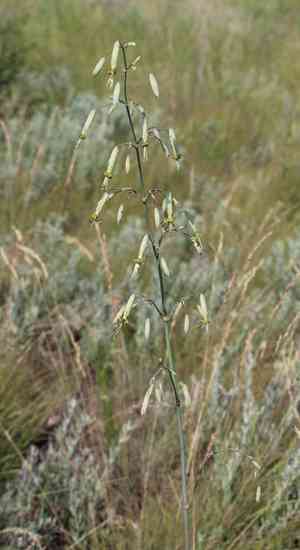
Yellowgreen catchfly (Silene chlorantha)
Also known as: Greenish Catchfly
The yellowgreen catchfly (Silene flavescens) features distinctive vibrant green floral bracts and flowers that range from white to pale green. This resilient perennial is well-suited to alpine meadows, where it benefits from cooler temperatures and well-drained soils. The plant's slender stems, generally reaching heights of 10-30 cm, are adorned with numerous delicate, star-shaped blooms that attract pollinators in its mountainous environment.
In This Article
Attributes of Yellowgreen catchfly
Lifespan
Perennial
Plant Type
Herb
Plant Height
20-50 cm
Spread
Not applicable
Leaf Color
Green
Flower Size
1-2 cm
Flower Color
Greenish-white
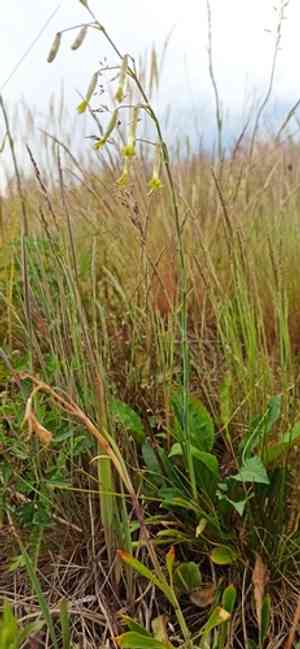
Images of Yellowgreen catchfly
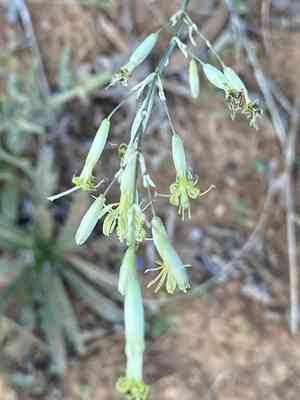
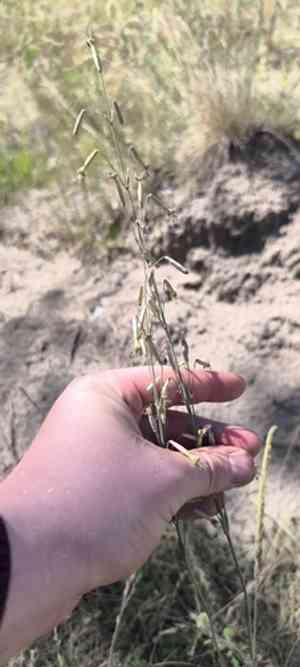
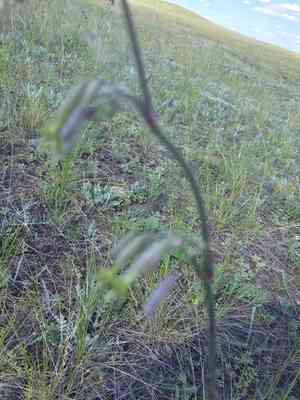
Quickly Identify Yellowgreen catchfly
1
This plant can be identified by its greenish flowers, which are less showy compared to other Silene species. The flowers typically have a greenish tint and are arranged in a cymose inflorescence.
Scientific Classification of Yellowgreen catchfly
Phylum
Vascular plants
Class
Dicotyledons
Order
Caryophyllales
Family
Pink
Genus
Campions
Species
Yellowgreen catchfly
Planting and Growing of Yellowgreen catchfly
Care Difficulty
Moderate
Watering Schedule
Every 2 days
Sunlight Requirements
Partial sun
Sunshine Duration
6-10 hours
Ideal Temperature
60-75℉
Soil Type
Potting Mix, Peat Mix
Soil pH
6.5-7.5
Fertilizer Type
Balanced
Pruning Season
Spring, Summer
Pruning Area
Branches, Leaves
Pruning Frequency
2 times a year
Repotting Season
Spring
Pot Type
Plastic, Ceramic
 How to Water Yellowgreen catchfly?
When watering Silene chlorantha, aim to moisten the soil without soaking it completely. Each watering session should provide about 250 ml of water. Ensure that the top inch of soil is nicely wet, allowing the plant to absorb moisture without sitting in a puddle, which can cause root rot.
What are the symptoms of an underwatered Yellowgreen catchfly?
›
What should I do if my Yellowgreen catchfly is not getting enough water?
›
What are the symptoms of an overwatered Yellowgreen catchfly?
›
How to save an overwatered Yellowgreen catchfly?
›
 What Are the Sunlight Requirements for Yellowgreen catchfly?
Partial sun exposure is ideal. This allows Silene chlorantha to gain sufficient light without the harshness of full sun exposure. The balanced light supports growth and flowering while minimizing stress.
What is the best spot for Silene chlorantha?
›
How can you ensure ideal lighting?
›
What benefits does optimal light provide?
›
 What Is the Ideal Temperature Range for Yellowgreen catchfly?
The ideal temperature range for Silene chlorantha is between 60°F and 75°F. Within this range, the plant can achieve optimal physiological processes, including photosynthesis and nutrient uptake. The moderate temperatures facilitate grow regulation and ensure healthy foliage development.
 What Soil is Best for Yellowgreen catchfly?
Silene chlorantha thrives in well-drained soil which prevents waterlogging and root rot. This type of soil ensures that the plant receives adequate air, promoting healthy root growth. The plant prefers soil rich in organic matter and nutrients. Such soil supports robust growth and vibrant flowering by providing essential minerals that are crucial for the plant's development. This species is adaptable to a pH range of 6.5 to 7.5, allowing it to access nutrients efficiently in neutral to slightly alkaline soil conditions. This pH range enhances nutrient uptake and metabolic activities in the plant.
 How to Fertilize Yellowgreen catchfly?
For Silene chlorantha, it's important to provide a moderate amount of fertilizer. Use about a tablespoon of balanced granular fertilizer per square foot of garden space for solid forms. Liquid fertilizers should be diluted to half the recommended strength to prevent root burn.
 How to Prune Yellowgreen catchfly?
Begin pruning by removing any diseased or dead stems at the base. This will prevent the spread of disease and encourage new growth. Always make cuts at an angle, which helps water run off and reduces the chance of rot. After removing unhealthy parts, shape the plant by trimming longer stems back to a desirable length. This balances the shape and energy distribution, encouraging your Silene chlorantha to fill out attractively and maintain robust flowering.
More About Pruning Techniques→
 How to Propagate Yellowgreen catchfly plant?
1
Before sowing, it's crucial to collect healthy seeds. Pre-soaking the seeds in water for 24 hours can promote faster germination by softening the seed coat. Sow them in a seed tray with a well-draining seed mix.
2
Choose healthy stems for cuttings. Cut about 4-6 inches below a node using clean, sharp shears. Remove the lower leaves, leaving just a few at the top, and dip the cut end in rooting hormone for better root development.
3
Select healthy mature plants to divide. Gently dig up the plant and separate the root ball into smaller sections, ensuring each part has roots attached. Replant the divisions appropriately, spacing them according to their mature size.
 How to Repot Yellowgreen catchfly plant?
1
Spot the telltale signs like roots tightly bound in the pot, slow growth, or the soil drying out quickly. These indicate it's high time Silene chlorantha finds a new home.
2
Pick a pot slightly larger than the existing one with good drainage holes. This ensures that water doesn’t get trapped and facilitates healthy root growth and breathing space for the plant.
3
Opt for well-drained, alkaline soil to mimic the natural habitat of Silene chlorantha. Such soil prevents root rot and allows for nutrient-rich support to optimize the plant's health.
Learn More About Yellowgreen catchfly Diseases
Anthracnose
Bacterial Leaf Spot
Bacterial Soft Rot
Bacterial Wilt
Black Spot
Chemical Injury
Crown Gall
Cyst Nematode
Damping-off
Downy Mildew
Drought Stress
Fusarium Wilt
Gray Mold
Leaf Spot
Mosaic
Nutrient Deficiency
Nutrient Toxicity
Powdery Mildew
Root Rot
Root-knot Nematode
Rusts
Sooty Mold
Spider Mites
Temperature Stress
Thrips Damage
White Mold



