How to Transplant Sticky catchfly?
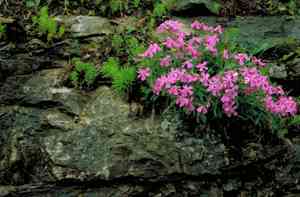
The optimal period for relocating sticky catchfly is from mid-spring to late spring, providing an ideal combination of warm earth and mild temperatures for root development. Select a spot featuring soil that drains effectively and receives either partial or full sun exposure. Should it be required, ensure the soil remains damp as sticky catchfly acclimates to its new environment.
What Preparations are Needed Before Transplanting Sticky Catchfly?
What is the Ideal Time for Transplanting Sticky Catchfly?
The optimal period for relocating sticky catchfly spans from the vigor of mid-spring to the onset of late spring. This timeframe provides an excellent combination of moderate temperatures and increasing daylight, both vital for the establishment and root development of sticky catchfly. Moving sticky catchfly during this window takes advantage of naturally moist soil, creating a supportive environment for roots to settle before the rigors of summer heat. A gentle reminder: patience in transplanting within this period guarantees strong growth, setting sticky catchfly on a path to flourishing beauty and health for upcoming seasons.
How Much Space Should You Leave Between Sticky Catchfly Plants?
Hello there, aspiring gardener! When moving sticky catchfly, it's crucial to ensure adequate spacing. Aim for a distance of 1-2 feet (approximately 30-60 cm). This provides ample room for development and prevents them from becoming too crowded.
What is the Best Soil Mix for Sticky Catchfly Transplanting?
For sticky catchfly, a well-draining, fertile soil is most suitable. And, remember, to give your plants a nourishing start; enrich the soil with a balanced base fertilizer prior to planting.
Where Should You Relocate Your Sticky Catchfly?
Sunlight is essential! Sticky catchfly thrives with ample sun, so select a spot that receives full to partial sun exposure. This will aid your future blooms in developing beautifully. Happy gardening!
What Equipments Should You Prepare Before Transplantation Sticky Catchfly?
Gardening Gloves
To safeguard your hands while handling soil and sticky catchfly.
Shovel or Spade
Necessary for excavating sticky catchfly from its current spot, as well as preparing the new planting site.
Hand Trowel
Useful for minor adjustments during the transplanting process.
Watering Can or Hose
Required to hydrate the plant before and after its relocation.
Gardening Fork
Helpful for loosening the soil around sticky catchfly prior to its removal.
Bucket or Plant Pot
For transporting sticky catchfly to its new home.
Manure or Organic Compost
To enrich the new location and encourage sticky catchfly growth.
How Do You Remove Sticky Catchfly from the Soil?
How Do You Remove Sticky Catchfly from the Soil?
From Ground: First, water your sticky catchfly to dampen the surrounding soil. This will facilitate digging and lessen stress on the root system. Next, use a shovel or spade to dig around the plant; maintain a safe distance from the base to avoid root damage. Carefully work the spade or fork beneath the root ball, and gently lift the plant from the ground.From Pot: Begin by watering the sticky catchfly until the soil is moist. Carefully invert the pot, while supporting the plant between your fingers. The plant should slide out easily; if not, lightly tap the bottom of the pot.From Seedling Tray: Water the seedlings. Using a dibber or your finger, push up from the drainage hole at the cell's bottom, while gently grasping the seedling's leaves and lifting it out of the cell. Avoid pulling on the stem or leaves.
Step-by-Step Guide for Transplanting Sticky Catchfly
Preparation
Begin by preparing the new planting location. Dig a hole that is twice as wide and equally as deep as sticky catchfly's root ball.
Placement
Position sticky catchfly in the center of the excavated hole. The top of the root ball should be level with the surrounding ground.
Backfilling
Refill the hole with the same soil you removed. Gently pat it around the base of sticky catchfly to eliminate any air pockets.
Watering
Thoroughly water the plant immediately after planting. The water will aid in settling the soil around the roots.
Settling
Allow sticky catchfly to acclimate to its new spot without disturbance for a few weeks.
How Do You Care For Sticky Catchfly After Transplanting?
Watering
Ensure the soil remains moderately moist, especially during the initial weeks after relocating sticky catchfly. Prevent overwatering, which can suffocate the roots.
Protection
Depending on your local climate, sticky catchfly may require safeguarding from extreme weather conditions. For example, a frost cloth can be used during cold, frosty nights.
General Inspection
Regularly examine sticky catchfly for indications of diseases or pest infestations. Early detection can lead to effective treatment.
Troubleshooting Common Issues with Sticky Catchfly Transplantation.
When is the perfect time to replant sticky catchfly?
The optimal period to transplant sticky catchfly is from late spring to mid-summer (S2-S3) when its growth is most vigorous.
What's the optimal distance for replanting sticky catchfly?
Maintain a minimum of 1 to 2 feet (30 to 60 cm) between each sticky catchfly plant. This will provide all plants with sufficient room to grow.
Why are my transplanted sticky catchfly wilting?
Wilting can be a symptom of transplant shock. Ensure to water the plants thoroughly after transplanting, but be careful not to over-water as it can lead to root rot.
Are there any specific soil requirements for transplanting sticky catchfly?
Sticky catchfly prefers soil that drains well. Excessive clay can hinder growth, so consider incorporating a mix of compost or peat to both nourish your plant and enhance drainage.
What kind of sunlight exposure does sticky catchfly require after transplanting?
Sticky catchfly thrives with ample sunlight. Therefore, choose a location with full sun to partial shade for your newly transplanted plant.
Is there any special watering routine for sticky catchfly after transplanting?
After transplanting, water sticky catchfly thoroughly and then allow the top layer of soil to mostly dry out before watering again. Avoid over-watering to prevent root rot.
How deep should I plant sticky catchfly during transplanting?
Dig a hole that is deep enough for the root ball of sticky catchfly. The top of the root ball should be level with the soil surface after planting.
What can I do if my transplanted sticky catchfly doesn't show new growth?
Be patientâit often takes up to 2-3 weeks for new growth to emerge. But if persistence doesn't yield results, try moving it to a sunnier location or amending the soil.
What should I do if my transplanted sticky catchfly has yellow leaves?
Yellow leaves may indicate over-watering, poor drainage, or a nutrient deficiency. Adjust your watering practices, improve soil drainage, or incorporate a balanced, slow-release fertilizer.
Why are my transplanted sticky catchfly plants not flowering?
Insufficient light or poor soil could be the causes. Make sure sticky catchfly is receiving enough sunlight and that the soil is rich in nutrients to encourage flowering.



