Enhancing Your Garden Design with the Sticky catchfly Plant: A Landscaping Guide
1
Sticky catchfly tolerates dry spells very well, perfect for arid environments.
2
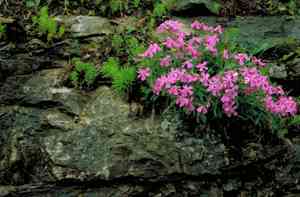
The vibrant flowers of Sticky catchfly can greatly improve a property's visual attractiveness.
3
Sticky catchfly adjusts readily to diverse surroundings, making it adaptable for any landscape.
Why Opt for Sticky Catchfly in Your Garden?
Drought Tolerance: Flourishing in Arid Conditions
A key characteristic of Sticky Catchfly is its impressive ability to withstand dry spells. This plant thrives even when water is scarce, making it ideal for regions with low rainfall or for gardeners seeking low-maintenance options. Unlike plants needing constant hydration, Sticky Catchfly prospers with minimal water, reducing irrigation frequency and volume.
Seasonal Allure: Vivid Flowers Enhancing Property Appeal
Sticky Catchfly produces brilliant blossoms that infuse your garden with life and color throughout its active growth phase. These flowers can elevate any landscape, making them an excellent choice for boosting curb appeal. Their seasonal display of hues can become a central point in your garden design, attracting attention and creating a visually pleasing environment.
Versatility: Suited for Diverse Environmental Settings
Sticky Catchfly is renowned for its remarkable capacity to adapt to various environmental factors. Whether your garden receives full sun, partial shade, or a combination, this resilient plant flourishes across different light exposures. Furthermore, it tolerates various soil types, from sandy to clay, making it a flexible and dependable option for many garden environments. This adaptability ensures Sticky Catchfly integrates smoothly into nearly any landscape plan.
Optimal Placement for Sticky Catchfly in Your Garden
Selecting the Ideal Spot: Light and Spatial Needs
When planting Sticky Catchfly, choosing the correct location in your garden is vital. This plant prefers areas with ample sunlight, though it can also do well in partial shade. Ensuring Sticky Catchfly has sufficient room to grow without being overshadowed by other plants is also essential for its healthy development. Aim for a spot receiving at least six hours of daily sunlight and provide adequate spacing for robust growth.
Companion Planting: Compatible Plant Pairings
Pairing Sticky Catchfly with other plants can improve your garden's beauty and vitality. Combine Sticky Catchfly with other drought-tolerant species like lavender or sedum for a cohesive and attractive garden theme. These companion plants not only complement the visual appeal but also share similar water and light requirements, simplifying and streamlining the care routine.
Planting and Initial Care for Sticky Catchfly
Soil Preparation: Tips for Optimal Development
Proper soil preparation is crucial for ensuring Sticky Catchfly's health and growth. Start by testing your soil to determine its pH level and nutrient content. Sticky Catchfly prefers well-drained soil with a neutral to slightly alkaline pH. Incorporate organic matter, such as compost, to enhance soil fertility and drainage. These steps will create a nourishing environment that promotes root establishment and overall plant vigor.
Planting Methods: Fostering Healthy Root Growth
Correct planting techniques are vital for the healthy development of Sticky Catchfly. Begin by digging a hole twice the width of the plant's root ball and of the same depth. Gently place the plant in the hole, ensuring the top of the root ball is level with the soil surface. Backfill the hole with soil, pressing down gently to remove air pockets. Water thoroughly after planting to help the soil settle around the roots.
Long-Term Maintenance Strategies
Watering Schedules: Balancing Moisture for Vitality
Maintaining the correct moisture balance is essential for Sticky Catchfly's long-term health. While it is drought-resistant, occasional watering during prolonged dry spells can help sustain its vigor. Water deeply but infrequently to encourage deep root development. Ensure the soil dries out between waterings to prevent root rot and other moisture-related issues.
Seasonal Upkeep: Preparing Sticky Catchfly for Seasonal Changes
Seasonal care for Sticky Catchfly involves a few simple steps to ensure its year-round health. In spring, prune any dead or damaged stems to encourage new growth. During the growing season, a balanced, slow-release fertilizer can be applied to support blooming. As autumn approaches, cut back the plant to prepare it for winter. Mulching can help protect the roots from extreme temperatures during colder months.
Design Concepts Using Sticky Catchfly in Landscaping
Borders and Edges: Stylishly Defining Areas
Utilizing Sticky Catchfly along borders and edges can create a well-defined and elegant landscape. The vibrant blooms of Sticky Catchfly can line pathways, driveways, and garden beds, providing a natural and attractive separation between different areas of your garden. This application not only enhances the overall aesthetic but also adds structure and order to your landscape design.
Accent Features: Using Sticky Catchfly to Attract Attention
Sticky Catchfly can be strategically positioned to highlight key elements of your garden. Use it to draw the eye to focal points such as garden sculptures, water features, or architectural components. The striking blooms and lush foliage of Sticky Catchfly act as a natural magnet for the eye, guiding visitors through the landscape and enhancing the visual appeal of your garden's standout features.



