
Sticky catchfly (Silene caroliniana)
Also known as: Carolina campion, Pennsylvania catchfly, Pennsylvania pink, Carolina pink
The sticky catchfly is known for its sticky sap that traps insects. This wildflower thrives in grasslands and meadows, blooming in late spring and early summer. Its pinkish-white flowers attract both butterflies and bees.
In This Article
Attributes of Sticky catchfly
Lifespan
Perennial
Plant Type
Herb
Plant Height
10 cm to 30 cm
Spread
10 cm to 30 cm
Leaf Color
Green
Flower Size
2.5 cm to 8 cm
Flower Color
Pink
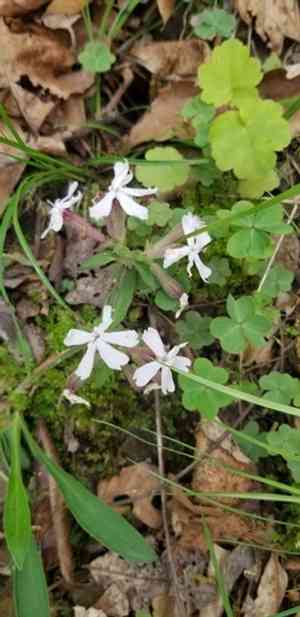
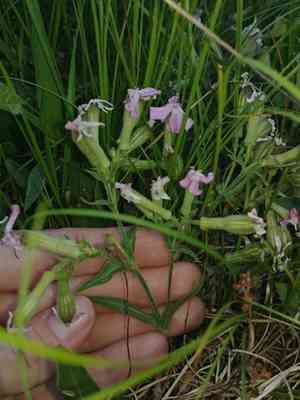
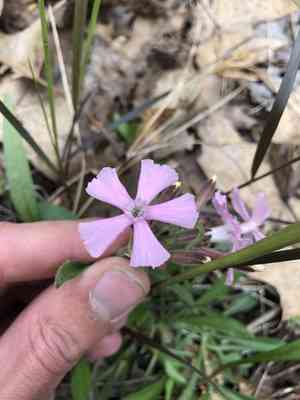
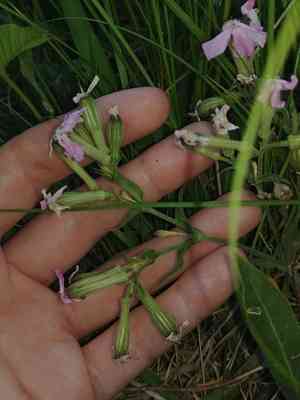
Images of Sticky catchfly
Quickly Identify Sticky catchfly
1
Basal foliage forms a mat-like mound, semi-evergreen, with lance-shaped leaves, 1-4.5 inches (2.5-11.5 cm) long.
2
Clusters of vibrant, rosy-pink tubular flowers with five distinct wedge-shaped petals.
3
Fruit capsule with seeds, 0.31-0.39 inches (8-10 mm) long, opening with 6-8 protruding teeth.
4
Sticky, green stem, 3-5 inches (7.5-12.7 cm) tall, softly hairy, ascending and sparsely branched.
5
Distinct floral blooming from April to May, loose clusters of rose-pink tubular blooms.
Scientific Classification of Sticky catchfly
Phylum
Vascular plants
Class
Dicotyledons
Order
Caryophyllales
Family
Pink
Genus
Campions
Species
Sticky catchfly
Planting and Growing of Sticky catchfly
Care Difficulty
Easy
Watering Schedule
Every 2 days
Sunlight Requirements
Full sun
Sunshine Duration
6-10 hours
Ideal Temperature
65-75℉
Soil Type
Potting Mix, Peat Mix
Soil pH
6.5-7.5
Fertilizer Type
Balanced
Pruning Season
Spring, Summer
Pruning Area
Branches, Leaves
Pruning Frequency
2 times a year
Repotting Season
Spring
Pot Type
Plastic, Ceramic
 How to Water Sticky catchfly?
Silene caroliniana prefers moderate watering. Ensure the soil is moist but not soggy, watering approximately 200ml to maintain the right balance. The soil should feel damp to touch but not waterlogged, promoting healthy root development.
What are the symptoms of an underwatered Sticky catchfly?
›
What should I do if my Sticky catchfly is not getting enough water?
›
What are the symptoms of an overwatered Sticky catchfly?
›
How to save an overwatered Sticky catchfly?
›
 What Are the Sunlight Requirements for Sticky catchfly?
Full sun to partial sun is ideal, offering comprehensive benefits including optimal blooming conditions and robust growth. It also supports metabolic functions, ensuring the plant remains healthy and vibrant.
More About Sunlight Requirements Techniques→
How much sunlight does Silene caroliniana need?
›
How can you ensure Silene caroliniana receives ideal sunlight?
›
What are the benefits of ideal sunlight for Silene caroliniana?
›
 What Is the Ideal Temperature Range for Sticky catchfly?
The ideal temperature range for Silene caroliniana cultivation is between 65°F and 75°F. In this range, the plant achieves optimal metabolic and photosynthetic activity, promoting healthy growth and flowering. Maintaining consistent temperatures within this band enhances nutrient uptake and reduces the risk of temperature-induced stress.
 What Soil is Best for Sticky catchfly?
Silene caroliniana thrives in well-draining soil as it helps prevent root rot by allowing excess water to flow away quickly. This ensures the roots receive adequate oxygen and reduces the risk of fungal infections, promoting healthy growth. A soil that is moderately rich in nutrients supports the robust growth of Silene caroliniana. It ensures that the plant receives essential macro and micronutrients without overwhelming it, facilitating steady development and vibrant blooms. This plant prefers a slightly alkaline to neutral pH level, which encourages optimal nutrient absorption and enhances healthy root development. Maintaining this pH reduces the risk of nutrient lockout, which can hinder growth.
 How to Fertilize Sticky catchfly?
When fertilizing Silene caroliniana, use a balanced fertilizer with an NPK ratio of 10-10-10. For liquid fertilizers, apply it as a dilute solution, mixing half a capful with a gallon of water. With granular fertilizers, use no more than 1 tablespoon per square foot around the base of the plant.
 How to Prune Sticky catchfly?
Begin by visually assessing the plant, looking for any dead or damaged stems, which are prime candidates for removal to foster new growth. Trim back the stems by up to one-third to maintain a neat, bushy appearance. This helps open the plant to better light and air circulation. Focus on cutting just above a node or a leaf junction. This encourages branching at these points, enhancing the plant's appearance and bloom potential.
More About Pruning Techniques→
 How to Propagate Sticky catchfly plant?
1
Start by filling a seed tray with a fine-quality potting mix. Sow the seeds on the surface and lightly cover them with compost. Place the tray in a warm, bright area and keep the soil moist but not waterlogged.
2
Select healthy stems and trim 4-6 inches from the tip. Remove leaves from the lower half and dip the cut end in rooting hormone. Plant in a pot with a mix of sand and peat, ensuring constant humidity.
3
Dig up an established Silene caroliniana plant, separating the root clumps carefully with a sterile knife or your hands. Replant each clump at the original depth and water well to encourage settling and growth.
 How to Repot Sticky catchfly plant?
1
Repot Silene caroliniana in spring when you notice signs like roots protruding from drainage holes, slower growth, or compacted soil. These indicators suggest that the plant has outgrown its current container or needs fresh soil to thrive.
2
Select a pot that's one size larger than the current one, with good drainage holes. This will provide adequate space for root expansion and prevent waterlogging, which can lead to root rot. A pot made of breathable material like terracotta can also help ensure proper aeration for the roots.
3
Choose a well-draining potting mix that's rich in organic matter. This will not only provide the essential nutrients but will also help the plant avoid waterlogged conditions, promoting healthy growth. A loamy soil mix with a combination of sand, peat, and perlite works well.
Learn More About Sticky catchfly Diseases
Anthracnose
Bacterial Leaf Spot
Bacterial Soft Rot
Chemical Injury
Crown Gall
Cyst Nematode
Damping-off
Downy Mildew
Drought Stress
Fusarium Wilt
Gray Mold
Leaf Curl
Leaf Spot
Mosaic
Nutrient Deficiency
Nutrient Toxicity
Powdery Mildew
Root Rot
Root-knot Nematode
Rusts
Sooty Mold
Spider Mites
Temperature Stress
Thrips Damage
White Mold



