How to Prune Sticky catchfly?
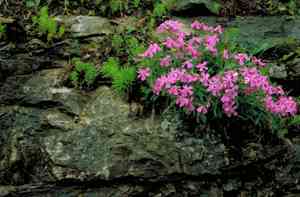
A perennial wild bloom, sticky catchfly is recognized for its vibrant pink flowers and adhesive stalks, which draw in pollinators. In spring, remove withered leaves to foster vigorous development. Throughout summer, after the initial flowering, trim the plant to stimulate a subsequent bloom. During autumn, selectively prune to preserve its form and eliminate any deceased stems. Strategic trimming aids in abundant flowering and can deter self-propagation if preferred. Always employ sanitized, sharp implements to avert the spread of pathogens and guarantee accurate cuts for this particular plant.
Advantages of Trimming Sticky Catchfly
Advantages of Trimming Sticky Catchfly
Trimming sticky catchfly can encourage blooming and promote more robust development. It assists in preserving the plant's intended form, contributing to a neat garden appearance.
Optimal Period for Pruning Sticky Catchfly
Optimal Period for Pruning Sticky Catchfly
Pruning sticky catchfly in late Spring allows for the removal of any dead or damaged growth resulting from winter conditions, without impacting the onset of flowering. Early Summer is a good time because sticky catchfly has typically finished its bloom, and trimming can encourage a secondary bloom and bushier growth. Pruning in Early Fall promotes healthy growth by removing spent blooms and can help prevent disease, but should be done well before the first frost to prevent new growth that could be damaged by cold weather. These periods align with the active growing season, avoiding disturbance during dormancy and ensuring energy is directed towards healthy new growth.
Necessary Tools for Pruning Sticky Catchfly
Hand Pruners
Perfect for cutting through the stems of sticky catchfly, which are relatively slender and do not require heavy-duty equipment. Hand pruners are easy to manage and allow for accurate cuts to maintain the plant's shape and vitality.
Scissors
Appropriate for deadheading or snipping off faded flowers of sticky catchfly. Scissors are precise and can easily access dense foliage without harming surrounding stems and leaves.
Gloves
Protects hands when handling sticky catchfly, which has sticky foliage that can adhere to skin and clothing. It also provides a better grip on pruning tools.
Pruning Saw
For older, woodier stems of sticky catchfly that may have developed over time, a small pruning saw can make clean cuts without damaging the plant.
Garden Shears
Useful for shaping the plant if it is grown as part of a larger group for a neat, uniform appearance. Garden shears can quickly trim edges and cut back overgrowth.
How to Prune Sticky Catchfly
Sanitize Tools
Before starting, disinfect the pruning shears with alcohol to prevent the spread of disease to sticky catchfly.
Remove Diseased
Carefully cut away all diseased leaves from sticky catchfly at their base without damaging the healthy tissue, to help prevent further infection.
Trim Withered Leaves
Trim off withered leaves from sticky catchfly to the nearest healthy leaf junction, optimizing plant growth and appearance.
Deadhead Flowers
Deadhead withered flowers by clipping the flower stem of sticky catchfly just above the first set of healthy leaves to encourage further blooming and prevent self-seeding if not desired.
Clean Up
Collect and remove all the pruned material from around sticky catchfly to reduce the chance of disease and improve air circulation.
Common Pruning Errors with Sticky Catchfly
Over-Pruning
Removing too much foliage can stress sticky catchfly and hinder its ability to photosynthesize, recover, and grow properly.
Pruning Into Old Wood
Cutting into the older, woodier stems of sticky catchfly can limit its ability to produce new shoots and may cause damage that doesn't heal well.
Inconsistent Pruning
Irregular or erratic pruning can result in sticky catchfly having an uneven shape, with some areas lacking flowers while others become overgrown.
Dirty Tools
Using unclean pruning tools can introduce diseases to sticky catchfly, which can be harmful or even fatal to the plant.
Flush Cuts
Pruning branches flush against the main stem can create wounds on sticky catchfly that are more susceptible to disease and pest infestation.
General Pruning Advice for Sticky Catchfly
Clean Tools
Ensure pruning tools are clean and sharp to make precise cuts and prevent the spread of disease to sticky catchfly.
Just Above The Node
When pruning sticky catchfly, make cuts just above a leaf node or latent bud to encourage healthy new growth.
Thin Out
Thin out sticky catchfly's dense growth by selectively removing some stems at the base to improve air circulation and light penetration, promoting a stronger, healthier plant.
Deadhead
Regularly remove spent flowers (deadheading) of sticky catchfly to encourage continuous blooming and prevent the plant from putting energy into seed production.
Shape Maintenance
Prune sticky catchfly to maintain the desired shape and size, but do so in moderation to avoid over-pruning—the plant should still look natural and lush.



