How to Transplant Hairy checkerbloom?
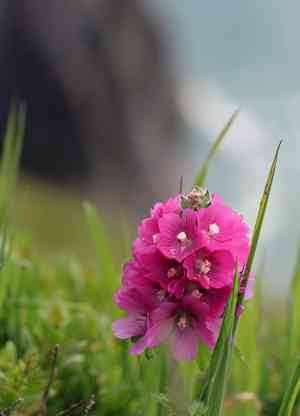
Hairy checkerbloom flourishes when relocated from the beginning to the end of spring, benefiting from ideal growing circumstances. Place it in a bright, adequately drained spot for superior outcomes. Watering bi-weekly and limiting disruption post-transplant improve its successful integration.
Preparations Required Before Relocating Hairy Checkerbloom?
Optimal Timing for Hairy Checkerbloom Relocation?
The best season for moving hairy checkerbloom is from early to late spring. This timeframe provides ideal growing conditions due to increased soil moisture and moderate temperatures, aiding root establishment. Relocating during these periods minimizes stress and maximizes the plant's growth potential, ensuring robust development throughout the growing season.
Recommended Spacing Between Hairy Checkerbloom Plants?
Hairy checkerbloom requires approximately 12-18 inches (30-45 cm) of space between plants. This allows sufficient room for growth and ensures adequate air circulation. Measure and prepare your planting area accordingly.
Ideal Soil Blend for Hairy Checkerbloom Relocation?
Prepare well-draining soil, abundant in organic material, for hairy checkerbloom. Incorporate compost or a balanced base fertilizer to provide a nutrient boost. Aim for a slightly acidic to neutral pH (6.0-7.0).
Preferred New Location for Your Hairy Checkerbloom?
Hairy checkerbloom thrives in full sunlight. Select a site where the plant will receive at least 6 hours of direct sun daily. Ensure the location is not overly shaded to promote healthy development.
Equipment Needed Before Relocating Hairy Checkerbloom?
Gardening Gloves
To safeguard your hands while handling soil and the plant.
Shovel or Spade
For excavating and lifting the plant from its original spot.
Hand Trowel
For digging smaller holes at the new planting site.
Watering Can or Hose
To hydrate the plant before and after its relocation.
Pruning Shears
To trim any damaged or excessively long roots.
Wheelbarrow or Bucket
To transport the plant if necessary.
How to Extract Hairy Checkerbloom from the Ground?
How to Extract Hairy Checkerbloom from the Ground?
From Ground: First, water the hairy checkerbloom plant to moisten the soil. Next, dig a wide trench around the plant using a shovel or spade, ensuring the plant's root ball remains intact. Carefully work the spade beneath the root ball to lift the plant from its initial position.From Pot: Water the hairy checkerbloom plant thoroughly to facilitate easier root ball removal. Gently tilt the pot on its side while supporting the plant with your hand and carefully slide the plant out, ensuring the root ball remains undamaged.From Seedling Tray: Water the hairy checkerbloom seedlings to dampen the soil. Use a hand trowel or your fingers to gently lift each seedling from the tray. Hold the plant by its leaves, not the stem, to prevent damage, and aim to include as much of the root system as possible.
Step-by-Step Guide for Relocating Hairy Checkerbloom
Prepare the Planting Site
Prepare the new planting location in your garden by digging a hole that is twice as wide and slightly deeper than the hairy checkerbloom plant's root ball.
Improve the Soil
Enrich the excavated soil with compost to ensure nutrient availability and enhance drainage.
Ready the Plant
Before placing the hairy checkerbloom plant in the hole, gently separate the roots if they are tightly packed, and trim any damaged roots with pruning shears.
Planting
Position the hairy checkerbloom plant in the center of the hole, ensuring it is at the same depth as it was in its original spot. Fill the hole with amended soil, firmly pressing it around the root ball.
Watering
Water the hairy checkerbloom plant thoroughly to help settle the soil and eliminate any air pockets.
Support the Plant
If the hairy checkerbloom plant is tall or top-heavy, consider using stakes to support it while it establishes in its new location.
Post-Relocation Care for Hairy Checkerbloom?
Watering
Keep the soil around the hairy checkerbloom consistently moist, but not waterlogged, for the initial weeks after relocation to aid in strong root development.
Mulching
Apply a layer of mulch around the plant's base to help retain moisture and suppress weeds.
Monitoring
Observe for signs of transplant shock, such as wilting or yellowing leaves, and provide additional care if needed, including extra watering or shading from intense sunlight.
Fertilization
After a few weeks, consider applying a balanced, slow-release fertilizer to support new growth and root development.
Addressing Common Issues with Hairy Checkerbloom Relocation.
When is the best time to relocate hairy checkerbloom?
The optimal period is from early spring to late spring for ideal growth conditions.
How much space should I allow between hairy checkerbloom plants?
Space plants 12-18 inches (30-45 cm) apart to ensure they have ample room to grow.
How do I prepare the soil for relocating hairy checkerbloom?
Ensure the soil is well-drained and rich in organic matter. Amend with compost if necessary.
What should I do if hairy checkerbloom wilts after relocation?
Water the plant deeply and provide temporary shade to reduce transplant shock.
How deep should I plant hairy checkerbloom during relocation?
Plant hairy checkerbloom at the same depth it was growing in its previous location to avoid stress.
Should I water hairy checkerbloom before relocating it?
Yes, water the plant a day before moving it to keep the root ball moist.
What is the best method to remove hairy checkerbloom for relocation?
Use a sharp spade to dig around and under the root ball, lifting it gently.
How can I minimize transplant shock for hairy checkerbloom?
Relocate on a cool, overcast day and water thoroughly after transplanting.
Can I relocate hairy checkerbloom directly into full sun?
Gradually acclimate the plant to full sun by incrementally increasing exposure over a week.
How should I care for hairy checkerbloom immediately after relocation?
Monitor soil moisture, keep it consistently moist, and add mulch to retain moisture and prevent weeds.



