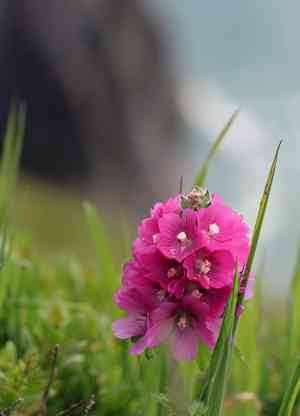
Hairy checkerbloom (Sidalcea hirsuta)
Also known as: Hairy Checkermallow
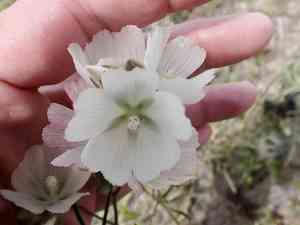
The hairy checkerbloom (Sidalcea hirsuta) is notable for its upright, hairy stems and palmately lobed leaves, which give it a distinctively soft texture. It usually blooms in late spring to summer, producing charming pink to lavender flowers that resemble small hollyhocks.
Key growing conditions include:
- Soil: Prefers well-drained, fertile soil.
- Light: Grows best in full sun to partial shade.
- Water: Needs moderate watering but is drought-tolerant once established.
- Habitat: Commonly found in wild meadows and prairies.
This hardy plant adds a whimsical touch to natural landscapes with its delicate blooms and fuzzy foliage.
In This Article
Attributes of Hairy checkerbloom
Lifespan
Perennial
Plant Type
Herb
Plant Height
0.5 to 1.5 meters
Spread
Approximately 0.5 meters
Leaf Color
Green
Flower Size
2 to 3 centimeters
Flower Color
Pink to Purple
Images of Hairy checkerbloom
Quickly Identify Hairy checkerbloom
1
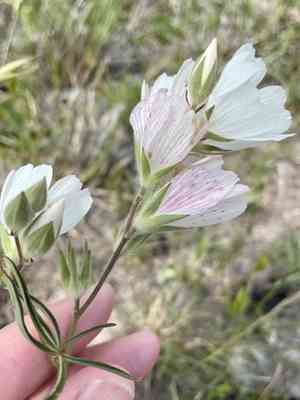
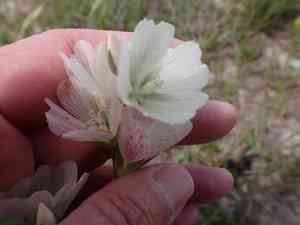
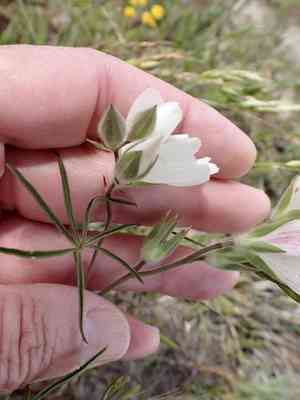
To identify Sidalcea hirsuta, look for hairy stems and palmate leaves, with distinctive pink to purple flowers that typically bloom in clusters.
Scientific Classification of Hairy checkerbloom
Phylum
Vascular plants
Class
Dicotyledons
Order
Malvales
Family
Mallow
Genus
Sidalcea
Species
Hairy checkerbloom
Planting and Growing of Hairy checkerbloom
Care Difficulty
Moderate
Watering Schedule
Every 4 days
Sunlight Requirements
Partial sun
Sunshine Duration
4-6 hours
Ideal Temperature
60-75℉
Soil Type
Potting Mix, Peat Mix
Soil pH
6.5-7.5
Fertilizer Type
Balanced
Pruning Season
Spring, Summer
Pruning Area
Branches, Leaves
Pruning Frequency
2 times a year
Repotting Season
Spring
Pot Type
Plastic, Ceramic
 How to Water Hairy checkerbloom?
Ensure the soil is evenly moist but not soggy. This plant prefers consistently moist conditions, so about 250 ml per watering should suffice. Check the top inch of soil; if it's dry, it's time to water.
What are the symptoms of an underwatered Hairy checkerbloom?
›
What should I do if my Hairy checkerbloom is not getting enough water?
›
What are the symptoms of an overwatered Hairy checkerbloom?
›
How to save an overwatered Hairy checkerbloom?
›
 What Are the Sunlight Requirements for Hairy checkerbloom?
Sidalcea hirsuta ideally requires partial to full sun exposure; this range supports vigorous growth and blooming. Exposure to 4-6 hours of sunlight helps maintain its health and ensures that the plant remains vibrant.
How much sunlight does Sidalcea hirsuta need?
›
What are the best environmental setups for ideal lighting?
›
What are the benefits of ideal lighting for Sidalcea hirsuta?
›
 What Is the Ideal Temperature Range for Hairy checkerbloom?
To cultivate Sidalcea hirsuta effectively, maintaining temperatures between 60°F and 75°F is ideal. This range supports optimal plant growth and minimizes stress, ensuring vigorous foliage and flowering. Consistent temperatures help in developing a robust root system.
 What Soil is Best for Hairy checkerbloom?
Sidalcea hirsuta thrives in well-drained soil as it prevents root rot and encourages robust growth. Well-drained soils allow for sufficient air circulation and proper moisture levels, essential for the plant's health. This plant benefits from soil enriched with organic matter, which provides essential nutrients and improves soil structure. Organic-rich soils also enhance water retention, crucial during dry spells. Maintaining a neutral pH balance between 6.5 and 7.5 ensures optimal nutrient uptake. This balance allows the plant to access crucial nutrients, promoting healthy foliage and vibrant blooms.
 How to Fertilize Hairy checkerbloom?
Sidalcea hirsuta, being a medium-sized perennial, requires a balanced supply of nutrients. When using liquid fertilizers, apply at a strength of half the manufacturer's recommended dose. For granular slow-release fertilizers, a light scattering around the base, approximately one tablespoon every growing season, will suffice.
 How to Prune Hairy checkerbloom?
Carefully cut off any wilted or spent flowers throughout the blooming season to encourage further blooming. This not only keeps the plant looking tidy but also prevents energy wastage on seed production. Trim back any dead or diseased foliage to maintain the plant's health and appearance. Make clean cuts at the base of the stem to ensure that you don't damage adjacent healthy stems.
More About Pruning Techniques→
 How to Propagate Hairy checkerbloom plant?
1
Sow seeds in a well-draining seed mix. Cover them lightly with soil, keep the soil moist, and place the tray in a warm, sunny location for germination.
2
Select healthy shoots from the parent plant and use clean pruning shears to cut just above a leaf node. Strip the lower leaves and dip the cut end into rooting hormone before planting.
3
When dividing, use a sharp knife or spade to separate the root clumps of a mature plant. Each division should have roots and shoots to ensure successful growth.
 How to Repot Hairy checkerbloom plant?
1
Repot Sidalcea hirsuta when you notice roots growing out of the drainage holes or if growth has become stagnant. Spring and summer are the best times to repot as this is when the plant is actively growing, allowing it to recover quickly from the process. A densely packed root system is also a clear indicator that a larger pot is needed.
2
Select a pot that's slightly larger than the current one, with ample drainage holes to prevent waterlogging. The extra space will give roots more room to spread out, which can enhance overall growth. Using terracotta pots can further aid in moisture regulation due to their porous nature.
3
Opt for a lightweight, well-draining soil mix to prevent root rot and ensure proper aeration. The soil should be rich in organic matter, which provides essential nutrients and helps maintain adequate moisture levels without becoming waterlogged. Using a soil mix tailored for perennials is a great choice.
Learn More About Hairy checkerbloom Diseases
Anthracnose
Bacterial Leaf Spot
Bacterial Wilt
Chemical Injury
Crown Gall
Cyst Nematode
Damping-off
Downy Mildew
Drought Stress
Fusarium Wilt
Gray Mold
Leaf Curl
Leaf Spot
Mosaic
Nutrient Deficiency
Nutrient Toxicity
Powdery Mildew
Root Rot
Root-knot Nematode
Rusts
Sooty Mold
Spider Mites
Temperature Stress
Thrips Damage
White Mold



