How to Propagate Hairy checkerbloom?
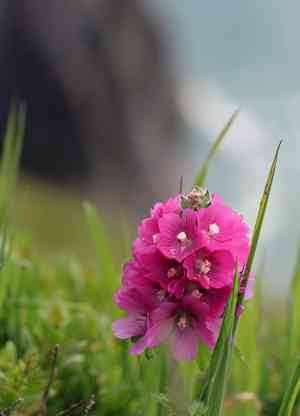
Sidalcea hirsuta, a member of the Malvaceae family, is recognized for its appealing pink blossoms. Effective methods for propagating Sidalcea hirsuta involve planting its seeds in a growing medium that drains efficiently. For best development, seeds ought to be lightly blanketed with substrate and maintained continuously damp. Verified gardening techniques indicate that cold stratification can improve germination success. Supplying a bright spot is crucial once the young plants are rooted.
Optimal Time for Hairy Checkerbloom Propagation
Propagation Method
Seeding
Propagation Period
Spring
Essential Tools for Hairy Checkerbloom Propagation
Seed Trays or Flats
These are vital for starting seeds, offering a controlled setting for sprouting. Seed trays or flats feature multiple sections, aiding in spacing and minimizing competition among young plants, which is key for hairy checkerbloom.
Sterile Growing Medium
A clean, premium growing substrate is crucial for preventing illness and ensuring optimal root growth. For hairy checkerbloom, a well-draining mix helps prevent waterlogging and encourages robust seedling development.
Humidity Dome
Maintaining high moisture levels is necessary during seed germination. A humidity dome placed over seed trays helps retain moisture and warmth, creating ideal conditions for hairy checkerbloom to sprout.
Seedling Heat Mat
Providing consistent warmth from below promotes quicker and more uniform germination. Utilizing a seedling heat mat can significantly boost the germination rate of hairy checkerbloom, especially in cooler climates.
Labeling Tags
Proper labeling of seed trays is important for identifying different plant species and their respective sowing dates. This helps in tracking the progress of hairy checkerbloom and ensuring timely care and transplantation.
Fine Mist Spray Bottle
A fine mist spray bottle is essential for gently watering seeds and seedlings without disturbing the soil surface or displacing seeds. This approach aids in maintaining the delicate balance of moisture needed for hairy checkerbloom.
Pricking-out Tools
Once seedlings have grown sufficiently, they will need to be transplanted to larger containers. Specialized pricking-out tools help in carefully lifting seedlings without damaging their fragile roots, which is crucial for the healthy development of hairy checkerbloom.
Grow Lights
Adequate light is critical for the growth of strong seedlings. If natural light is insufficient, using grow lights ensures that hairy checkerbloom receives the necessary light spectrum for photosynthesis and healthy development.
pH Testing Kit
Ensuring the growing medium has the correct pH level is essential for nutrient availability. A pH testing kit helps gardeners monitor and adjust the soil pH to suit the specific needs of hairy checkerbloom.
Propagation Journal
Keeping records of propagation methods, environmental conditions, and growth stages is valuable for refining techniques and ensuring future success. A propagation journal helps track the progression of hairy checkerbloom from seed to mature plant.
Propagating Hairy Checkerbloom: A Guide
Propagation Difficulty
Easy
Post-Propagation Care for Hairy Checkerbloom
Post-Propagation Care for Hairy Checkerbloom
Following transplanting, ensure hairy checkerbloom receives consistent moisture, particularly during dry spells, but avoid overwatering. Apply mulch around the plant bases to retain soil moisture and suppress weeds. Monitor for pests and diseases, promptly removing any affected parts. Regularly deadhead spent flowers to encourage continuous blooming and maintain plant vigor.
Common Errors to Avoid When Propagating Hairy Checkerbloom
Overwatering
Excessive watering can lead to root rot, which is detrimental to the plant's health and can impede successful propagation.
Insufficient Light
Lack of adequate sunlight can hinder the plantâs growth, leading to weak, leggy seedlings.
Poor Soil Quality
Using soil that is too dense or lacks proper nutrients can stifle root development and reduce propagation success.
Neglecting Pest Control
Failure to protect the plant from pests can lead to infestations, damaging young plants before they can establish themselves.
Incorrect Pruning
Improper pruning techniques can injure the plant, reducing its vigor and affecting its ability to propagate successfully.
Advice for Propagating Hairy Checkerbloom
Use Well-Draining Soil
Select a soil mix that ensures good drainage to prevent root rot and provide aeration to the roots.
Ensure Adequate Sunlight
Place the plant in a location where it receives sufficient sunlight to promote healthy growth and strong seedlings.
Maintain Appropriate Moisture Levels
Keep the soil consistently moist but not waterlogged to support the development of roots without causing rot.
Implement Pest Management
Regularly check for and manage pests to protect young plants from damage and ensure a healthy growth environment.
Prune Correctly
Use clean, sharp tools to prune and remove dead or overcrowded parts, which helps invigorate the plant and enhances its ability to propagate.



