How to Prune Hairy checkerbloom?
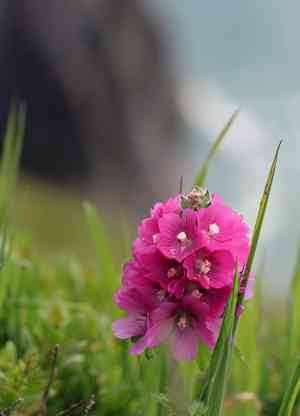
Hairy checkerbloom is recognized for its vivid, pubescent foliage and blossoms ranging from pink to purple. To preserve its vitality and visual appeal, trim hairy checkerbloom during the initial part of spring or the latter part of winter. Remove any lifeless or ailing stalks, and reconfigure the plant's structure to enhance air circulation and light exposure. Consistent trimming fosters robust development and diminishes the likelihood of fungal ailments. Always employ sanitized, keen implements to prevent harm to the plant.
What Are the Benefits of Pruning Hairy Checkerbloom?
What Are the Benefits of Pruning Hairy Checkerbloom?
Hairy checkerbloom benefits from trimming as it helps maintain its form and encourages strong growth. Pruning aids in size management, removal of dead or diseased sections, improved flowering, and enhanced resistance to pests and illnesses.
What Is the Best Time for Pruning Hairy Checkerbloom?
What Is the Best Time for Pruning Hairy Checkerbloom?
Trimming hairy checkerbloom during early spring and late winter helps stimulate new growth just before the active growing season begins. These periods are when the plant is still dormant or just emerging from dormancy, reducing stress and minimizing sap loss. Additionally, pruning at these times allows for better shaping and promotes healthier bloom production since hairy checkerbloom can focus its energy on new growth rather than healing pruning wounds during peak growing seasons. This schedule ensures that the plant is pruned before it starts its vigorous growth cycle, leading to robust and healthy development.
What Tools Do I Need to Prune Hairy Checkerbloom?
Bypass Pruners
Perfect for making clean cuts on tender, new growth and slender stems. Essential for trimming spent blooms and managing the overall shape of hairy checkerbloom.
Anvil Pruners
Useful for cutting thicker, woody stems if hairy checkerbloom has mature parts that require trimming. They slightly crush the stem but are more durable.
Pruning Shears
Excellent for precise snipping of individual stems and for deadheading faded flowers to encourage new blooms in hairy checkerbloom.
Long-Handled Loppers
These provide the leverage needed to prune thicker stems and branches that might develop at the base or within the shrub. Necessary for reaching into the center of hairy checkerbloom.
Hand Saw
Recommended for the occasional trimming of any thick, woody stems that may develop. Essential if hairy checkerbloom grows larger and forms more robust canes.
How to Prune Hairy Checkerbloom
Inspect
Carefully examine hairy checkerbloom for any indications of diseased or withered foliage. These parts should be identified before any cutting commences.
Sanitize
Disinfect your pruning tools to prevent the spread of disease. Use a solution of one part bleach to ten parts water and clean thoroughly.
Trim diseased
Start by removing any diseased leaves at the base of the leaf stem. Ensure you make clean cuts close to the main stem to prevent further infection.
Trim withered
Next, remove withered leaves by cutting them off at the point where they join the main stem. Make sure to dispose of the trimmed leaves properly to prevent any potential disease spread.
Monitor
Regularly observe hairy checkerbloom for new signs of disease or wilting. This will help you maintain the plant's health and prevent any issues from spreading.
Common Pruning Mistakes with Hairy Checkerbloom
Improper technique
Using dull or unclean tools can harm plant tissues, inviting diseases and pests. Always use sharp and sanitized pruning shears for clean cuts.
Excessive pruning
Removing too much of the plant at once can stress hairy checkerbloom, leading to poor regrowth and reduced flowering potential. Prune sparingly, focusing on necessary cuts.
Random cutting
Pruning without a plan or understanding of the plant's growth habit can remove essential buds and stems, hindering healthy development. Familiarize yourself with hairy checkerbloom's structure before pruning.
Ignoring damaged parts
Failing to remove diseased, broken, or dead stems can spread disease and attract pests. Regularly inspect and promptly cut away any compromised areas.
Common Pruning Tips for Hairy Checkerbloom
Sanitization
Always clean your pruning tools before and after use to prevent the spread of pathogens from plant to plant.
Targeted cuts
Focus on pruning dead or diseased stems, and cutting back any leggy or wayward branches that detract from the plantâs overall shape.
Angled cuts
Make cuts at a 45-degree angle, just above a bud or leaf node to encourage better water runoff and faster healing.
Avoid heavy pruning
Limit pruning to no more than one-third of the plant at any time to avoid shocking hairy checkerbloom and to ensure robust regrowth.
Encourage air circulation
Thin out sections of hairy checkerbloom to allow sunlight and air to penetrate through the plant, reducing the likelihood of disease and promoting healthier growth.



