How to Transplant Arsenic bush?
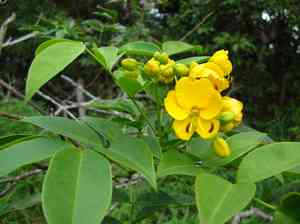
The optimal period for relocating arsenic bush is amidst the vigorous growth of mid-to-late spring, guaranteeing strong development. Select a sunny location featuring soil that drains effectively. Should arsenic bush be overly compact, carefully separate it to encourage successful rooting.
What Preparations are Needed Before Transplanting Arsenic Bush?
What is the Ideal Time for Transplanting Arsenic Bush?
Move arsenic bush during the core of spring – a perfect time due to stable temperatures that promote strong root growth. This season allows arsenic bush to settle in before the full intensity of summer heat, ensuring a smooth transition and improved development. The abundant spring sunlight combined with moderate rainfall creates a supportive environment for arsenic bush, boosting its chances of flourishing after relocation.
How Much Space Should You Leave Between Arsenic Bush Plants?
Hello there, budding gardener! When preparing to rehome your arsenic bush, remember they appreciate their personal area. Aim to position them approximately 2-3 feet apart (60-90 cm). This will provide them ample room to thrive.
What is the Best Soil Mix for Arsenic Bush Transplanting?
For your arsenic bush, consider creating a comfortable bed with soil that drains well. A beneficial blend would be loamy or sandy soil. Prior to planting, enrich the soil with a balanced, slow-release fertilizer to supply your arsenic bush with the nutrients needed for robust growth.
Where Should You Relocate Your Arsenic Bush?
Your arsenic bush enjoys basking in the sun, so let's find them a spot where they can absorb those rays. An area that receives full sunlight is perfect – meaning at least 6 hours of direct sun daily. This will ensure your arsenic bush feels warm and vibrant!
What Equipments Should You Prepare Before Transplantation Arsenic Bush?
Gardening Gloves
To shield your hands while handling soil and plants.
Shovel or Spade
To excavate the plant and prepare the new planting site.
Watering Can
To gently hydrate the plant post-transplant.
Pruning Shears
To trim any damaged roots or foliage prior to relocation.
Wheelbarrow or Plant Trolley
To move the plant from one spot to another if it's too large or heavy.
Garden Hose
For irrigating the plant both before and after the move.
Mulch
To help retain moisture and regulate soil temperature around the newly transplanted arsenic bush.
Rooting Hormone (optional)
To encourage root development in its new setting.
Soil Amendment (if needed)
To enrich the soil surrounding the new planting area.
How Do You Remove Arsenic Bush from the Soil?
How Do You Remove Arsenic Bush from the Soil?
From Ground: First, moisten the arsenic bush plant to dampen the soil. This will facilitate easier removal of the plant with minimal root stress. Next, use a shovel or spade to dig a wide circle around the plant, allowing ample space to preserve the root ball. Once you've encircled the plant, carefully slide your tool beneath and gently lift the plant from the ground.From Pot: Hydrate the arsenic bush plant in its container to ensure the soil is moist, which will aid the root ball in sliding out more easily. Tilt the pot sideways and tap the bottom or sides to loosen the plant. If necessary, use a knife or hand trowel to carefully separate the root ball from the pot's sides, then slowly extract the plant, keeping the soil around the roots intact.From Seedling Tray: Dampen the soil surrounding the arsenic bush seedling to minimize root disturbance. Use a spoon or a dibbler to gently pry the seedling up, ensuring you lift it with a good amount of surrounding soil to safeguard the root system. Handle the seedling by its leaves rather than its stems to prevent harm.
Step-by-Step Guide for Transplanting Arsenic Bush
Prepare New Location
Ensure a suitable location is ready for the arsenic bush, where it can flourish and have sufficient room to grow. Dig a hole twice as wide and as deep as the plant's root ball.
Removal from Original Site
Using the most appropriate method from the discussed removal process, carefully extract your arsenic bush from the ground, pot, or seedling tray to protect its roots.
Root Pruning
Examine the arsenic bush's roots and use pruning shears to snip off any damaged or excessively long roots. If using rooting hormone, apply it to the trimmed areas as per package directions.
Placing the Plant
Position arsenic bush in the center of the new hole. Make sure the plant stands upright and at the same depth it was previously growing. If incorporating soil amendments, mix them into the backfill.
Backfill Soil
Carefully refill the hole with soil, gently firming it down around the root ball as you proceed to eliminate air pockets.
Water Thoroughly
After planting arsenic bush, water the area generously to settle the soil around the roots and provide essential hydration for the plant to recover from transplant shock.
Mulch
Apply a layer of mulch around the base of arsenic bush to conserve moisture and regulate soil temperature.
How Do You Care For Arsenic Bush After Transplanting?
Regular Watering
Maintain a consistent watering schedule to keep the soil uniformly moist, which is vital for helping the arsenic bush establish in its new spot.
Monitor for Stress
Observe arsenic bush for indications of transplant shock, such as wilting or discolored leaves, and address any issues promptly.
Pruning
Trim any dead or damaged branches to encourage healthy growth and direct the plant's energy towards establishing its root system in the new location.
Mulch Inspection
Periodically check the mulch to ensure it hasn't shifted and to add more if needed. This will help safeguard your plant as it settles.
Troubleshooting Common Issues with Arsenic Bush Transplantation.
When's the best time to transplant arsenic bush?
The optimal period for relocating arsenic bush is from mid to late spring, ensuring ideal growth.
How far apart should I space arsenic bush when transplanting?
You should space arsenic bush approximately 2-3 feet apart (60-90 cm), to provide each plant ample room to flourish.
What soil conditions favor arsenic bush when transplanting?
Select well-draining soil with abundant organic matter. Arsenic bush prefers a balance of moisture and drainage.
How deep should the hole be for transplanting arsenic bush?
The hole should be as deep as the root ball and twice its width to promote root expansion.
Can I transplant arsenic bush in full sun?
Yes, full sun is perfect for arsenic bush. It supports vigorous growth and blooming.
How do I water arsenic bush after transplanting?
Water thoroughly upon relocation and maintain consistent moisture, without overwatering, as the roots establish.
Should I fertilize arsenic bush right after transplanting?
Wait a few weeks before fertilizing to prevent burning delicate new roots. Then use a balanced fertilizer.
My arsenic bush wilts after transplanting, what should I do?
Ensure it's adequately watered but not excessively. Shield from strong winds and check soil conditions.
Is it necessary to prune arsenic bush after transplanting?
Light pruning to shape the plant or remove damaged parts can be beneficial but is not essential for transplanting.
How do I protect transplanted arsenic bush from pests?
Maintain a healthy garden environment and use appropriate pest deterrents when required.



