How to Propagate Arsenic bush?
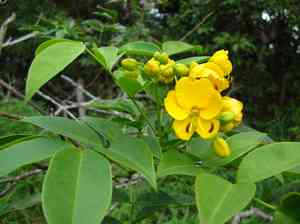
A resilient, tropical decorative plant, arsenic bush is mainly reproduced via cuttings. To achieve successful growth, select robust, established stem cuttings and confirm their placement in soil that drains effectively, since too much dampness can impede root formation. The cuttings ought to be treated with a rooting compound to stimulate development and situated in an area receiving ample yet diffused sunlight, mimicking the conditions of its natural habitat. Consistent irrigation, without waterlogging, will aid the initial phases of root establishment, transforming arsenic bush from a cutting into a vigorous, self-sustaining specimen.
Optimal Time for Arsenic Bush Propagation
Propagation Method
Cutting
Propagation Period
Autumn,Winter
Tools for Arsenic Bush Propagation
Sharp Pruning Shears
Crucial for making clean, precise cuts when propagating arsenic bush via cuttings. Well-sharpened shears minimize plant tissue damage, promoting faster healing and reducing infection risk.
Rooting Hormone
This chemical encourages root development from arsenic bush cuttings. Applying rooting hormone to the fresh cut base aids in forming healthy roots, vital for successful propagation.
Sterile Potting Mix
A well-draining, nutrient-rich medium is essential for the initial growth phase of arsenic bush cuttings. A sterile mix helps prevent disease and fosters an ideal environment for root development.
Propagation Trays
These trays offer an organized space for planting multiple arsenic bush cuttings. They ensure consistent moisture levels and adequate air circulation, both critical for rooting success.
Plastic Covers or Humidity Domes
Used to maintain high humidity around arsenic bush cuttings, enhancing moisture retention and promoting root growth by reducing water loss from the cuttings.
Propagating Arsenic Bush
Propagation Difficulty
Moderately Difficult
Caring for Newly Propagated Arsenic Bush
Caring for Newly Propagated Arsenic Bush
Once roots are established and new growth appears, gradually acclimate the arsenic bush to less humid conditions by opening the plastic bag or propagator for a few hours daily. After 1-2 weeks, remove the cover completely. Continue to water the arsenic bush to keep the soil moist but not waterlogged, and provide partial to full sunlight depending on your climate. As arsenic bush grows, it can be transferred to a larger pot or a permanent garden spot where it can thrive.
Common Errors to Avoid When Propagating Arsenic Bush
Rooting cuttings in poor conditions
Since arsenic bush is susceptible to root rot, using overly moist or poorly draining soil can severely impede root development and increase vulnerability to fungal diseases. This error compromises the plant's overall health and the success rate of establishing new plants.
Over-fertilization
Applying too much fertilizer, especially during early propagation, can harm the delicate roots of arsenic bush or cause unbalanced growth, leading to weak plants. It's crucial to use balanced nutrients to avoid toxicity and impaired development.
Neglecting temperature control
Failing to maintain an appropriate temperature can impact the rooting and growth process of arsenic bush. Temperatures that are too low or too high may prevent root formation, slow growth, or even kill the cuttings.
Tips for Propagating Arsenic Bush
Use of well-draining soil
For successful rooting, prepare a mix of sand, perlite, and peat to facilitate good drainage and air circulation. This soil composition reduces the risk of root diseases and supports healthier root growth for arsenic bush.
Balanced light exposure
Providing soft indirect sunlight is optimal for arsenic bush during propagation. Although the plant tolerates light, intense direct sunlight can damage young cuttings. Gradual exposure to stronger light as the plant matures is beneficial.
Regular monitoring and adjustment
Check soil moisture and adjust watering schedules to prevent drying out or over-saturation. Ensuring the correct moisture level helps prevent root rot and other water-related issues, greatly improving the chances of successful propagation for arsenic bush.



