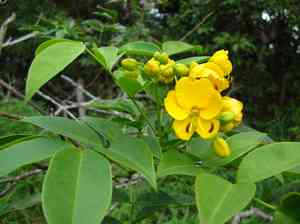
Arsenic bush (Senna septemtrionalis)
Also known as: Hill senna, Yellow shower
The shrub you're asking about is Scotch Broom (Cytisus scoparius). Known for its bright yellow flowers, it has become an invasive species in various regions, including Australia, Ecuador, New Zealand, and Hawaii. Its ability to spread quickly allows it to outcompete native plants, leading to significant ecological disruption.
In This Article
Attributes of Arsenic bush
Lifespan
Perennial
Plant Type
Tree, Shrub
Plant Height
1 m to 7 m
Spread
1 to 2 meters
Leaf Color
Green
Flower Size
1.5 cm to 8 cm
Flower Color
Yellow
Images of Arsenic bush
Quickly Identify Arsenic bush
1
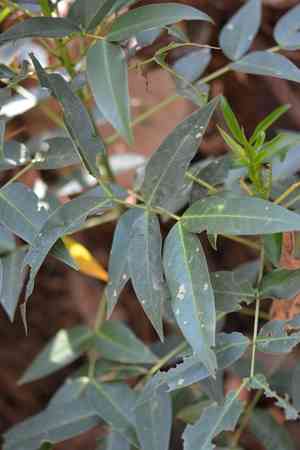
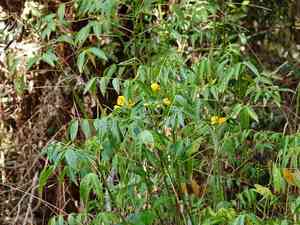
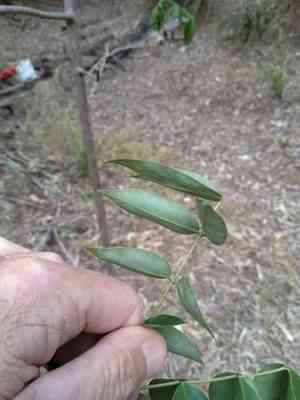
Look for its bright yellow, five-petaled flowers and pinnate leaves with 4-6 pairs of leaflets. The plant also bears smooth, elongated seed pods.
Scientific Classification of Arsenic bush
Phylum
Vascular plants
Class
Dicotyledons
Order
Fabales
Family
Legume
Genus
Sennas
Species
Arsenic bush
Planting and Growing of Arsenic bush
Care Difficulty
Easy
Watering Schedule
Every 3 days
Sunlight Requirements
Full sun
Sunshine Duration
6-10 hours
Ideal Temperature
65-80℉
Soil Type
Potting Mix, Peat Mix
Soil pH
6.5-7.5
Fertilizer Type
Balanced
Pruning Season
Spring, Summer
Pruning Area
Branches, Leaves
Pruning Frequency
2 times a year
Repotting Season
Spring
Pot Type
Plastic, Ceramic
 How to Water Arsenic bush?
Senna septemtrionalis thrives on consistent soil moisture. Each watering session should provide around 500 ml of water to thoroughly moisten the root zone while ensuring that excess water can freely drain away. The amount should saturate the soil adequately but not leave it waterlogged.
What are the symptoms of an underwatered Arsenic bush?
›
What should I do if my Arsenic bush is not getting enough water?
›
What are the symptoms of an overwatered Arsenic bush?
›
How to save an overwatered Arsenic bush?
›
 What Are the Sunlight Requirements for Arsenic bush?
Senna septemtrionalis thrives under full sun and partial sun conditions, where it can benefit from abundant light. Ideal lighting ensures robust growth, vibrant leaf coloration, and plentiful flowering.
More About Sunlight Requirements Techniques→
Best Placement for Maximum Light
›
Adjusting Light Intensity
›
Seasonal Light Adjustments
›
 What Is the Ideal Temperature Range for Arsenic bush?
For optimal growth, Senna septemtrionalis thrives in temperatures between 65°F and 80°F. This range provides the necessary warmth for photosynthesis to occur efficiently, promoting lush foliage and vibrant flower development.
 What Soil is Best for Arsenic bush?
Senna septemtrionalis thrives in nutrient-rich soil, which provides a steady supply of essential nutrients. This ensures robust growth and vibrant flowering, making your garden a lively spectacle of nature. The roots of Senna septemtrionalis dislike waterlogging. Well-draining soil helps in preventing root rot, promoting healthy root development, and ensuring the plant remains in optimum health. While ensuring good drainage, the soil should also retain adequate moisture to support the plant during dry spells. This balance keeps Senna septemtrionalis hydrated, enhancing its growth and bloom potential.
 How to Fertilize Arsenic bush?
For Senna septemtrionalis, it is important to use a balanced fertilizer. A good rule of thumb is to use around 1/2 tablespoon per gallon of water for liquid fertilizers. For slow-release fertilizers, apply about 1 teaspoon per square foot of soil. Avoid over-fertilizing to prevent root burn.
 How to Prune Arsenic bush?
Begin by inspecting the plant for any dead or diseased branches. Using sharp, sterilized pruning shears, remove these branches at the base to prevent further spread of diseases. Trim the Senna septemtrionalis to maintain a pleasing shape, focusing on cutting back any overly long or leggy branches to encourage more compact, bushy growth. To boost flowering, prune back flowering stems after blooms have faded. This not only tidies up the plant but also encourages a second flush of blooms in the same growing season.
More About Pruning Techniques→
 How to Propagate Arsenic bush plant?
1
Start by soaking the seeds in warm water for 24 hours to break their dormancy. This step is crucial to improve germination rates and ensure that more seeds sprout successfully.
2
Sow the seeds in a seed tray filled with a quality seed-starting mix. Cover them lightly with soil and maintain consistent moisture to encourage germination, usually within two to three weeks.
3
Select healthy stems and use pruning shears to cut segments of about 4-6 inches. Ensure each cutting has at least one node, and remove leaves from the lower half before planting in a well-draining soil mix.
 How to Repot Arsenic bush plant?
1
Senna septemtrionalis benefits from repotting when you notice roots emerging from the drainage holes or when the plant's growth seems stunted. Ideally, repotting should be done during the active growing seasons of spring or summer when the plant can recover its strength more quickly.
2
Select a pot that is one size larger than the existing one to provide space for root growth, ensuring it has proper drainage holes. A well-chosen pot aids in preventing root rot and maintaining the plant's optimal growth conditions by offering enough room for wet soil to dry evenly.
3
Opt for a well-draining, compost-rich potting mix to provide nutrients while avoiding over-saturation. This type of soil helps in maintaining appropriate moisture levels, supports robust root development, and minimizes the risk of fungal infections or other soil-borne diseases.
Toxicity
Ingestion, Skin contact
WARNING
The judgment on toxicity and danger is for reference only. We DO NOT GUARANTEE any accuracy of such judgment. Therefore, you SHALL NOT rely on such judgment. It is IMPORTANT TO SEEK PROFESSIONAL ADVICE in advance when necessary.



