How to Prune Arsenic bush?
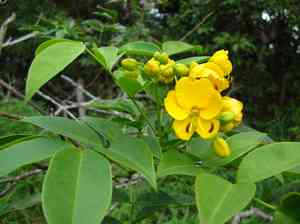
Characterized by its prominent yellow blossoms and sturdy woody framework, arsenic bush is a hardy shrub. Essential trimming methods involve excising deceased or ailing limbs, sculpting for visual appeal, and managing overall dimensions. The most effective time for pruning is from late winter to early spring, aligning with its inactive phase. Trimming during this interval invigorates spring development and contributes to the plant's well-being. Particular advantages encompass enhanced air movement and light access, thereby diminishing the likelihood of ailments. Horticulturalists should employ sanitized, keen implements for accurate incisions.
Advantages of Trimming Arsenic Bush
Advantages of Trimming Arsenic Bush
Trimming arsenic bush encourages robust, strong development and assists in maintaining the plant's desired shape. Consistent cutting keeps arsenic bush neat, and prevents excessive growth that could otherwise result in poor structure and reduced vitality.
Optimal Time for Pruning Arsenic Bush
Optimal Time for Pruning Arsenic Bush
Pruning arsenic bush in late winter or early spring is recommended as this coincides with the end of the plant's dormant phase and just before the start of its new growth cycle. Late winter pruning prepares arsenic bush for vigorous spring growth by eliminating any dead or diseased wood, which can impede the plant's health and productivity. By pruning in early spring, gardeners can shape arsenic bush and manage its size with clearer visibility of its structure before new foliage appears. Furthermore, this timing ensures that any flowers or fruits, which typically form on new growth, are not negatively affected. It promotes healthier, more resilient plants that are better able to resist pests and diseases. These suggestions are based on general guidelines for pruning plants with similar growth cycles and should be adjusted for specific regional climates and micro-environments where arsenic bush is cultivated.
Tools Required for Pruning Arsenic Bush
Hand pruners
Perfect for cutting small branches and twigs of arsenic bush, ensuring precise cuts without causing significant harm to the plant.
Loppers
Effective for reaching and cutting thicker branches that hand pruners cannot easily manage, providing leverage and extended reach.
Pruning saw
Essential for removing larger branches of arsenic bush, which may be too thick for hand pruners and loppers.
Gardening gloves
To safeguard hands from thorns and scratches when pruning arsenic bush, ensuring gardener safety.
Safety glasses
To protect eyes from debris that may result from cutting branches and leaves of arsenic bush.
How to Prune Arsenic Bush
Sanitize Tools
Before pruning arsenic bush, sterilize all pruning tools to prevent the spread of disease. Use a solution of one part bleach to nine parts water to clean the blades.
Remove Dead Branches
Identify and remove all dead branches from arsenic bush by making clean cuts at a 45-degree angle, just above a live bud or branch junction.
Cut Diseased Branches
Carefully remove diseased branches from arsenic bush, cutting well below the affected areas to ensure complete removal of the diseased tissue.
Dispose
Immediately dispose of any removed dead or diseased branches far from arsenic bush to avoid re-infection or attracting pests.
Seal Cuts
If needed, apply a natural tree wound sealer to the cuts on arsenic bush to protect against pests and diseases.
Common Pruning Errors with Arsenic Bush
Excessive Pruning
Removing too much foliage from arsenic bush in one go can stress the plant, leading to reduced vigor and sparse growth.
Dull Tools
Using dull or unclean pruning tools can cause unnecessary injury to arsenic bush's branches, risking disease and impeding recovery.
Incorrect Cut Placement
Making cuts too far from a bud or node, or too close to it, can result in poor growth or dieback in arsenic bush.
Tearing Bark
Pruning without a clean, sharp cut may lead to the bark tearing, which can invite pests and disease, compromising arsenic bush's health.
Neglecting Diseased Material
Failing to remove or properly dispose of diseased branches and leaves can spread pathogens throughout arsenic bush.
Pruning Symmetry
Over-focusing on symmetry can lead to excessive removal of arsenic bush's branches, neglecting the plant's natural growth pattern.
General Pruning Advice for Arsenic Bush
Sharp Clean Tools
Always use sharp, sterilized pruning shears or scissors to make clean cuts on arsenic bush, which facilitate quick healing and minimal stress.
Correct Cut Angle
Cut arsenic bush's branches at a 45° angle, about 1/4 inch above a bud or node that faces outwards to promote outward growth and prevent water accumulation.
Gradual Pruning
Adopt a gradual approach when pruning arsenic bush to avoid shock; this allows the plant to recover and grow back healthier.
Healthy Growth Removal
Regularly remove any dead, diseased, or overgrown branches to encourage arsenic bush's healthy growth and airflow.
Post-Pruning Care
Provide arsenic bush with adequate water and nutrients after pruning to support recovery and new growth.
Visual Inspection
Before pruning, visually inspect arsenic bush to assess its shape and health, and to determine which specific areas require attention.



