How to Transplant Dwarf senna?
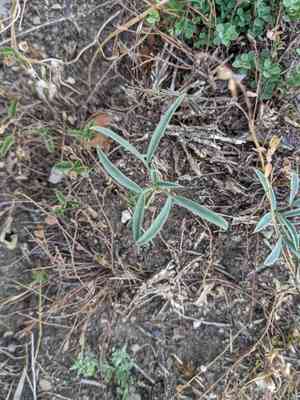
Dwarf senna flourishes when relocated from the beginning to the end of spring, facilitating strong root development. Select a bright, adequately drained spot. Verify that the soil is abundant in nutrients. Moving the plant during this timeframe capitalizes on ideal growing circumstances and minimizes transplant stress.
What Preparations are Needed Before Transplanting Dwarf Senna?
What is the Ideal Time for Transplanting Dwarf Senna?
The best time to move dwarf senna is from early to late spring, when the ground is workable and temperatures are mild. Transplanting at this time promotes strong root development and minimizes shock, leading to healthier, more resilient perennial growth.
How Much Space Should You Leave Between Dwarf Senna Plants?
When transplanting your dwarf senna, it's advisable to position them 18-24 inches (45-60 cm) apart. This spacing allows ample room for growth and prevents competition for essential resources.
What is the Best Soil Mix for Dwarf Senna Transplanting?
Prepare a soil mixture that drains well for your dwarf senna. A sandy loam blend is effective. Enriching the soil with compost or a balanced slow-release fertilizer will provide a beneficial start for the plant.
Where Should You Relocate Your Dwarf Senna?
Select a sunny location in your garden for relocating your dwarf senna. This plant thrives in full sun, meaning approximately 6-8 hours of direct sunlight daily. Adequate sunlight ensures vigorous growth and abundant blooms.
What Equipments Should You Prepare Before Transplantation Dwarf Senna?
Gardening Gloves
To safeguard your hands while handling soil and plants.
Shovel or Spade
For digging around and underneath the plant to extract it.
Hand Trowel
Useful for excavating smaller holes for replanting.
Garden Fork
To gently loosen the earth surrounding the plant.
Watering Can or Hose
To hydrate the plant before and after its relocation.
Mulch
To aid in retaining soil moisture and regulating temperature.
How Do You Remove Dwarf Senna from the Soil?
How Do You Remove Dwarf Senna from the Soil?
From Ground: First, moisten the dwarf senna plant's soil with water. Next, use a shovel or spade to dig a wide trench around the plant, ensuring the root ball remains intact. Carefully work the spade beneath the root ball to lift the plant from its original spot.From Pot: Begin by watering the dwarf senna plant to make the soil easier to manage. Gently tilt the pot and tap its bottom to loosen the plant. Carefully slide the plant out, making sure the root ball stays whole.From Seedling Tray: Water the seedlings initially. Use a hand trowel to carefully lift the seedlings from the tray, scooping under the roots to keep them intact. Handle the seedlings by their leaves to avoid damaging their delicate stems.
Step-by-Step Guide for Transplanting Dwarf Senna
Site Preparation
Prepare the new planting area by digging a hole that is twice as wide and as deep as the dwarf senna plant's root ball. This provides ample space for root expansion and growth.
Plant Removal
Follow the appropriate removal procedure based on the dwarf senna plant's current location, whether it's from the ground, a pot, or a seedling tray.
Transplanting
Position the dwarf senna plant in the prepared hole, ensuring the top of the root ball is level with the surrounding soil. Backfill the hole with soil, gently firming it around the roots to eliminate air pockets.
Watering
Thoroughly water the dwarf senna plant after transplanting to help settle the soil around its roots.
Apply Mulch
Spread a layer of mulch around the plant's base to help retain moisture and regulate temperature. Keep the mulch a few inches away from the stem to prevent rot.
How Do You Care For Dwarf Senna After Transplanting?
Watering
Maintain consistent soil moisture around the dwarf senna, avoiding sogginess, for the initial weeks post-transplant to encourage strong root development.
Protection
Depending on your climate, consider providing temporary shade to prevent transplant shock caused by direct sun exposure.
Monitoring
Regularly inspect the dwarf senna plant for signs of stress, such as wilting or yellowing leaves, and adjust care routines as necessary.
Troubleshooting Common Issues with Dwarf Senna Transplantation.
When is the best time to transplant dwarf senna?
Early to late spring is the optimal period for transplanting dwarf senna.
How should I prepare the soil for dwarf senna?
Ensure well-draining soil enriched with compost to enhance fertility and moisture retention.
What is the recommended spacing for transplanting dwarf senna?
Space dwarf senna plants 18-24 inches (45-60 cm) apart to allow sufficient growth room.
How do I minimize transplant shock for dwarf senna?
Water thoroughly after transplanting and keep the soil consistently moist during the first few weeks.
What should I do if dwarf senna leaves droop after transplanting?
This is normal; keep the plant well-watered and ensure it's not exposed to direct, harsh sunlight.
How deep should I plant dwarf senna?
Plant dwarf senna at the same depth it was previously growing to avoid stress.
Can I transplant dwarf senna in summer?
It's best to avoid summer transplanting, as high temperatures can increase transplant stress.
How should I water dwarf senna after transplanting?
Water thoroughly until the soil is consistently moist but not waterlogged, especially in the initial stages.
Do I need to fertilize dwarf senna immediately after transplanting?
Wait a few weeks before fertilizing to allow the plant to establish in its new location.
What should I do if dwarf senna becomes leggy after transplanting?
Ensure adequate sunlight and avoid crowding to promote stronger, more compact growth.



