How to Prune Dwarf senna?
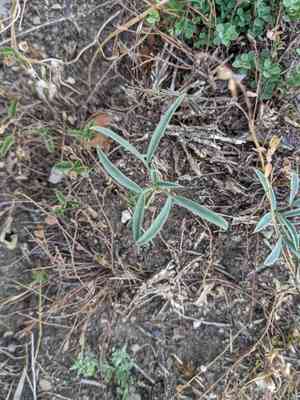
Chamaecrista nictitans displays petite, vibrant yellow blossoms and a dense growth pattern. Perform pruning in early spring to eliminate lifeless limbs and stimulate a more compact form. After the blooming period, trim to preserve its contour and dimensions. Routine trimming enhances air movement and diminishes the likelihood of ailments. Refrain from extensive pruning, as this can cause stress to the plant, resulting in fewer flowers. Steady, gentle trimming aids in sustaining a robust and appealing look.
Advantages of Trimming Dwarf Senna
Advantages of Trimming Dwarf Senna
Dwarf senna benefits from trimming by maintaining its form and encouraging robust development. Regular trimming promotes a stronger, more appealing structure, enhances blooming, and helps control its size for garden spaces.
Optimal Time for Trimming Dwarf Senna
Optimal Time for Trimming Dwarf Senna
Trimming dwarf senna in early spring is ideal due to its growth cycle and seasonal behavior. During early spring, dwarf senna is dormant, which minimizes stress when branches are removed. Trimming at this time also encourages healthier growth as the plant enters its active phase. Additionally, early spring trimming helps shape the plant before new leaves and flowers appear, leading to a more vibrant display during the flowering period. This timing also reduces the risk of diseases and pests, which are less active in cooler months.
Tools Required for Trimming Dwarf Senna
Bypass Pruners
These are crucial for making clean cuts on live wood and branches. The bypass mechanism ensures precise cuts without crushing the stems of dwarf senna.
Pruning Shears
Useful for smaller, thinner branches of dwarf senna. These shears are perfect for accurate cuts and keeping the plant neat.
Loppers
For thicker branches that bypass pruners cannot handle, loppers are essential. They provide the leverage needed to cut through thicker stems of dwarf senna.
Hand Saw
A small, sharp hand saw can be useful for removing larger branches or stems, ensuring a clean cut without tearing the plant tissue of dwarf senna.
Gloves
Protective gloves are vital to shield hands from thorns, sap, and debris while trimming dwarf senna.
How to Trim Dwarf Senna
Sanitize tools
Ensure all trimming tools are clean and disinfected to prevent disease spread. Use a solution of one part bleach to nine parts water.
Evaluate plant
Inspect the plant carefully to identify diseased leaves, withered leaves, dead branches, and diseased branches that require trimming.
Remove diseased leaves
Carefully cut off all diseased leaves using sharp trimming scissors. Make clean cuts and avoid tearing the leaves.
Trim withered leaves
Remove any withered or yellowing leaves. Cut them close to the stem without harming healthy parts of the plant.
Cut dead and diseased branches
Trim dead and diseased branches back to where healthy tissue begins. Make cuts at a 45-degree angle to aid healing.
Common Trimming Errors with Dwarf Senna
Incorrect cutting technique
Using dull or unsuitable tools for trimming can harm the plant tissues of dwarf senna, leading to poor healing and increased vulnerability to disease.
Excessive trimming
Removing too much foliage at once can weaken dwarf senna, reducing its overall vigor and negatively affecting its flowering potential.
Trimming at the wrong nodes
Cutting too close to buds or not making clean cuts can impede new growth, causing dieback or misshapen branches in dwarf senna.
Ignoring diseased or dead parts
Failing to remove dead or diseased branches can facilitate the spread of pathogens and pests, compromising the health of dwarf senna.
General Trimming Advice for Dwarf Senna
Use sharp tools
Always use sharp, sterilized trimming shears or loppers to ensure clean cuts, which help dwarf senna heal faster and reduce disease risk.
Remove deadwood first
Begin by removing any dead, damaged, or diseased branches. This prioritizes the health of dwarf senna and promotes better air circulation within the plant.
Follow natural shape
Trim dwarf senna to maintain its natural shape and size. Avoid drastic reshaping as it can stress the plant and inhibit flowering.
Cut at an angle
Make all trimming cuts at a slight angle to prevent water from pooling on the cut surface, which helps avoid rot and disease in dwarf senna.
Pace your trimming
If significant trimming is necessary, do it gradually over several sessions to avoid shocking dwarf senna and to monitor its response for any adverse effects.



