How to Propagate Dwarf senna?
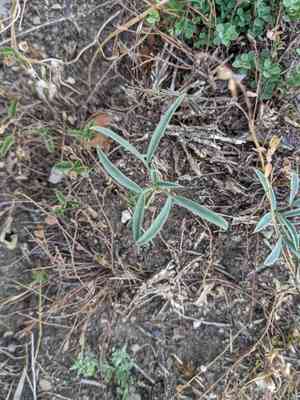
Senna obtusifolia is a compact, appealing bush recognized for its vibrant yellow blossoms. For optimal outcomes, propagate via stem sections; select robust 4-6 inch segments, strip off the bottom foliage, and insert into a damp, well-aerated potting blend. Positioning the cuttings in filtered light and ensuring steady hydration facilitates root development. Sufficient warmth and atmospheric moisture improve the chances of success.
Optimal Period for Dwarf Senna Propagation
Propagation Method
Cutting
Propagation Period
Spring,Summer
Tools Required for Dwarf Senna Propagation
Pruning Shears
Pruning shears are vital for obtaining clean, healthy cuttings from dwarf senna. Their sharp blades allow for precise cuts, minimizing plant damage and reducing disease risk.
Rooting Hormone
Rooting hormone aids in stimulating root formation in cuttings. Dipping the cut end of dwarf senna into rooting hormone improves its chances of successful rooting.
Propagation Trays and Cells
Propagation trays and cells keep dwarf senna cuttings organized and offer a controlled setting for root development. They assist in maintaining ideal moisture levels and prevent disturbance to the cuttings.
Misting Bottle
A misting bottle is essential for maintaining humidity around dwarf senna cuttings. Keeping the cuttings' environment moist helps prevent them from drying out before roots form.
Heat Mat
A heat mat provides consistent warmth from below, which promotes faster root development in dwarf senna cuttings. It creates an optimal, warm environment for quicker growth.
Transparent Plastic Dome
A transparent plastic dome helps maintain a high humidity environment for dwarf senna cuttings. It prevents moisture loss and creates a mini-greenhouse effect.
Sterilized Potting Mix
Using a sterilized potting mix ensures dwarf senna cuttings are not exposed to pathogens or pests that could harm their health. It provides a clean, nutrient-rich medium for rooting.
How to Propagate Dwarf Senna?
Propagation Difficulty
Moderately Difficult
Caring for Your Newly Propagated Dwarf Senna
Caring for Your Newly Propagated Dwarf Senna
After successful rooting, gradually introduce dwarf senna to less humid conditions by reducing the cover. Once established, transplant dwarf senna to a larger container or garden bed with well-drained soil. Provide regular watering during dry spells, ensure it receives full sun to partial shade, and prune lightly to maintain its shape and encourage bushier growth.
Common Errors to Avoid When Propagating Dwarf Senna
Overwatering
Excessive moisture can lead to root rot and fungal diseases, which are harmful to the plant's health and can impede successful propagation.
Using Poor Quality Seeds
Old or improperly stored seeds may have low viability, resulting in poor germination rates.
Insufficient Light
Lack of adequate sunlight can prevent seedlings from growing robustly, leading to weak plants that struggle to establish.
Suboptimal Soil
Using soil that doesn't drain well or lacks necessary nutrients can impair root development and overall plant vigor.
Improper Temperature Control
Failure to maintain appropriate temperatures can lead to slow or failed germination, as well as poor seedling growth.
Tips For Propagating Dwarf Senna
Proper Watering
Ensure soil is moist but not waterlogged; this helps prevent root diseases and supports healthy growth.
Use Fresh, Viable Seeds
Select seeds from reputable sources and store them in cool, dry conditions to maintain their viability.
Provide Adequate Light
Place seedlings in a location where they can receive plenty of natural light or use grow lights to ensure they get the light they need for healthy development.
Well-Draining Soil Mix
Use a soil mix that ensures good drainage and is rich in nutrients to support seedling growth and root development.
Temperature Regulation
Maintain a consistent, warm temperature to encourage effective germination and vigorous seedling growth.



