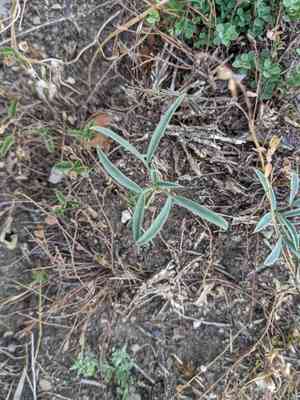
Dwarf senna (Senna pumilio)
Also known as: Pumilio Senna
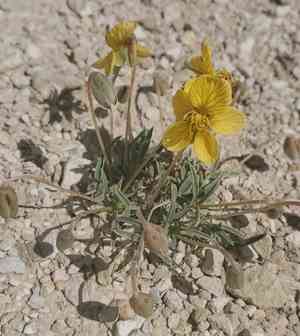
The dwarf senna is a hardy, compact shrub well-suited for arid environments. It forms dense, low-growing clusters with fine, green foliage that conserves water. The small, bright yellow flowers bloom in clusters, adapted to withstand intense sunlight and limited water availability. Its growth habits indicate a high level of adaptation, enabling it to flourish where many other plants cannot survive.
In This Article
Attributes of Dwarf senna
Lifespan
Perennial
Plant Type
Shrub
Plant Height
0.3-1 meter
Spread
0.5-1 meter
Leaf Color
Green
Flower Size
1-2 cm
Flower Color
Bright yellow
Images of Dwarf senna
Quickly Identify Dwarf senna
1
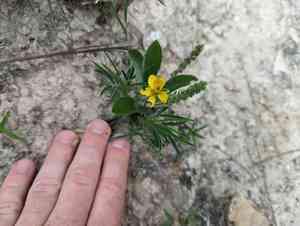
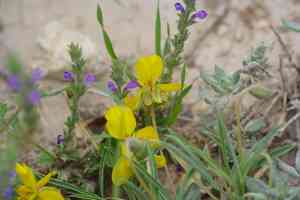
Look for a small shrub with compound leaves, typically arranged in pairs. The plant produces bright yellow, pea-like flowers in clusters. Seed pods that develop later are also a distinguishing characteristic.
Scientific Classification of Dwarf senna
Phylum
Vascular plants
Class
Dicotyledons
Order
Fabales
Family
Legume
Genus
Sennas
Species
Dwarf senna
Planting and Growing of Dwarf senna
Care Difficulty
Easy
Watering Schedule
Every 2 days
Sunlight Requirements
Full sun
Sunshine Duration
4-8 hours
Ideal Temperature
65-77℉
Soil Type
Potting Mix, Peat Mix
Soil pH
6.5-7.5
Fertilizer Type
Balanced
Pruning Season
Spring, Summer
Pruning Area
Branches, Leaves
Pruning Frequency
2 times a year
Repotting Season
Spring
Pot Type
Plastic, Ceramic
 How to Water Dwarf senna?
Senna pumilio requires a balanced approach to watering. Aim to provide around 200 ml of water per session, ensuring that it penetrates deeply into the soil. The soil should be moist but not waterlogged, as well-drained soil mimics its natural habitat. Monitor how quickly the soil dries out to adjust the watering volume if needed.
What are the symptoms of an underwatered Dwarf senna?
›
What should I do if my Dwarf senna is not getting enough water?
›
What are the symptoms of an overwatered Dwarf senna?
›
How to save an overwatered Dwarf senna?
›
 What Are the Sunlight Requirements for Dwarf senna?
Senna pumilio ideally thrives in full to partial sunlight. Adequate light fosters vibrant blooms and strong foliage, contributing to its overall vigor and resilience.
What is the best lighting condition for Senna pumilio?
›
How can you ensure Senna pumilio receives ideal light?
›
What benefits does ideal lighting bring to Senna pumilio?
›
 What Is the Ideal Temperature Range for Dwarf senna?
For optimal growth, Senna pumilio thrives best in temperatures ranging from 65°F to 77°F. This range ensures that the plant can perform photosynthesis efficiently, promoting vibrant foliage and healthy growth.
 What Soil is Best for Dwarf senna?
Senna pumilio thrives best in well-drained soil that prevents waterlogging. This helps in avoiding root rot and ensures that the roots get adequate oxygen, promoting healthy growth. The plant prefers soil with moderate fertility. This balance aids in steady growth without excessive foliage that can weaken the plant structure and makes it more resilient to environmental stresses. A nutrient-rich soil is essential for Senna pumilio as it supports the plant's vibrant growth and vibrant yellow flowers. It ensures a steady supply of essential minerals needed for robust plant health.
 How to Fertilize Dwarf senna?
For Senna pumilio, an appropriate amount of fertilizer should be carefully measured. Use about 1/4 teaspoon of liquid fertilizer per gallon of water, applied once every two weeks. This provides essential nutrients without overwhelming the plant. For solid fertilizers, use approximately 1 tablespoon per plant, applied at the start of the growing season to ensure gradual nutrient release.
 How to Prune Dwarf senna?
Before you begin pruning, make sure your shears or pruners are sterilized. This prevents disease transmission, ensuring your Senna pumilio stays healthy. Use rubbing alcohol or a bleach solution to clean the blades thoroughly. Examine the plant for any dead or damaged branches. Cutting these off at their base encourages better light penetration and air circulation. Removing deadwood also prevents decay, which could spread to healthier parts of the plant. Trim back the plant to maintain its natural shape. Focus on creating a rounded silhouette, which is typical for this species. Trim evenly around the plant, removing any branches that disrupt the desired shape or direction of growth. Control excess or unwanted growth by trimming back any branches that are too long or redundant. This encourages a robust habit and prevents the plant from becoming leggy. Aim to cut back to a node to stimulate new growth.
More About Pruning Techniques→
 How to Propagate Dwarf senna plant?
1
Start by soaking the seeds in warm water for 24 hours to enhance their germination rate. This process softens the seed coat, allowing moisture to penetrate, which is vital for successful germination.
2
Fill the seed trays with the sterilized potting mix and create small indents for the seeds. Plant the seeds at a depth of about twice their width, ensuring they are lightly covered with soil.
3
After sowing, water the seeds lightly using a spray bottle to avoid displacing the seeds. Maintain consistent moisture levels and place the trays in a warm, bright location, but out of direct sunlight.
 How to Repot Dwarf senna plant?
1
Senna pumilio should be repotted when you notice roots vigorously protruding through the drainage holes or the plant showing signs of stunted growth. Ideally, the best time to repot is during its active growing seasons, spring or early summer, to minimize stress.
2
Select a pot that is just one size larger than the current one to prevent waterlogging, and ensure it has excellent drainage holes. Using a slightly bigger pot will provide enough room for root expansion without overwhelming the plant, simulating a balanced and controlled growth environment.
3
Opt for a well-draining loamy mix that mimics its natural habitat. Enrich the soil with a balanced mix of organic matter to provide essential nutrients while ensuring good aeration. This will aid in preventing root rot and promoting healthy growth.
Toxicity
Ingestion of plant material
WARNING
The judgment on toxicity and danger is for reference only. We DO NOT GUARANTEE any accuracy of such judgment. Therefore, you SHALL NOT rely on such judgment. It is IMPORTANT TO SEEK PROFESSIONAL ADVICE in advance when necessary.
Learn More About Dwarf senna Diseases
Anthracnose
Bacterial Leaf Spot
Bacterial Wilt
Chemical Injury
Crown Gall
Cyst Nematode
Damping-off
Downy Mildew
Drought Stress
Fusarium Wilt
Gray Mold
Leaf Spot
Mosaic
Nutrient Deficiency
Nutrient Toxicity
Powdery Mildew
Root Rot
Root-knot Nematode
Rusts
Sooty Mold
Spider Mites
Temperature Stress
Thrips Damage
White Mold



