How to Transplant Mountain groundsel?
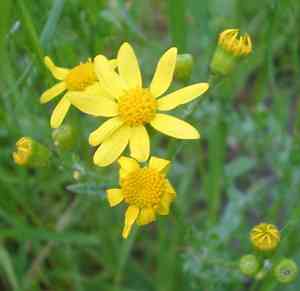
The optimal period for relocating mountain groundsel is from early spring until its full bloom, ensuring its placement in adequately drained earth receiving abundant solar exposure. Bear in mind, careful management of its root system enhances its successful integration.
What Preparations are Needed Before Transplanting Mountain Groundsel?
What is the Ideal Time for Transplanting Mountain Groundsel?
The optimal period for relocating mountain groundsel spans from the onset of early spring to the peak of late spring. During this interval, the mild weather promotes robust root development, which is crucial for an annual plant like mountain groundsel. Moderate temperatures and extended daylight hours support the rapid growth and vitality necessary for the upcoming growing season. By transplanting mountain groundsel at this time, you will witness a display enhanced in health and beauty, ensuring your garden transforms into a vibrant haven adorned by mountain groundsel's magnificent blossoms.
How Much Space Should You Leave Between Mountain Groundsel Plants?
Hello there, gardening enthusiast! For your lovely mountain groundsel plants, let's provide ample room to thrive. Aim to space them approximately 6-12 inches (15-30 cm) apart. This will allow their roots to expand without overcrowding their neighbors!
What is the Best Soil Mix for Mountain Groundsel Transplanting?
To nurture your mountain groundsel, consider preparing a comfortable bed with well-drained soil. Incorporate a measure of balanced, slow-release fertilizer to give them a head start. You are establishing a supportive environment for their development!
Where Should You Relocate Your Mountain Groundsel?
Your mountain groundsel adores basking in sunlight! Locate a sunny spot in your garden that receives abundant sunlight throughout the day. This prime location will help your mountain groundsel flourish and reach for the sky!
What Equipments Should You Prepare Before Transplantation Mountain Groundsel?
Gardening Gloves
To safeguard your hands while handling soil and plants.
Shovel or Spade
For excavating the plant and preparing the new planting site.
Watering Can or Hose
To hydrate the plant before and after relocation.
Trowel
To refine the planting hole or assist in removing the plant from a container or tray.
Garden Fork
To loosen the soil around the plant's root system during extraction.
Pruners or Scissors
To trim any damaged roots or foliage.
Wheelbarrow or Plant Carrier
To move the plant from one spot to another without causing harm.
Organic Mulch
To help maintain soil moisture and regulate temperature post-transplant.
How Do You Remove Mountain Groundsel from the Soil?
How Do You Remove Mountain Groundsel from the Soil?
From Ground: Hydrate the mountain groundsel to moisten the soil, making it easier to manage. Use a garden fork or shovel to loosen the soil surrounding the plant, being careful not to harm the roots. Gently lift the plant, preserving as much of the root ball as possible.From Pot: Begin by watering your mountain groundsel to dampen the root ball and facilitate its removal from the pot. Tilt the pot and gently tap its sides or press the bottom to help ease the plant out. Support the plant by its base and carefully extract it from the pot.From Seedling Tray: Water the seedlings to ensure the soil is moist. Use a trowel or your fingers to carefully separate the mountain groundsel from their cells, ensuring the root ball remains intact. Handle the seedlings with care to prevent damage.
Step-by-Step Guide for Transplanting Mountain Groundsel
Preparation
Thoroughly water the mountain groundsel before initiating the transplanting process to minimize shock.
Removing the Plant
Employ the appropriate method from the removal process to extract your mountain groundsel from its current location without harming the root system.
Transplant Hole
Excavate a hole in the new site that is as deep as the root ball and twice its width, allowing space for roots to spread.
Placement
Position the mountain groundsel in the center of the hole. The top of the root ball should be level with the surrounding soil surface.
Filling the Hole
Backfill the hole with the excavated soil, gently firming around the base to eliminate air pockets.
Watering
Water the plant generously after transplanting to settle the soil around the root ball and aid in recovery.
Mulching
Apply a layer of organic mulch around the base of the mountain groundsel, avoiding direct contact with the stem, to retain soil moisture and control weeds.
How Do You Care For Mountain Groundsel After Transplanting?
Watering
Ensure the soil around the mountain groundsel remains consistently moist, particularly during the initial weeks of establishment.
Monitoring
Observe your mountain groundsel for indications of transplant shock, such as wilting or discolored leaves, and address them promptly.
Support
If the mountain groundsel is tall or the location is exposed, consider staking the plant to shield it from strong winds.
Pruning
Trim away any broken or damaged foliage to encourage new growth and a healthy recovery post-transplant.
Weeding
Regularly remove weeds around the mountain groundsel to reduce competition for nutrients and water.
Troubleshooting Common Issues with Mountain Groundsel Transplantation.
What's the best time to transplant mountain groundsel?
The optimal period for transplanting mountain groundsel is from early to late spring, once the risk of frost has passed.
How far apart should I space mountain groundsel during transplanting?
Aim for a spacing of 6-12 inches (15-30 cm) between plants to ensure proper growth.
What to do if mountain groundsel wilts after transplanting?
Ensure it receives adequate water and is protected from intense sunlight. It may require time to acclimate.
Why are the leaves of mountain groundsel yellowing post-transplant?
Yellow leaves can indicate excessive watering or inadequate soil drainage. Monitor moisture levels and adjust as needed.
How deep should the hole be when transplanting mountain groundsel?
The hole should match the depth of the root ball and be twice as wide to promote spreading.
Can mountain groundsel be transplanted in a pot?
Absolutely! Ensure your pot has sufficient drainage and is appropriately sized for the plant.
What kind of light conditions does mountain groundsel need after transplanting?
Ideally, mountain groundsel thrives in a location with full sunlight to partial shade.
How often should mountain groundsel be watered after transplanting?
Keep the soil consistently moist but not waterlogged during the initial weeks following transplantation.
Should I fertilize mountain groundsel right after transplanting?
Wait 4-6 weeks before fertilizing to allow mountain groundsel time to establish itself.
How can I tell if mountain groundsel has transplant shock?
Symptoms include drooping, leaf curling, or browning. Maintain optimal conditions and allow it time to recover.



