Enhancing Your Garden Design with the Mountain groundsel Plant: A Landscaping Guide
1
Mountain groundsel introduces lively hues and diverse textures to gardens.
2
It contributes to biodiversity by drawing in beneficial pollinators.
3
This plant requires minimal care and thrives in diverse garden environments.
Understanding the Role of Mountain groundsel in Landscaping
Adds vibrant colors and textures
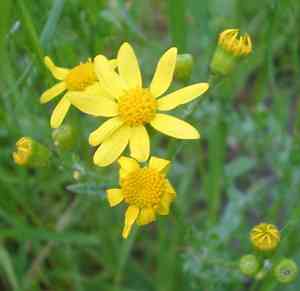
A key appeal of Mountain groundsel is its capacity to introduce vivid hues and rich textures to your garden. With its distinct foliage and blossoms, Mountain groundsel can forge striking contrasts when paired with other flora. Whether you possess a compact backyard garden or an expansive landscape, the singular visual charm of Mountain groundsel can serve as a compelling centerpiece or a complementary background plant. Its varied shades can enliven any dull area, making your garden more inviting and aesthetically pleasing.
Enhances biodiversity by attracting pollinators
Boosting garden biodiversity involves not only a variety of plants but also drawing in diverse wildlife, particularly pollinators. Mountain groundsel is notably effective at attracting bees, butterflies, and other vital pollinators. These beneficial creatures play a critical role in maintaining your garden's health and productivity. By integrating Mountain groundsel into your landscape, you establish a habitat that supports the ecosystem, ensuring your plants flourish and yield abundant blooms and fruits.
Low maintenance and adaptability
For gardeners who favor plants requiring minimal upkeep, Mountain groundsel is an excellent option. This robust plant thrives in diverse soil types and environmental conditions, demanding little care. Its adaptability makes it suitable for both novice and seasoned gardeners. Whether you have a busy schedule or simply prefer a hands-off gardening approach, Mountain groundsel can prosper with basic watering, occasional trimming, and minimal pest control. Its hardy nature ensures your garden remains lush and vibrant without constant attention.
Best Landscaping Styles for Integrating Mountain groundsel
Using Mountain groundsel in rock gardens
Rock gardens are a popular choice for gardeners aiming to add structure and natural beauty to their landscapes. Mountain groundsel is an ideal candidate for rock gardens due to its hardiness and appealing look. Placing Mountain groundsel among rocks creates a stunning contrast that highlights its colorful blooms and textured leaves. Furthermore, its ability to thrive in the well-drained soil typical of rock gardens means you can enjoy a low-maintenance, visually striking garden feature that stands out all year.
Integrating Mountain groundsel in woodland garden settings
Woodland gardens offer a tranquil, naturalistic environment that mimics a forest. Mountain groundsel can seamlessly blend into this garden type, enhancing its rustic charm. The filtered sunlight and rich, organic soil of woodland gardens provide an ideal habitat for Mountain groundsel, allowing it to flourish alongside ferns, hostas, and other shade-loving plants. By incorporating Mountain groundsel into woodland settings, you can create a lush, peaceful retreat that brings a touch of wild beauty to your landscape.
Combining Mountain groundsel with perennial plants
Perennial gardens are defined by plants that return annually, offering enduring beauty with minimal replanting. Mountain groundsel can be effectively combined with other perennials to create a dynamic and diverse planting scheme. Its colorful flowers can complement the blooms of other perennials, while its foliage can add texture and depth. By mixing Mountain groundsel with a variety of perennials, you can achieve a layered, multi-season garden that provides continuous visual interest.
Creating Focal Points with Mountain groundsel
Tips for choosing the right location
Establishing a focal point in your garden with Mountain groundsel begins with selecting the optimal site. Consider areas that naturally attract attention, such as the center of a flower bed, the edge of a path, or near a garden bench. Ensure the chosen spot receives adequate sunlight and has well-draining soil. By positioning Mountain groundsel in a prominent location, you can maximize its visual impact and make it a standout feature in your landscape.
Design ideas for standout visual appeal
To make Mountain groundsel a striking focal point, think creatively about design elements that can enhance its inherent beauty. Plant it in groups or clusters to create a bold statement, or pair it with contrasting plants to emphasize its unique characteristics. You can also use decorative elements such as stone borders, garden sculptures, or mulch to frame Mountain groundsel and draw attention to its vibrant colors and textures. These design ideas can transform Mountain groundsel into the centerpiece of your garden, captivating visitors and adding a touch of elegance to your landscape.
Seasonal Considerations for Mountain groundsel in Your Garden
Best times to plant Mountain groundsel
Timing is critical when planting Mountain groundsel to ensure proper establishment and vigorous growth. The ideal time to plant Mountain groundsel is during early spring or fall when the weather is mild, and the risk of extreme heat or frost is low. Planting during these seasons allows Mountain groundsel to develop strong roots before facing the more challenging conditions of summer or winter. By selecting the optimal planting time, you give Mountain groundsel the best chance to thrive and enhance your garden landscape.
Caring for Mountain groundsel throughout the seasons
To maintain Mountain groundsel's health and vibrancy year-round, seasonal care is essential. In spring, ensure sufficient water as new growth emerges and consider adding a balanced fertilizer to support development. During summer, monitor soil moisture levels, especially during dry spells, and provide shade if needed to protect Mountain groundsel from scorching temperatures. As autumn approaches, prune back any spent blooms and prepare the plant for winter by adding mulch to insulate the roots. With proper seasonal care, Mountain groundsel will continue to be a beautiful and resilient part of your garden.



