How to Prune Mountain groundsel?
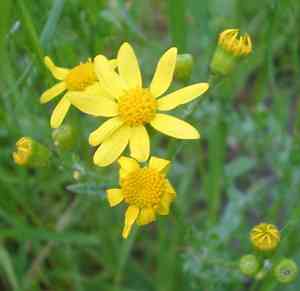
A hardy herbaceous perennial, mountain groundsel flourishes in diverse settings, showcasing prominent groupings of yellow blossoms. To ensure vigorous health and abundant flowering, snip off spent or withered blooms throughout the active growth period. Conduct pruning in early spring to stimulate fresh development, and carry out upkeep trimming as required in summer and autumn to sculpt and control its dimensions. Eliminating old stalks fosters revitalization and could prompt a subsequent bloom. Trimming enhances mountain groundsel's vigor by improving air movement and lowering the likelihood of illness.
What Are the Benefits of Pruning Mountain Groundsel?
What Are the Benefits of Pruning Mountain Groundsel?
Trimming mountain groundsel boosts its vitality and maintains a neat form. Strategic cuts encourage new development, ensuring the plant stays robust and visually appealing. Regular trimming also prevents mountain groundsel from becoming leggy or overgrown.
What Is the Best Time for Pruning Mountain Groundsel?
What Is the Best Time for Pruning Mountain Groundsel?
Pruning or trimming mountain groundsel is optimally performed in Late Spring after the final frost, as the plant begins its active growth phase; this allows for strong recovery and regeneration. Early Summer is recommended for removing any dead or damaged foliage post-spring growth, fostering healthier development and lowering disease risk. Early Fall is also suitable, following flowering, to shape the plant and remove spent blooms, which promotes better growth for the subsequent season, but should be done well before the initial frost to prevent harm to new growth that cannot harden off before winter.
What Tools Do I Need to Prune Mountain Groundsel?
Hand Pruners
Perfect for making precise cuts on mountain groundsel, hand pruners are the primary implement for removing dead or overgrown stems.
Pruning Shears
Pruning shears are appropriate for shaping mountain groundsel and managing its growth habit, ensuring the plant remains healthy and aesthetically pleasing.
Gloves
Gloves safeguard the gardener's hands from potential skin irritants in mountain groundsel's sap and from any sharp edges during pruning.
How to Prune Mountain Groundsel
Clean Tools
Sanitize the pruning shears with alcohol or a bleach solution to prevent the spread of disease when trimming mountain groundsel.
Inspect
Examine mountain groundsel carefully to identify all withered leaves that need to be removed.
Cut Withered Leaves
Use the sanitized shears to snip off withered leaves at the base of the stem, ensuring cuts are clean and do not damage neighboring healthy tissues.
Dispose
Dispose of the trimmed withered leaves away from mountain groundsel to prevent the possibility of disease transmission.
Watering
After pruning, water mountain groundsel adequately to help it recover and promote healthy new growth.
Common Pruning Mistakes with Mountain Groundsel
Overpruning
Removing too much foliage at once can stress mountain groundsel, leading to stunted growth or even plant death.
Improper Cut Placement
Cuts made too far from buds or nodes can result in unnecessary wounds and increase the risk of diseases.
Using Dull Tools
Dull pruning tools can lead to jagged cuts that are more susceptible to infections and don't heal well.
Pruning Healthy Growth
Excessive removal of healthy stems and leaves can inhibit mountain groundsel's photosynthesis and energy production.
Ignoring Dead Or Diseased Material
Failing to remove dead or diseased foliage can hinder mountain groundsel's growth and allow problems to spread.
Common Pruning Tips for Mountain Groundsel
Sharp Clean Tools
Always use sharp, clean pruning tools to make clean cuts that heal quickly, reducing the chance of disease.
Cut At Correct Angle
Make cuts at a slight angle, about 1/4 inch above an outward-facing node or bud, to promote healthy outward growth.
Focus On Damaged Sections
Prioritize the removal of dead, diseased, or damaged stems to redirect mountain groundsel's energy to healthier growth.
Thin Crowded Areas
Thin out crowded areas to increase air circulation and sunlight penetration, which can reduce the risk of fungal diseases.
Monitor Plant Response
After pruning, monitor mountain groundsel's response to ensure it is not showing signs of stress or decline, adjusting practices accordingly.



