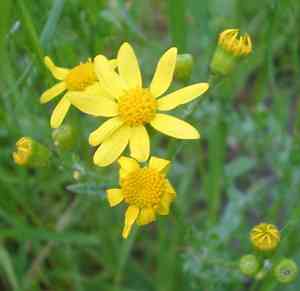
Mountain groundsel (Senecio sylvaticus)
Also known as: Heath groudsel, Heath groundsel
Sticky Groundsel (Senecio viscosus), part of the daisy family (Asteraceae), thrives in forests and disturbed areas. In some regions of the United States, it's regarded as a weed. What distinguishes it from similar species, such as common groundsel, are its unique glandular hairs.
In This Article
Attributes of Mountain groundsel
Lifespan
Annual
Plant Type
Herb
Plant Height
20 cm to 50 cm
Spread
50 cm
Leaf Color
Green
Flower Size
5 mm
Flower Color
Yellow
Images of Mountain groundsel
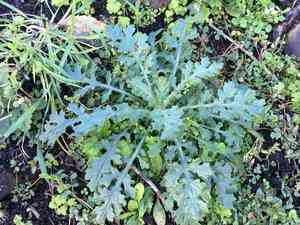
Quickly Identify Mountain groundsel
1
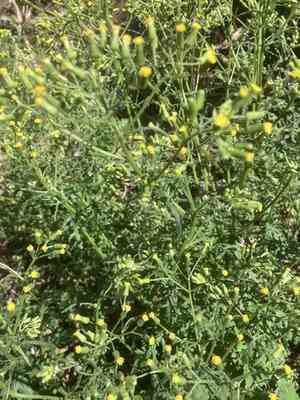
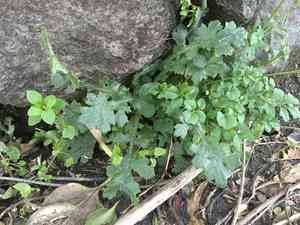
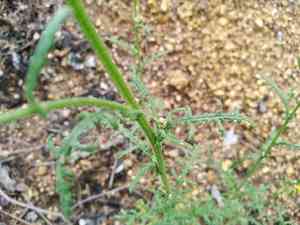
Senecio sylvaticus can be identified by its deeply lobed, toothed leaves and tall, sparsely leafed stems. The plant also produces clusters of small yellow disc flowers, without ray florets, making it distinct from other members of the Senecio genus.
Scientific Classification of Mountain groundsel
Phylum
Vascular plants
Class
Dicotyledons
Order
Asterales
Family
Daisy
Genus
Ragworts
Species
Mountain groundsel
Planting and Growing of Mountain groundsel
Care Difficulty
Easy
Watering Schedule
Every 4 days
Sunlight Requirements
Partial sun
Sunshine Duration
4-6 hours
Ideal Temperature
60-70℉
Soil Type
Potting Mix, Peat Mix
Soil pH
6-7
Fertilizer Type
Balanced
Pruning Season
Spring, Summer
Pruning Area
Branches, Leaves
Pruning Frequency
2 times a year
Repotting Season
Spring
Pot Type
Plastic, Ceramic
 How to Water Mountain groundsel?
When watering Senecio sylvaticus, ensure the soil is evenly moist but not waterlogged. The ideal amount is approximately 200 milliliters per session. Aim to moisten the top 2 inches of soil, allowing for proper drainage to avoid root rot.
What are the symptoms of an underwatered Mountain groundsel?
›
What should I do if my Mountain groundsel is not getting enough water?
›
What are the symptoms of an overwatered Mountain groundsel?
›
How to save an overwatered Mountain groundsel?
›
 What Are the Sunlight Requirements for Mountain groundsel?
The plant thrives in partial sun to full shade, benefiting from filtered light environments. Ideal light promotes compact growth, healthy foliage, and a balanced energy uptake, leading to vigorous development.
More About Sunlight Requirements Techniques→
How much sunlight does Senecio sylvaticus need?
›
What solutions enhance ideal light exposure for the plant?
›
What are the benefits of providing ideal light?
›
 What Is the Ideal Temperature Range for Mountain groundsel?
The ideal temperature range for Senecio sylvaticus is between 60°F and 70°F. Within this range, the plant can photosynthesize effectively, ensuring robust growth and vibrant foliage. Maintaining this temperature will support the plant's overall health and aid in preventing stress.
 What Soil is Best for Mountain groundsel?
Senecio sylvaticus thrives in well-draining soil, which prevents root rot and supports healthy growth. Ensuring water doesn't accumulate boosts the plant's nutrient uptake. This plant benefits from moderate nutrient levels in the soil, allowing it to grow robustly without the need for excessive fertilization. Senecio sylvaticus prefers slightly acidic soil, which enhances micronutrient availability, crucial for its vibrant foliage and flowers.
 How to Fertilize Mountain groundsel?
Senecio sylvaticus benefits from a balanced 10-10-10 liquid fertilizer. Use about 250 ml of diluted solution per plant, ensuring the soil is moist but not waterlogged. This dosage supports its growth without overwhelming its delicate root system.
 How to Prune Mountain groundsel?
When pruning Senecio sylvaticus, start by removing any dead or decaying stems and leaves using sharp, sanitized shears. Trim back any overgrown areas to maintain a pleasing shape and promote bushier growth. Ensure you do not remove more than one-third of the plant's total foliage at any one time. This helps the plant to recover quickly and continue thriving.
More About Pruning Techniques→
 How to Propagate Mountain groundsel plant?
1
Fill seed trays with a well-draining potting mix, ensuring that the soil is moist but not waterlogged. Level the surface gently with your hand to provide a smooth area for planting seeds.
2
Scatter the seeds evenly across the soil surface, taking care not to sow them too densely to allow for proper air circulation. Cover the seeds with a light layer of soil or vermiculite to ensure they remain in place and retain moisture.
3
Place the seeded trays in a location where they will receive indirect sunlight or under grow lights. Keep the soil consistently moist by gently misting with water, using care not to dislodge the seeds or young seedlings.
 How to Repot Mountain groundsel plant?
1
Repot Senecio sylvaticus when you notice roots are crowded or they begin to grow out of drainage holes. Another sign is when the plant's growth becomes stunted despite optimal care. Spring or summer is the ideal time, aligning with the plant's natural growth cycles.
2
Select a pot that is one size larger than the current one and ensures good drainage. A pot with drainage holes prevents waterlogging and root rot, crucial for maintaining the health of this drought-tolerant species.
3
Use a well-draining potting mix, preferably one designed for cacti or succulents. A mix with added sand or perlite is ideal. This soil type imitates the plant's natural habitat and prevents excess moisture, promoting healthy root growth.
Toxicity
Ingestion
WARNING
The judgment on toxicity and danger is for reference only. We DO NOT GUARANTEE any accuracy of such judgment. Therefore, you SHALL NOT rely on such judgment. It is IMPORTANT TO SEEK PROFESSIONAL ADVICE in advance when necessary.



