How to Transplant Lambstongue ragwort?
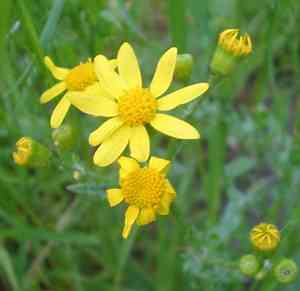
The ideal time to transplant lambstongue ragwort is at the transition from spring to summer, when the earth is warm and fertile. Select a location with good drainage and partial sunlight, then position lambstongue ragwort with ample room for its eventual size, facilitating a smooth establishment.
Essential Preparations Before Relocating Lambstongue Ragwort
Optimal Period for Relocating Lambstongue Ragwort?
The best time to move lambstongue ragwort is at the transition from spring to summer. Moving it during this timeframe takes advantage of mild weather, allowing roots to settle without the strain of extreme temperatures. This timing aligns with the plant's natural growth, ensuring a smooth shift and robust development.
Recommended Spacing Between Lambstongue Ragwort Plants?
When selecting a site for your lambstongue ragwort, ensure each plant is positioned approximately 12-18 inches (30-46 cm) apart. This provides ample room for root expansion and sufficient leaf exposure to sunlight without overcrowding.
Ideal Soil Blend for Lambstongue Ragwort Relocation?
To create the perfect bed for your lambstongue ragwort, aim for soil that drains well, enriched with organic compost. A balanced, slow-release fertilizer will give your lambstongue ragwort an excellent start. Remember to incorporate the fertilizer into the soil before planting to establish a nutrient-rich base.
Where to Replant Your Lambstongue Ragwort?
Your lambstongue ragwort will thrive in a sunny spot with some partial shade. Look for a location that receives at least 6 hours of sunlight daily. This balance guarantees your lambstongue ragwort will flourish with the appropriate amount of warmth and light.
Tools Required Before Transplanting Lambstongue Ragwort?
Gardening Gloves
To safeguard your hands while handling soil and the plant.
Trowel or Garden Spade
For excavating the lambstongue ragwort without harming its root system.
Hand Fork
To loosen the soil surrounding the plant's roots.
Watering Can or Hose
To maintain soil moisture during and after the transplanting process.
Pruning Shears
To remove any dead or damaged plant parts prior to transplanting.
Measuring Tape
To assist in correctly spacing the transplanted lambstongue ragwort.
Wheelbarrow or Plant Dolly
To move the lambstongue ragwort from its original spot to the new location.
Garden Kneeler or Knee Pads
For comfort when working close to the ground.
How to Extract Lambstongue Ragwort from the Soil?
How to Extract Lambstongue Ragwort from the Soil?
From Ground: First, ensure the soil is damp by irrigating the area around the lambstongue ragwort. Use a trowel or garden spade to dig around the plant, being careful to create a wide perimeter to avoid disturbing the root ball. Gently lift the plant, ensuring most of the roots remain intact.From Pot: Water the lambstongue ragwort to moisten the root ball. Invert the pot while supporting the plant with your hand. Tap the pot's base and sides to loosen the root ball and carefully slide the plant out.From Seedling Tray: Water the seedlings to minimize root disruption. Use a hand fork or dibber to gently pry the lambstongue ragwort from the tray. Handle the plant by its leaves rather than the stem to reduce the risk of damage.
Detailed Guide for Transplanting Lambstongue Ragwort
Transplant Timing
Confirm it's the appropriate season for transplanting lambstongue ragwort, either early spring or fall when temperatures are milder and the plant experiences less stress from extreme heat. Verify the plant's growth cycle, as it can be biennial or perennial, and schedule the transplant accordingly to align with its natural growth periods for optimal results. Avoid transplanting during the hottest part of the day or when the plant is in full bloom, as this can add stress to the lambstongue ragwort. Begin in the morning or evening when temperatures are more moderate.
Prepare the New Site
Dig a hole at the chosen location that is twice the width of the lambstongue ragwort's root ball and of equal depth. This space allows the roots to spread out and establish firmly in their new environment. If transplanting multiple lambstongue ragwort plants, space the holes sufficiently apart to provide ample room for growth without competing for nutrients and light.
Plant Removal
Carefully extract the lambstongue ragwort from its current spot. If it's in the ground, use a trowel or spade to dig around the plant with care, then lift it out, preserving the root structure. From a pot or tray, gently loosen the roots while securely supporting the plant.
Plant Insertion
Gently place the lambstongue ragwort in the center of the new hole, spreading out its roots. Backfill the hole with soil, lightly pressing around the base of the lambstongue ragwort to remove air pockets and secure the plant. Ensure the soil level around the lambstongue ragwort is consistent with its original growing position.
Watering
After transplanting, thoroughly water the lambstongue ragwort to settle the soil around the roots and help mitigate transplant shock. This initial watering is crucial for helping the roots make contact with their new soil environment.
Stabilizing
If the lambstongue ragwort is tall or exposed to wind, use garden stakes and soft ties to provide support and prevent breakage. Adjust the ties as the plant grows to avoid constricting the stems.
Observation
Monitor the lambstongue ragwort for signs of stress such as wilting or discolored leaves, and adjust care as needed. This includes providing shade if days are unusually hot or shelter from strong winds until the lambstongue ragwort is well established.
Mulching
Apply a layer of mulch around the base of the lambstongue ragwort to retain moisture, suppress weeds, and offer temperature insulation for the root system.
Post-Transplant Care for Lambstongue Ragwort
Monitoring
Closely observe the lambstongue ragwort for the initial few weeks. Transplant stress can appear as wilted or yellowed leaves. If these symptoms are noticed, evaluate and adjust the amount of water or shade provided to aid the lambstongue ragwort's recovery.
Watering Frequency
Establish a consistent watering schedule for the lambstongue ragwort to keep the soil around the root area moist. Excessive watering can lead to root rot, while insufficient watering might hinder the plant's establishment. Regularly assess the soil's moisture level by feeling a few inches below the surface.
Support Adjustment
For taller lambstongue ragwort plants that were staked, periodically check and adjust the supports to accommodate growth and prevent stem damage.
Pruning
As the lambstongue ragwort settles into its new location, trim away any dead or damaged foliage to encourage healthier growth and reduce the likelihood of disease.
Weeding
Promptly remove weeds around the lambstongue ragwort, as they can compete for resources. Be careful not to disturb the roots of your newly transplanted lambstongue ragwort when pulling out weeds.
Long-term Care
Once the lambstongue ragwort has established itself in its new location, continue with routine maintenance such as watering when necessary and annual mulching. Also, promptly watch for any pest or disease issues.
Addressing Common Issues During Lambstongue Ragwort Transplantation.
When is the best time to transplant lambstongue ragwort?
Optimal transplanting occurs from late spring to early summer, when the weather is mild.
What spacing should be used for lambstongue ragwort when transplanting?
Aim for 12-18 inches (30-45 cm) of spacing to allow lambstongue ragwort ample room to flourish.
Why does my lambstongue ragwort appear wilted after transplanting?
Wilting can be due to transplant shock. Ensure it's well-watered and initially protected from intense sunlight.
What is the preferred soil type for transplanting lambstongue ragwort?
Well-draining soil enriched with organic matter helps lambstongue ragwort establish. Avoid heavy, waterlogged ground.
How deep should the hole be when transplanting lambstongue ragwort?
The hole should match the root ball's depth but be twice its width to promote root growth.
Can lambstongue ragwort be transplanted on a hot day?
Transplanting on a hot day can stress lambstongue ragwort, so choose a cooler, overcast period for best results.
Why is my lambstongue ragwort not blooming after being transplanted?
It may be adjusting to its new location. Ensure proper care, and be patient for blooms next season.
Is it necessary to prune lambstongue ragwort when transplanting?
Pruning is not essential, but removing damaged or dead leaves can encourage healthy growth in a new spot.
How often should I water lambstongue ragwort after transplanting?
Keep the soil moist but not saturated, typically watering every 2-3 days to establish roots.
What should I do if the leaves of lambstongue ragwort turn yellow?
Yellowing may indicate overwatering or poor drainage. Reduce watering frequency and improve soil structure.



