How to Prune Lambstongue ragwort?
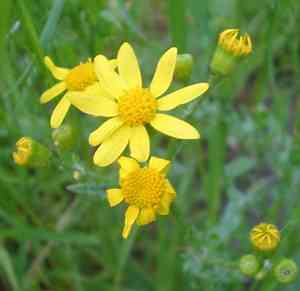
A perennial plant featuring yellow blossoms and elongated, pointed foliage, lambstongue ragwort necessitates periodic trimming for its well-being and visual appeal. Employing clean, sharp pruning tools, remove spent flowers and compromised stalks, a technique known as deadheading, to stimulate additional blooming and inhibit uncontrolled seed dispersal. Conduct pruning in the spring to eliminate winter-related harm, during summer to preserve its form and foster fresh development, and lightly in autumn. Consistent trimming benefits lambstongue ragwort by boosting its vigor, improving air circulation, and averting excessive growth.
What Are the Benefits of Pruning Lambstongue Ragwort?
What Are the Benefits of Pruning Lambstongue Ragwort?
Trimming lambstongue ragwort promotes robust development and maintains its form, ensuring a dense and thriving appearance. Strategic cuts can encourage a fuller structure, enhancing the plant's visual appeal and vigor.
What Is the Best Time for Pruning Lambstongue Ragwort?
What Is the Best Time for Pruning Lambstongue Ragwort?
Pruning lambstongue ragwort in spring is optimal as it coincides with the start of the plant's growth cycle when it emerges from dormancy. This timing allows gardeners to shape the plant and remove any dead or damaged winter foliage before new growth begins. Early summer pruning is advantageous as it occurs post-flowering, preventing the removal of current season's blooms and allowing for a period of growth and recovery before the plant re-enters dormancy. Late fall pruning, after the growing season concludes and prior to winter's arrival, helps prepare lambstongue ragwort for dormancy, eliminating any diseased or dead material that could harbor pests or diseases during colder months. These ideal pruning times foster the health, vitality, and blooming of lambstongue ragwort without disrupting its natural growth cycle.
What Tools Do I Need to Prune Lambstongue Ragwort?
Bypass Hand Pruners
These pruners create precise cuts and are perfect for trimming live stems and small branches of lambstongue ragwort. The bypass action minimizes damage to plant tissues.
Pruning Shears
These are useful for cutting flowers and deadheading lambstongue ragwort. Their accuracy allows for targeting specific areas without harming adjacent stems.
Garden Scissors
For more precise control and shaping of lambstongue ragwort, garden scissors can help maintain the desired form by trimming small leaves or stems.
Long-Handled Loppers
If lambstongue ragwort has matured and developed thicker branches, long-handled loppers can reach stems too thick for hand pruners and provide leverage without straining the gardener.
How to Prune Lambstongue Ragwort
Cleaning Tools
Before pruning lambstongue ragwort, ensure all pruning tools are cleaned and sterilized to prevent disease spread.
Removing Diseased Leaves
Carefully inspect lambstongue ragwort for diseased leaves. Using sterilized pruning shears, trim off diseased leaves at their base where they meet the stem, avoiding damage to healthy tissue.
Clearing Withered Leaves
Identify and remove any withered leaves from lambstongue ragwort by snipping them off at the base of the leaf stem to promote healthy growth and airflow.
Eliminating Dead Branches
Cut back dead branches on lambstongue ragwort to the nearest living lateral branch or bud, using clean cuts to prevent damage to the remaining healthy branches.
Pruning Diseased Branches
Trim diseased branches from lambstongue ragwort back to healthy wood, ensuring cuts are well below the affected area to stop disease spread. Dispose of diseased material properly to avoid contamination.
Common Pruning Mistakes with Lambstongue Ragwort
Over-Pruning
Removing too much foliage can stress lambstongue ragwort, hindering its growth and bloom production.
Blunt Tools
Using dull pruning tools can cause jagged cuts, making lambstongue ragwort vulnerable to pests and diseases.
Uneven Cuts
Making angled or uneven cuts can damage lambstongue ragwort's stems and impede healing.
Tearing Stems
Tearing stems rather than cutting cleanly may introduce disease and prevent proper regrowth.
Neglecting Deadheading
Failing to remove spent flowers can result in energy being diverted from new growth to seed production.
Common Pruning Tips for Lambstongue Ragwort
Clean Cuts
Always use sharp, sterilized pruning shears to make clean cuts that promote quick healing.
Selective Thinning
Thin overcrowded areas to improve air circulation and light penetration, which helps lambstongue ragwort stay healthy.
Maintain Shape
Prune to maintain the natural shape of lambstongue ragwort, removing only what's necessary to encourage its growth habit.
Deadheading
Regularly remove faded or dead flowers to stimulate lambstongue ragwort to produce new flowers and prevent self-seeding.
Remove Damaged Parts
Cut off any diseased, damaged, or dead tissue to prevent the spread of pathogens and encourage healthy growth.



