The Lambstongue ragwort Plant Advantage: Maximizing Home and Office Appeal and Wellness
1
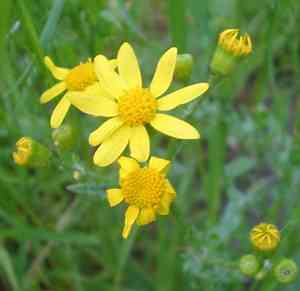
Senecio flaccidus, also known as Lambstongue ragwort, is recognized for its hardiness across diverse soil types.
2
The plant provides captivating aesthetic appeal because of its distinctive leaves.
3
Historically, Lambstongue ragwort has been employed in folk medicine for a range of therapeutic purposes.
Why Lambstongue Ragwort is a Garden Favorite
Versatility in Soil Types
A key attribute of Lambstongue ragwort is its capacity to flourish across diverse soil compositions. Whether your garden soil is sandy, loamy, or clay-rich, Lambstongue ragwort exhibits remarkable resilience. This adaptability reduces concerns about soil preparation, simplifying cultivation for both new and seasoned gardeners.
Aesthetic Appeal
Lambstongue ragwort is more than just a green plant; its distinctive foliage and form enhance the beauty of any garden. The vibrant leaves and unique plant shape make it a striking addition. Perfect for decorative gardens or as a singular focal point, Lambstongue ragwort boosts visual interest and garden variety.
Traditional Uses and Significance
Historical Importance
Lambstongue ragwort possesses a rich history in various traditional practices, especially in its native regions. Indigenous communities recognized its value and employed it in numerous ways. This historical respect highlights its enduring significance and offers modern gardeners a tangible connection to past customs.
Herbal Applications
While it's crucial to avoid making medical or drug-related claims in modern applications, Lambstongue ragwort holds a reputation in folklore for certain beneficial uses. It is always advisable to consult with knowledgeable herbalists or botanical experts when exploring these traditional uses.
Cultivating and Caring for Lambstongue Ragwort
Planting Guidelines
To successfully grow Lambstongue ragwort, begin by selecting a site that provides partial to full sun exposure. It's best to plant during late spring or early summer once the soil has adequately warmed. Ensure the planting area has good drainage to prevent waterlogging, which can hinder growth.
Maintenance Routines
Lambstongue ragwort requires relatively little upkeep, making it an excellent choice for gardeners seeking effortless care. Consistent watering during dry periods, along with occasional pruning to maintain its shape and remove dead foliage, will keep Lambstongue ragwort healthy and vibrant. Mulching around the base helps retain moisture and regulate soil temperature.
Common Questions About Lambstongue Ragwort
Can Lambstongue ragwort be grown indoors?
Lambstongue ragwort thrives best in natural outdoor settings but can be cultivated indoors with sufficient sunlight and well-drained soil. Replicating its outdoor conditions as closely as possible will yield superior results.
Is Lambstongue ragwort suitable for container planting?
Absolutely! Lambstongue ragwort adapts well to container cultivation. Select a pot with good drainage, use a quality potting mix, and place your container in a location that receives ample sunlight. Regular watering is essential for success in containers.



